Rome

Rome, the capital of Italy and heart of the Lazio region, is often called the Eternal City and is famous for its seven hills and rich mix of ancient history and modern life. Founded by Romulus around 753 BC, Rome has been a center for empire, religion, and art for nearly three millennia.
Trip from Vernazza
Tues, Sept 16
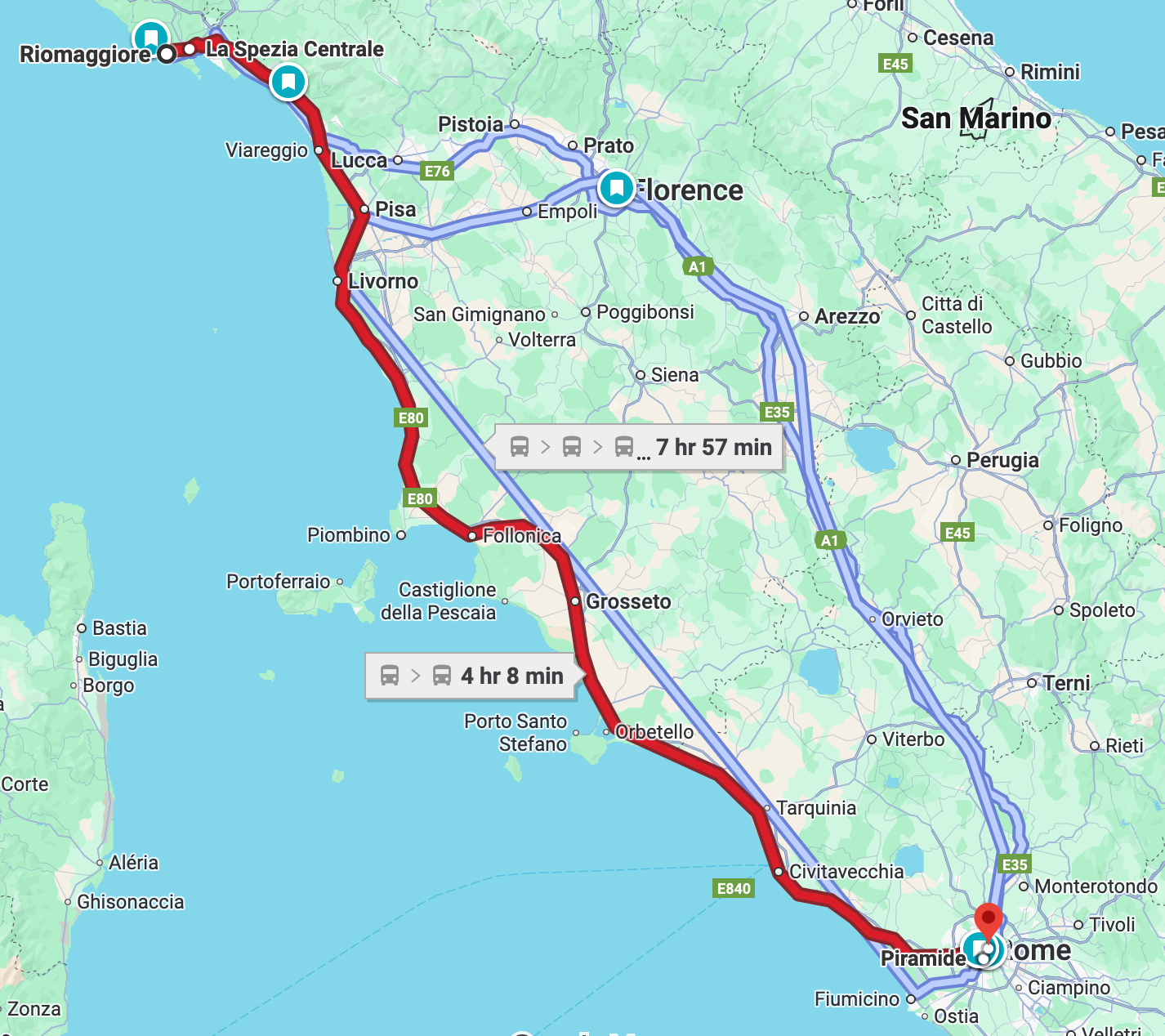
The 4 hour train from Riomaggiore hugged the coast at times, with ocean waves crashing on the rocks and hotels perched above the sea. Inside the train was crowded and noisy, with several people on phone calls, even one on speaker phone unnecessarily.
People say American tourists are the loud ones, but in our experience Italians are much louder, with plenty of smoke and body odor mixed in. Germans too.
The ride took about five hours with many stops, but it was a good chance to slow down, sit still, and waste some time on the phone. Near Rome we passed the cruise terminal, where five or more ships were lined up.
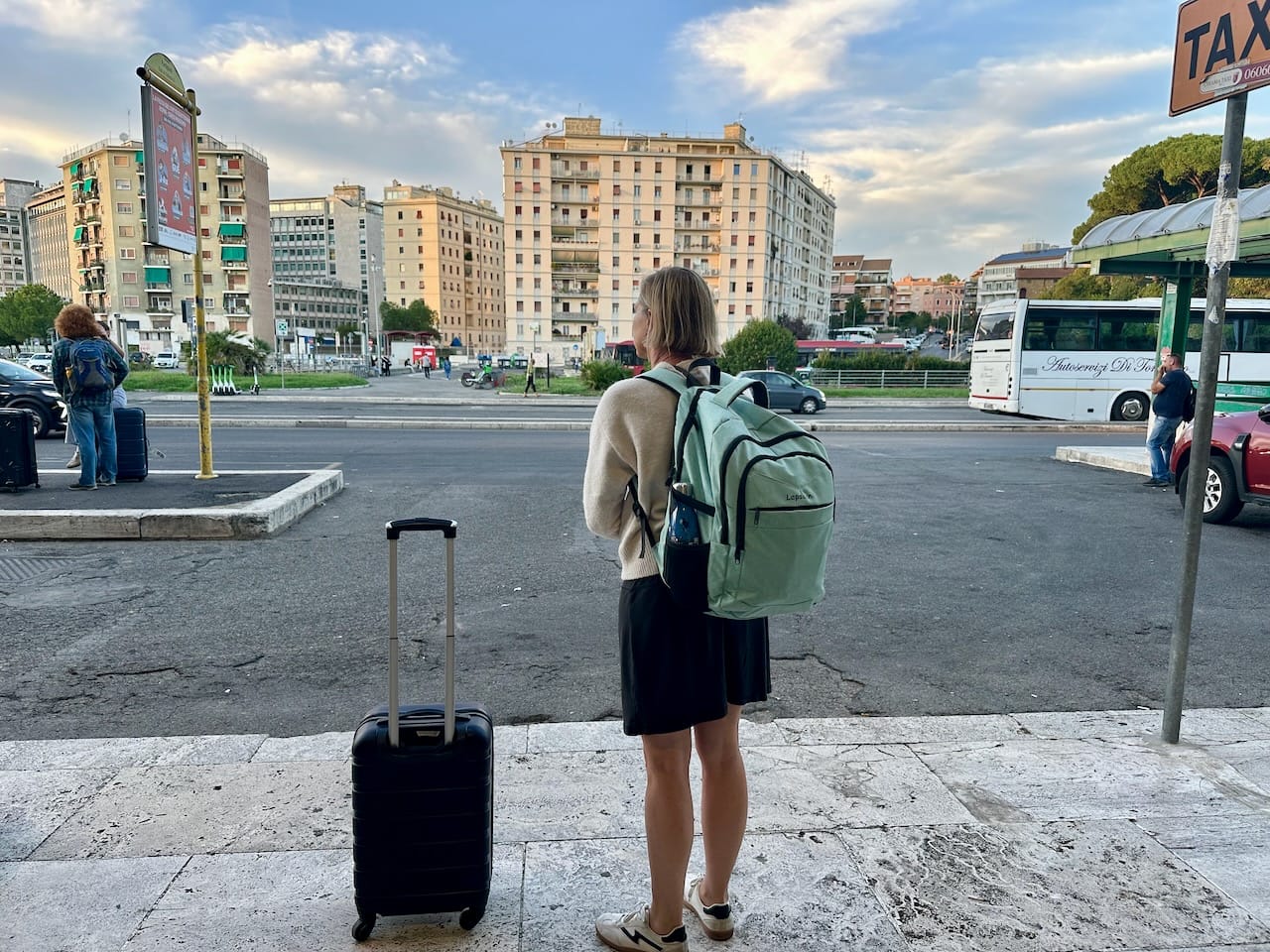
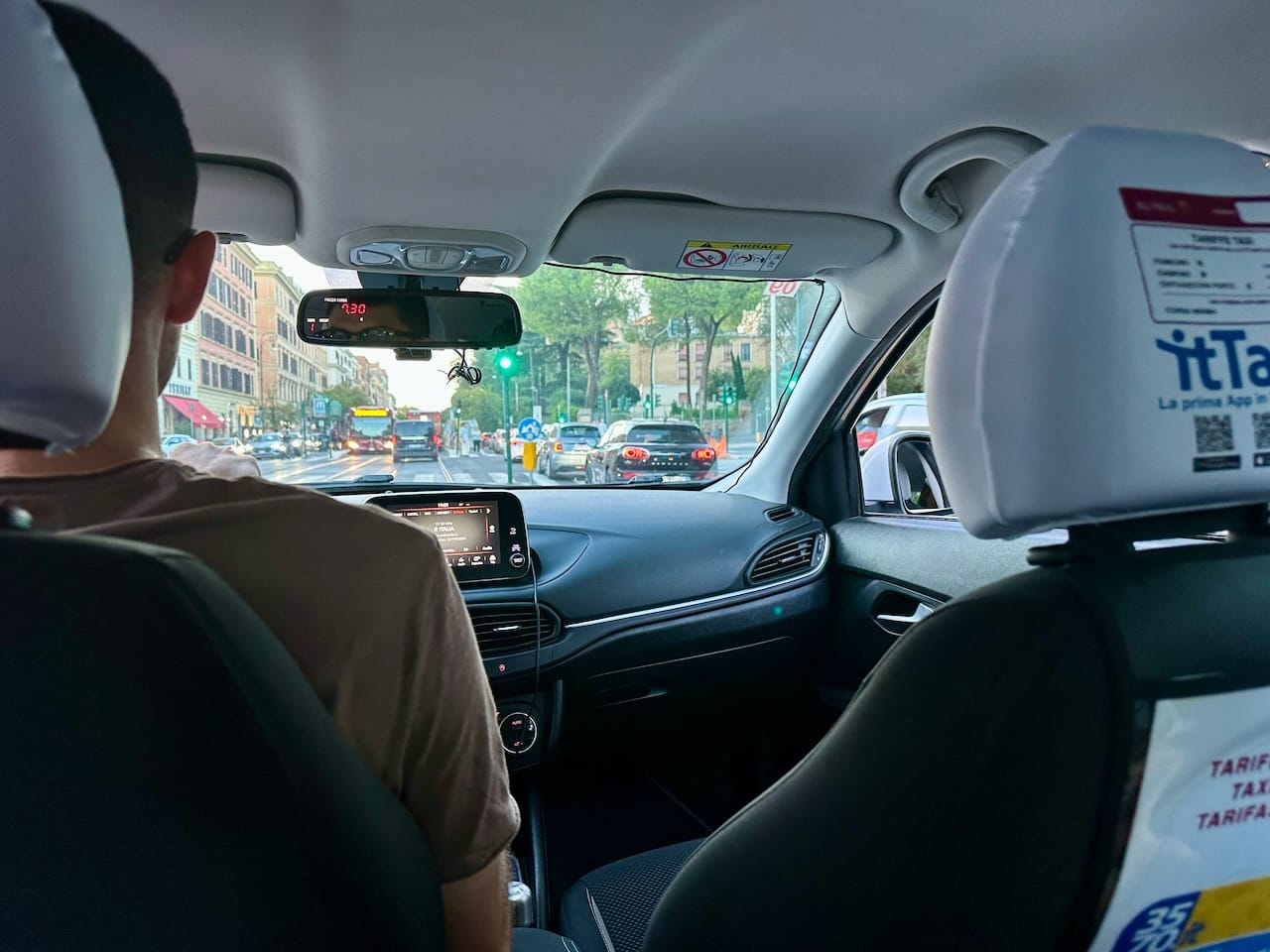
We took an exciting taxi ride from the terminal to our lodging. Lots of weaving, darting and aggressive driving. But wow, this is the best room and location so far! Kelley really picked a good one. We're right in the middle of everything.
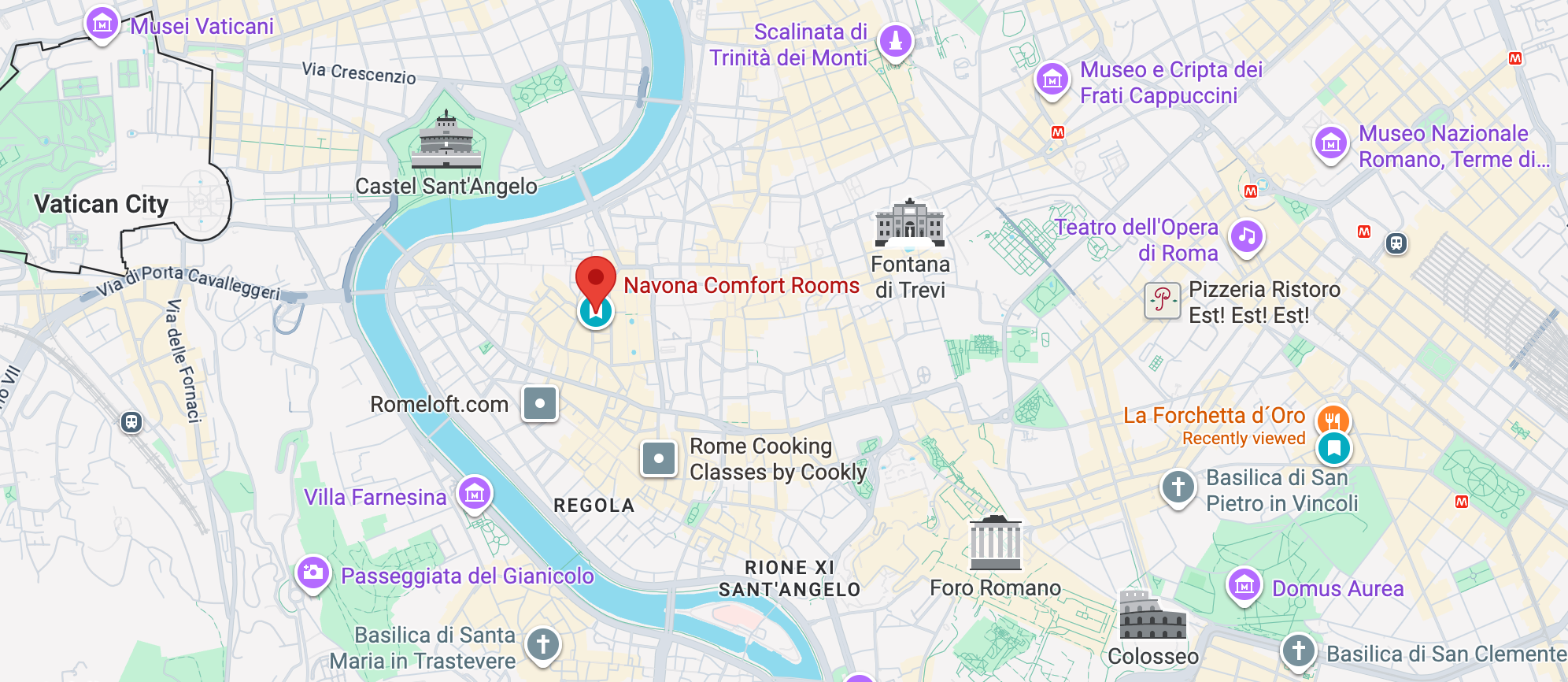
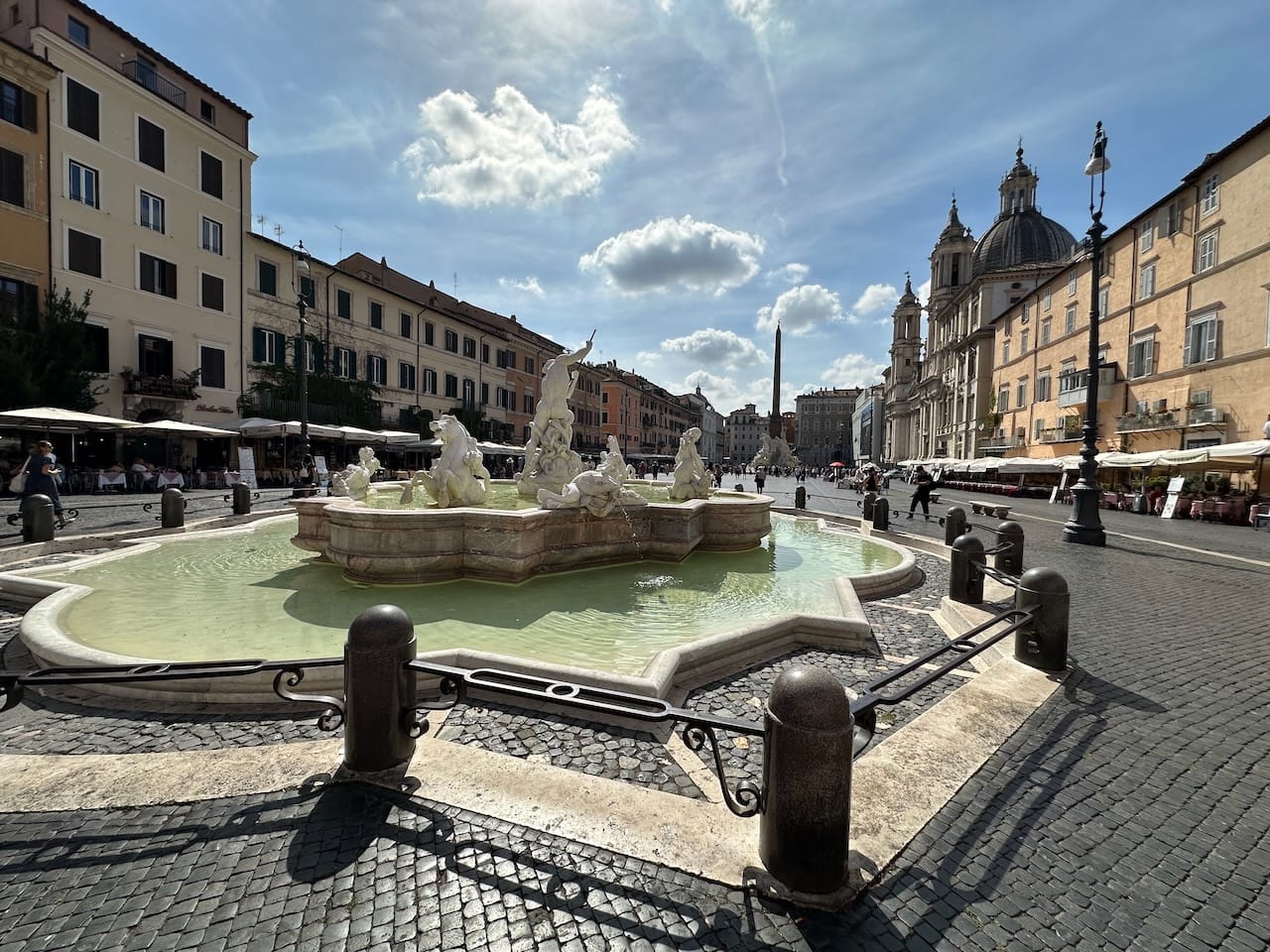
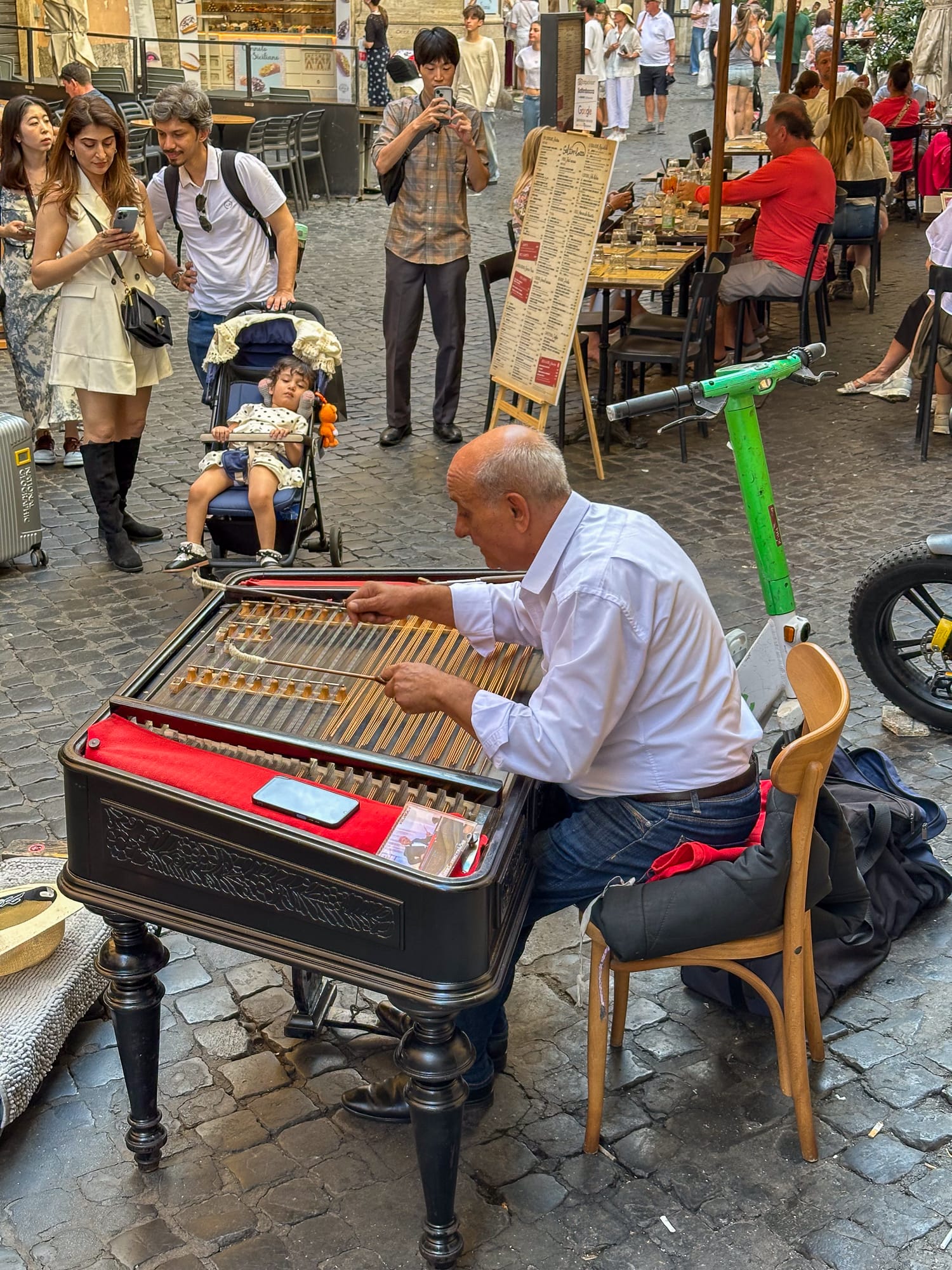
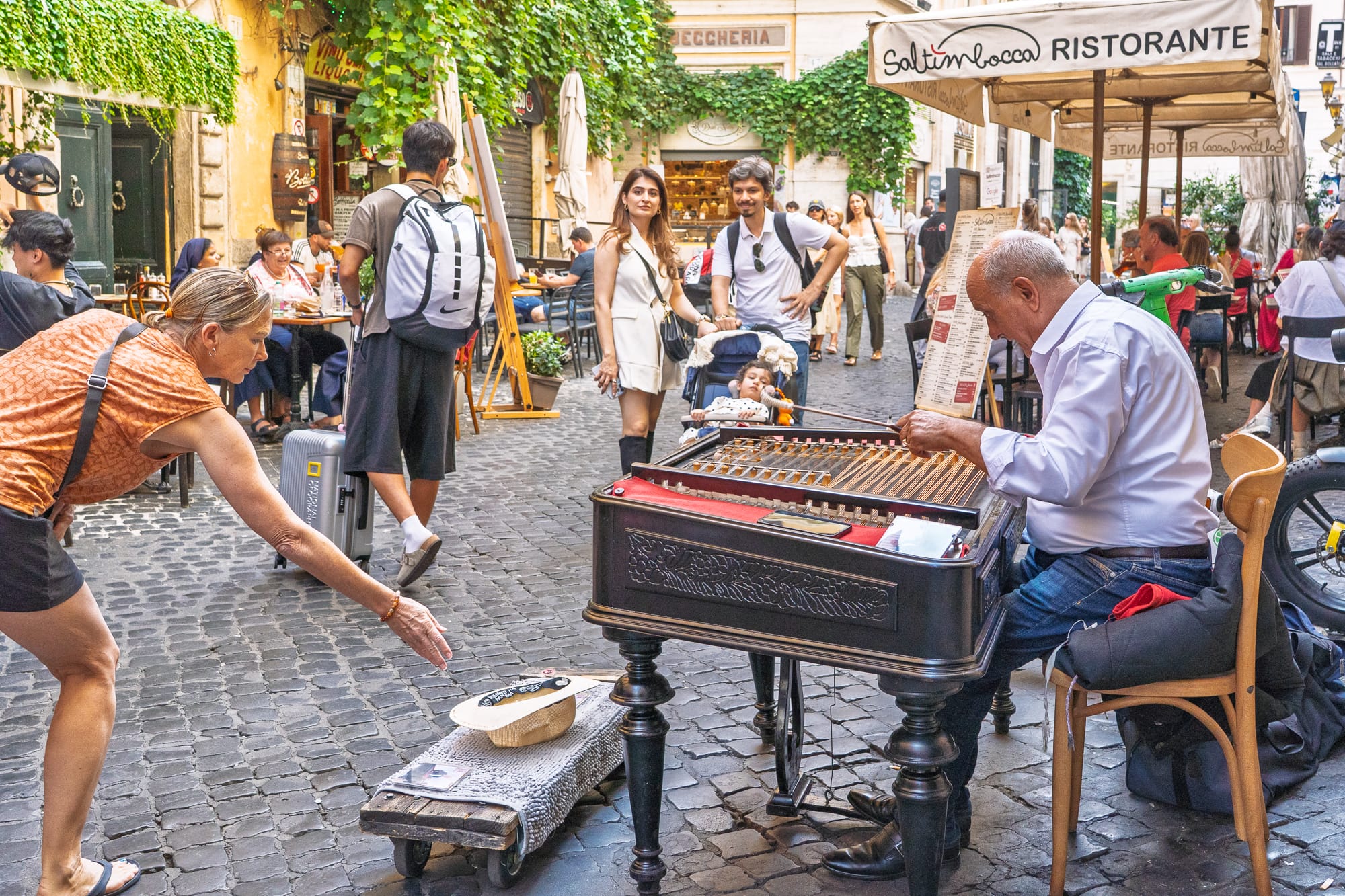
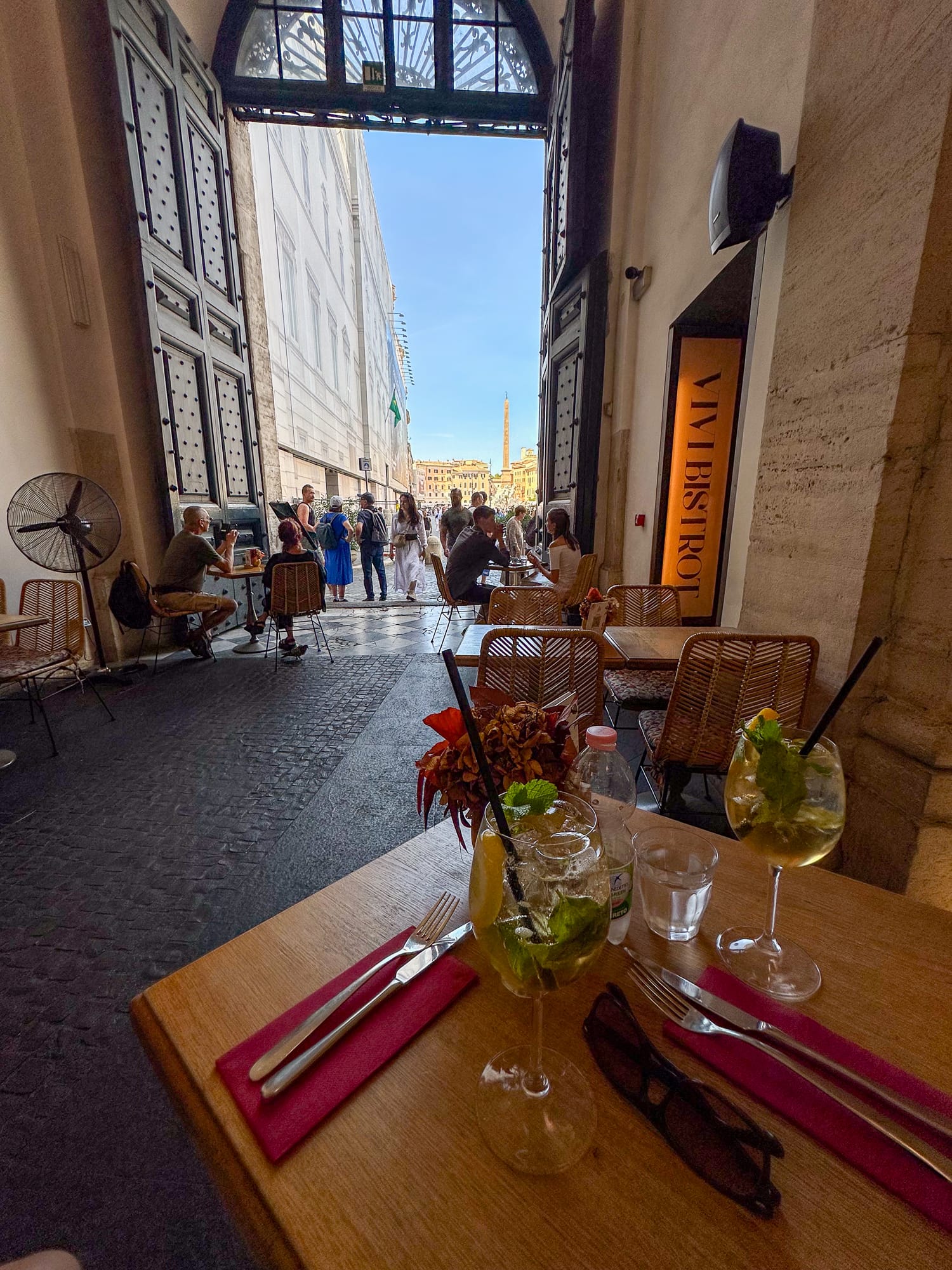
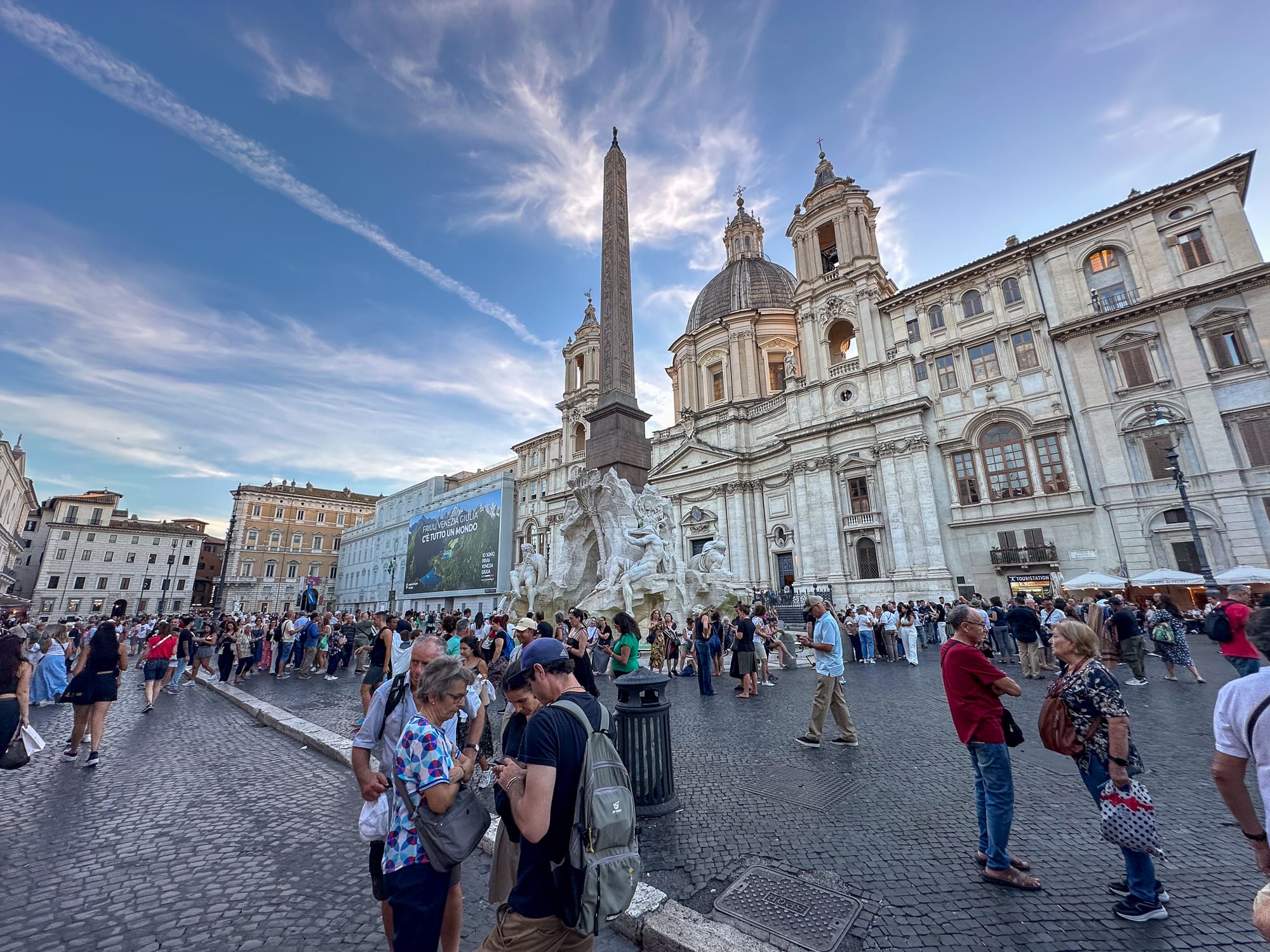
We walked to the nearby Piazza Navona and listened to an older gentleman playing a hammered dulcimer(?). It was lovely and he was just doing it for the fun and the applause, which he really seemed to enjoy.
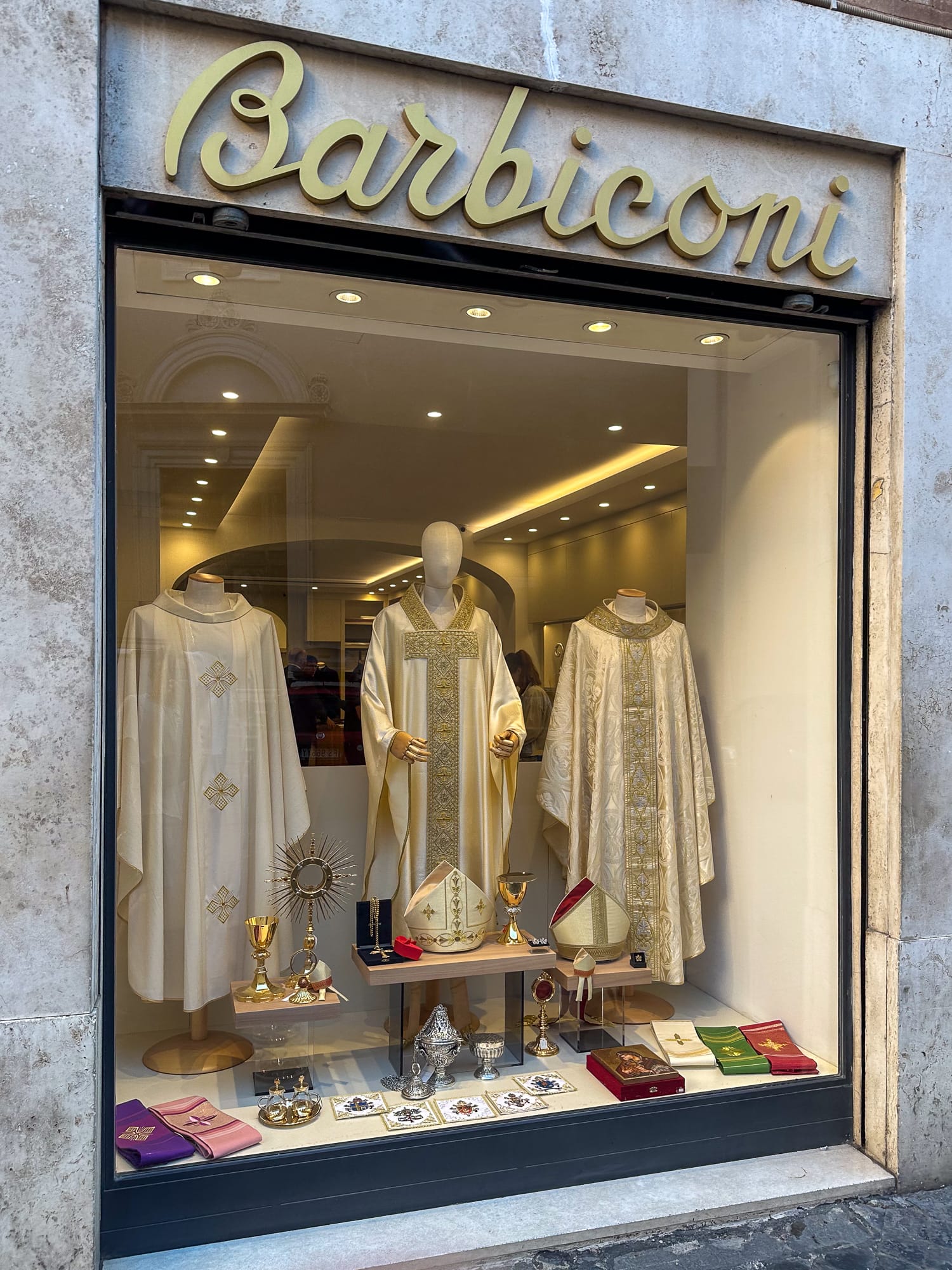
As we continued to walk past the dozens of restaurants along the street, we saw SO many Catholic priests... taking videos, eating dinner, chatting with neighbors. It was interesting!
At dinner we met a super nice American couple from Peru. They are missionaries and have been living there for 21 years. Vann and Vanessa. Lovely folks.
 Petra Ministries

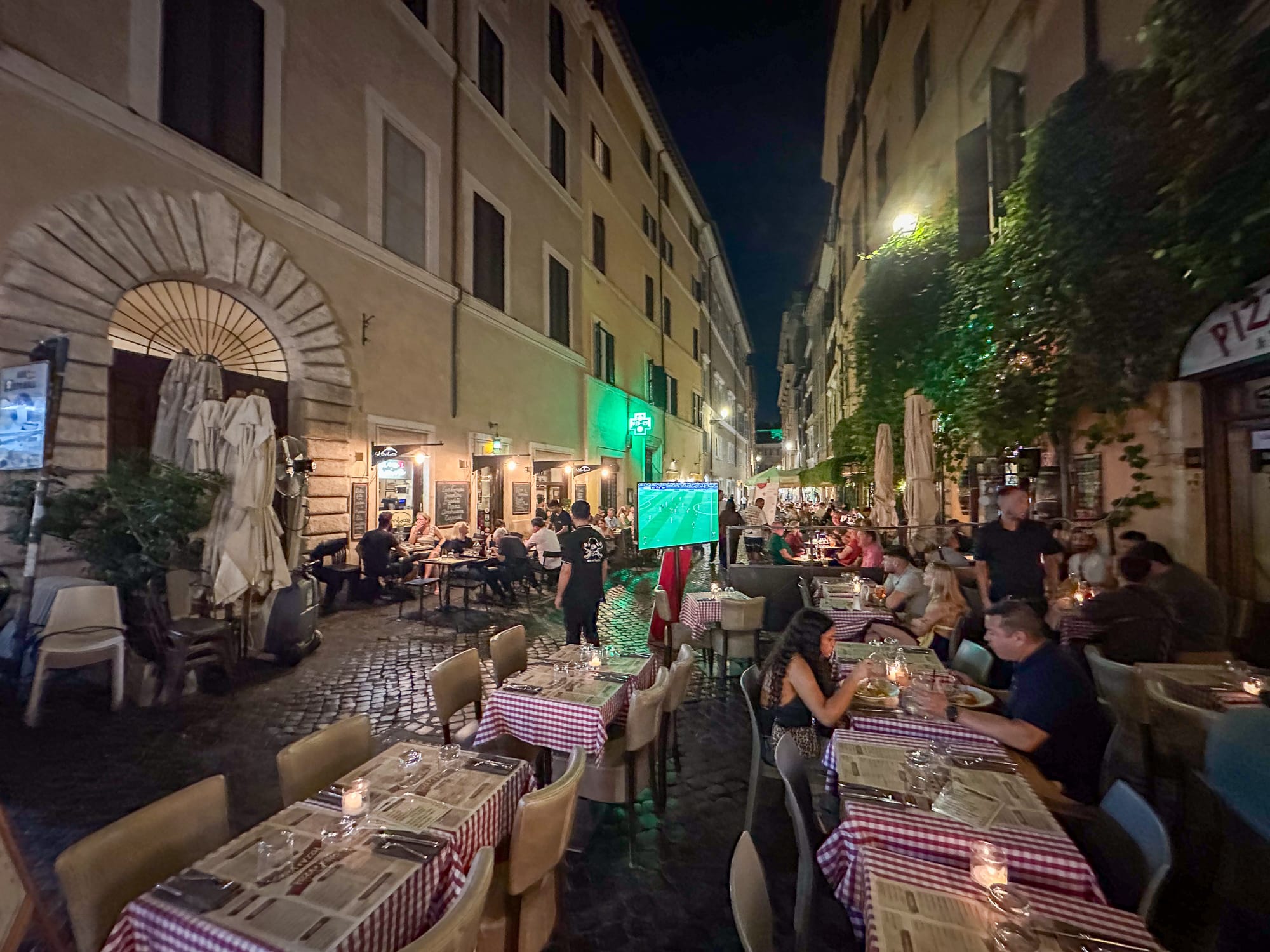
Our room overlooks a lively row of restaurants, it has a very energetic vibe!
Colosseum
Wed, Sept 17
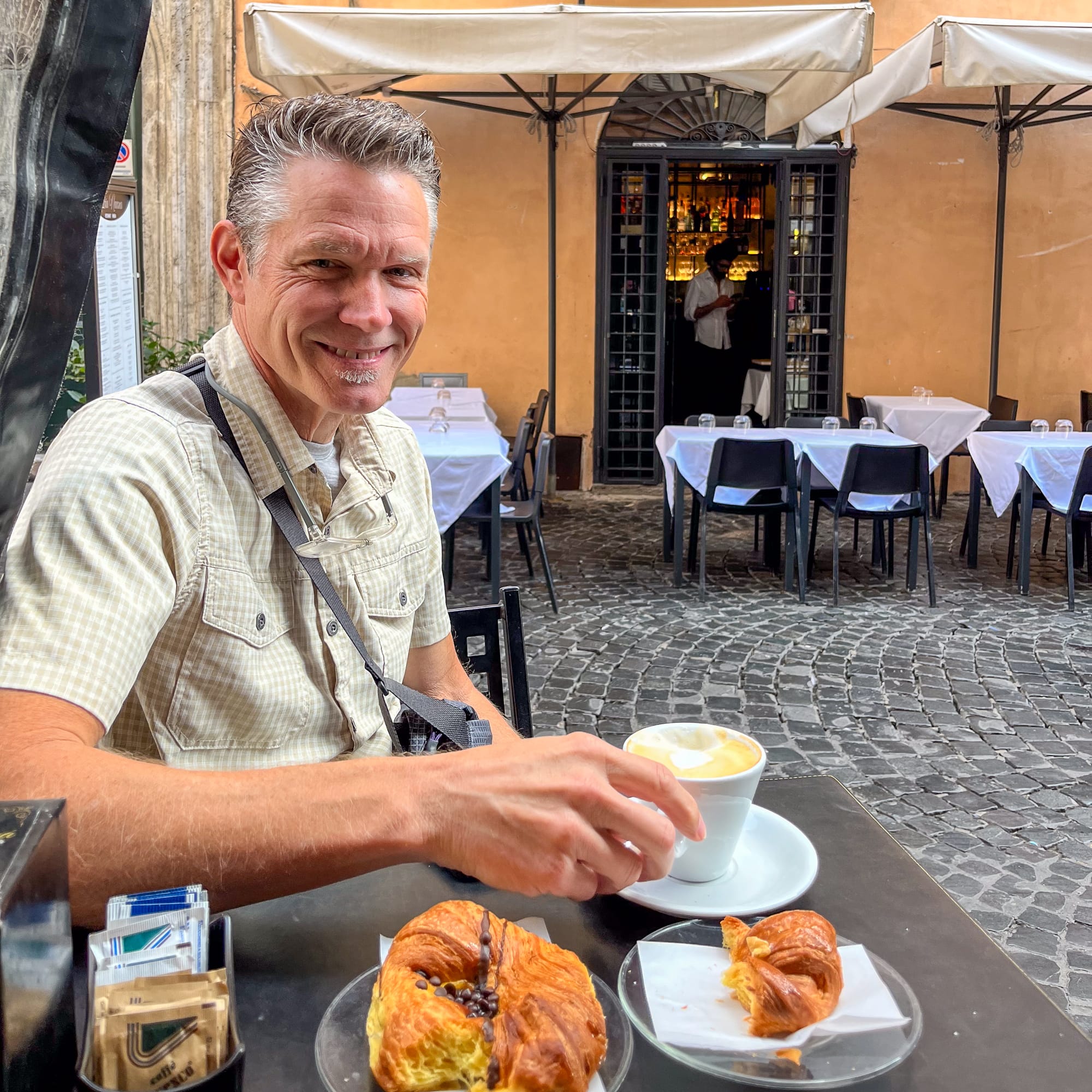
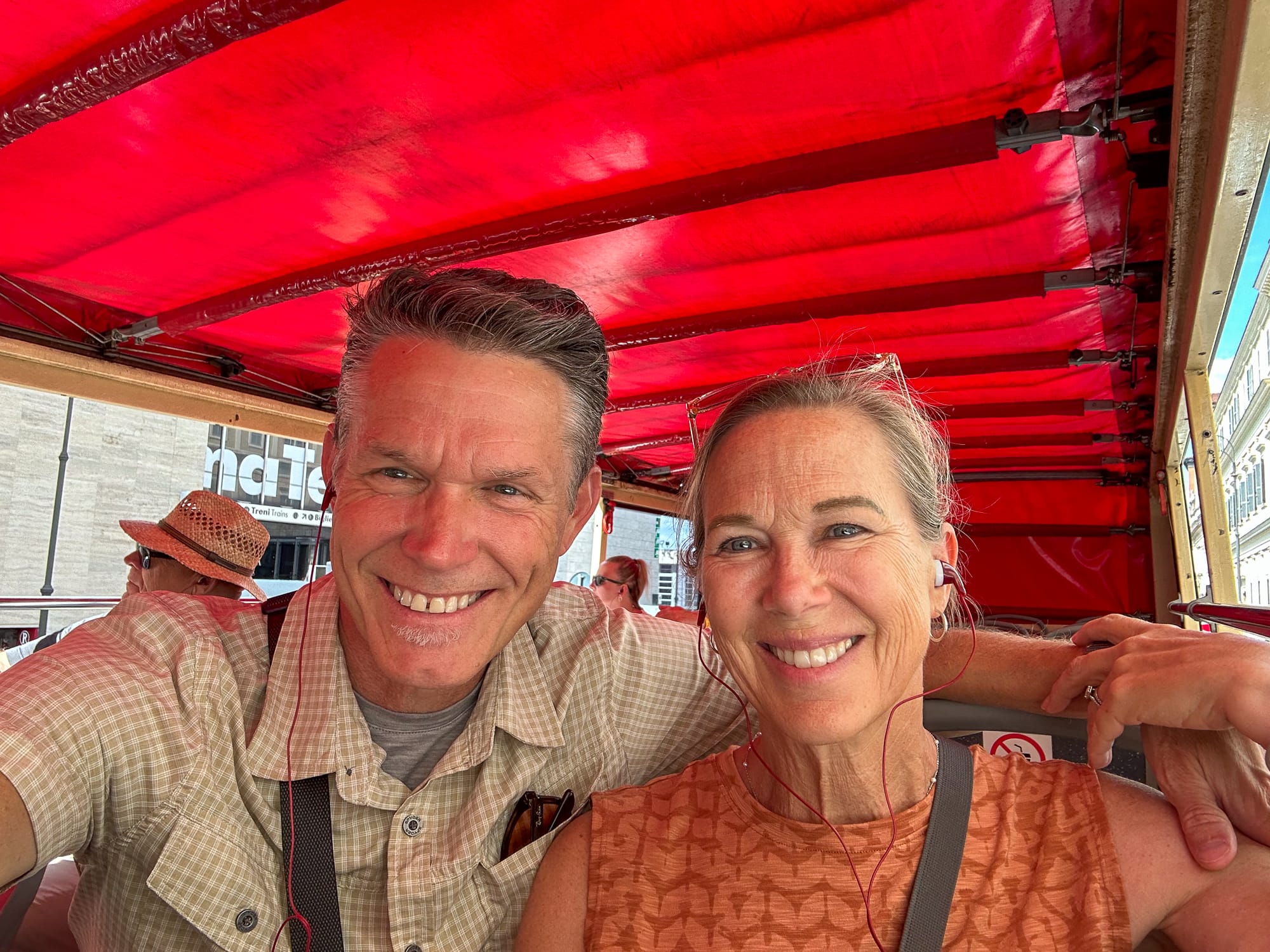
Quick breakfast & listened to the dulcimer player again, then we walked about 30 minutes to get on a hop-on/hop-off bus to make a 2 hour loop around the city. It was a good overview , but the temp today was near 90, so it warm at times.
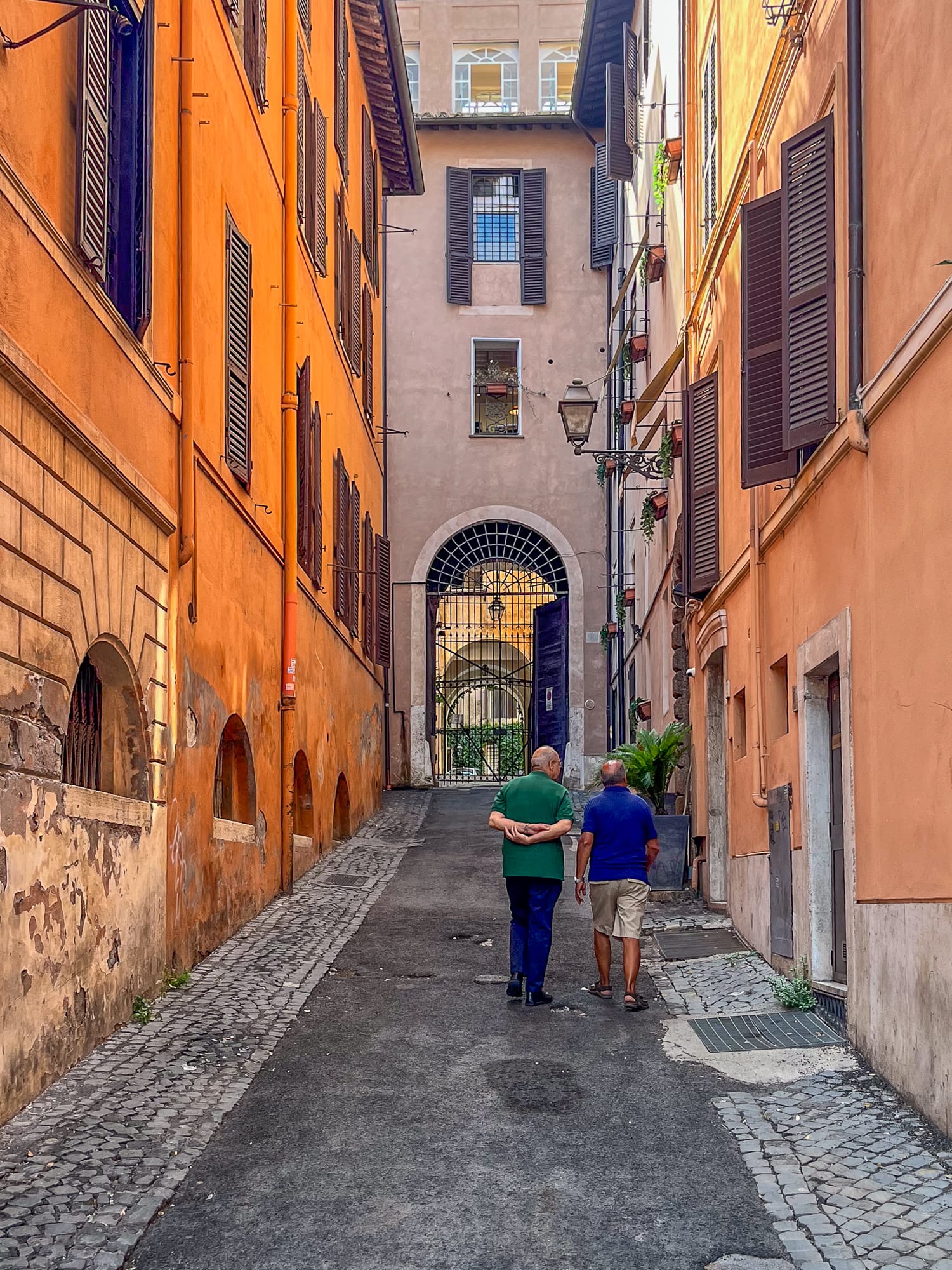
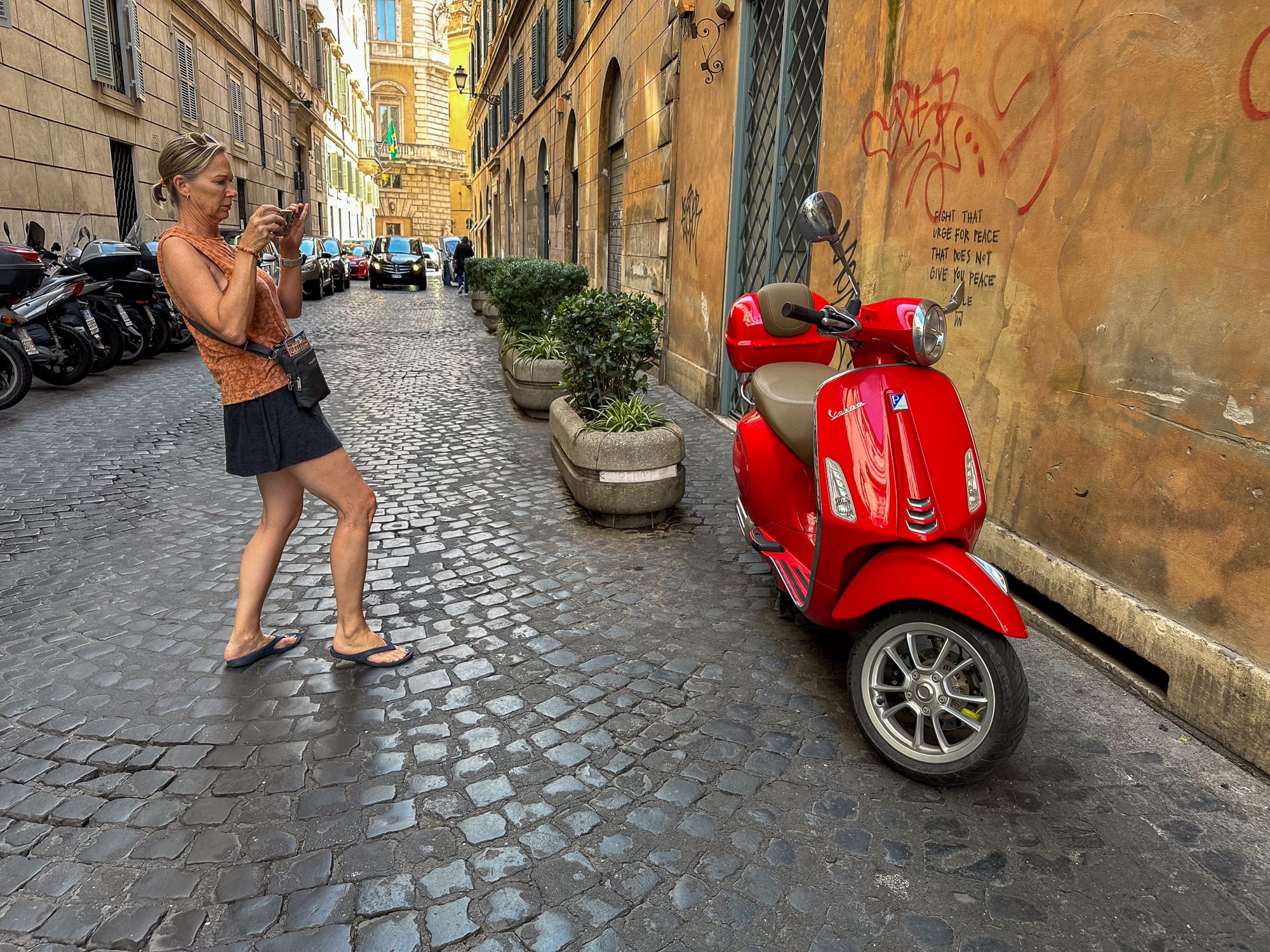
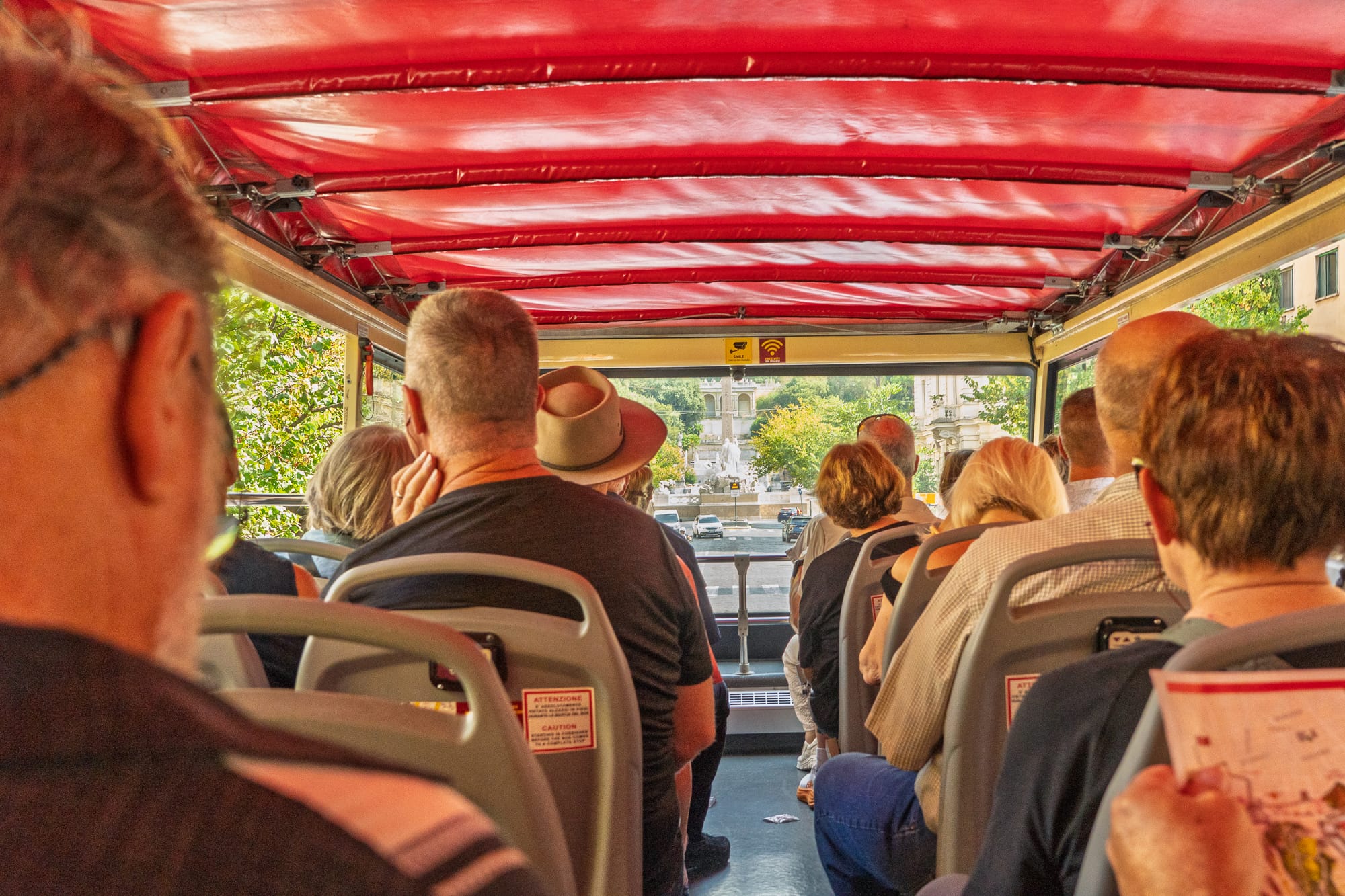
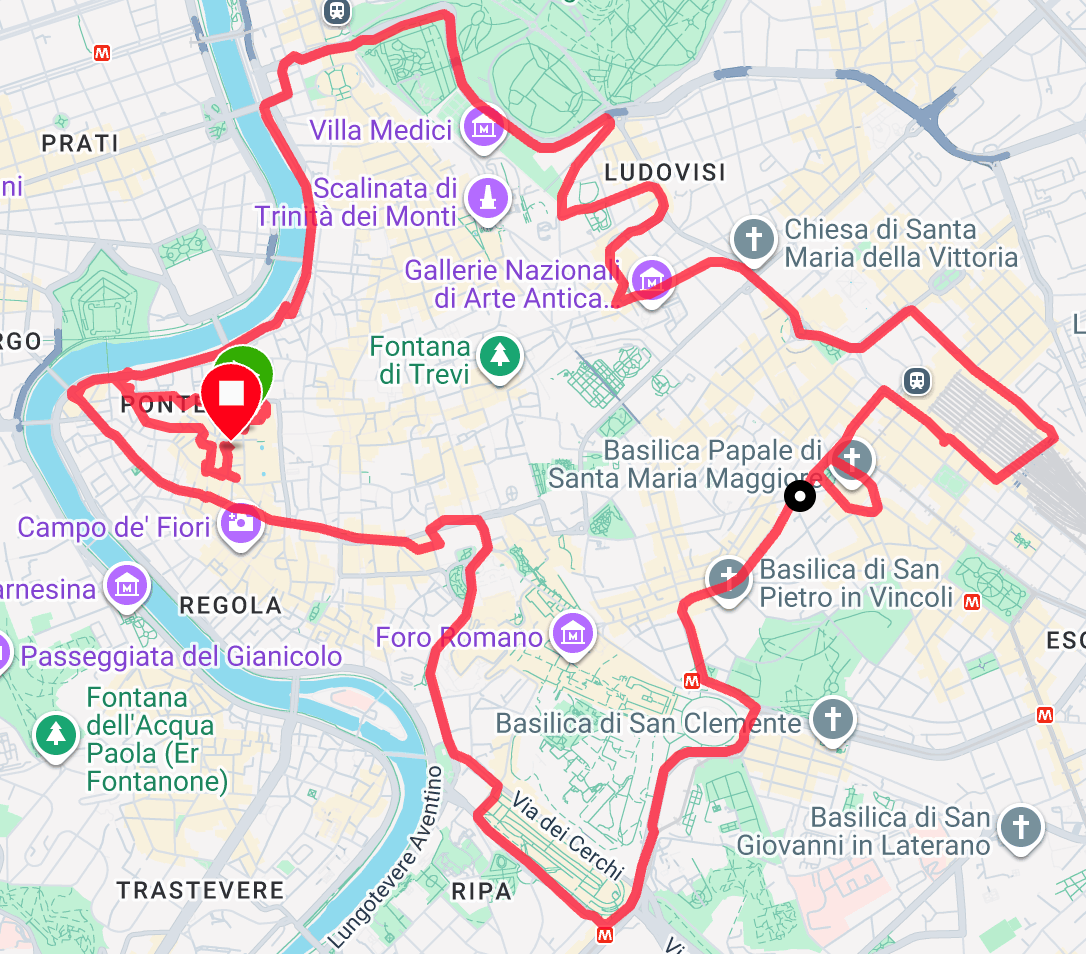
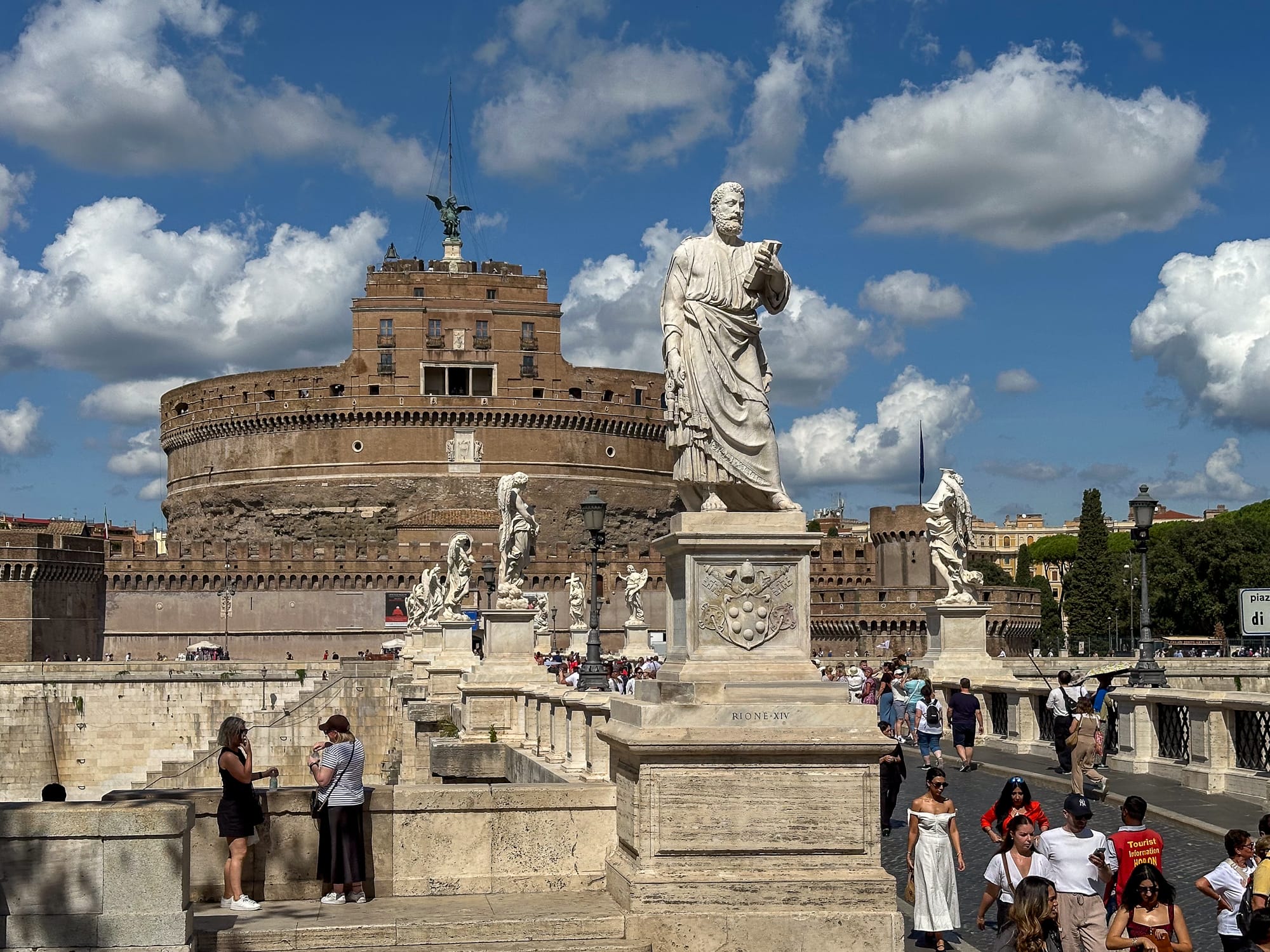
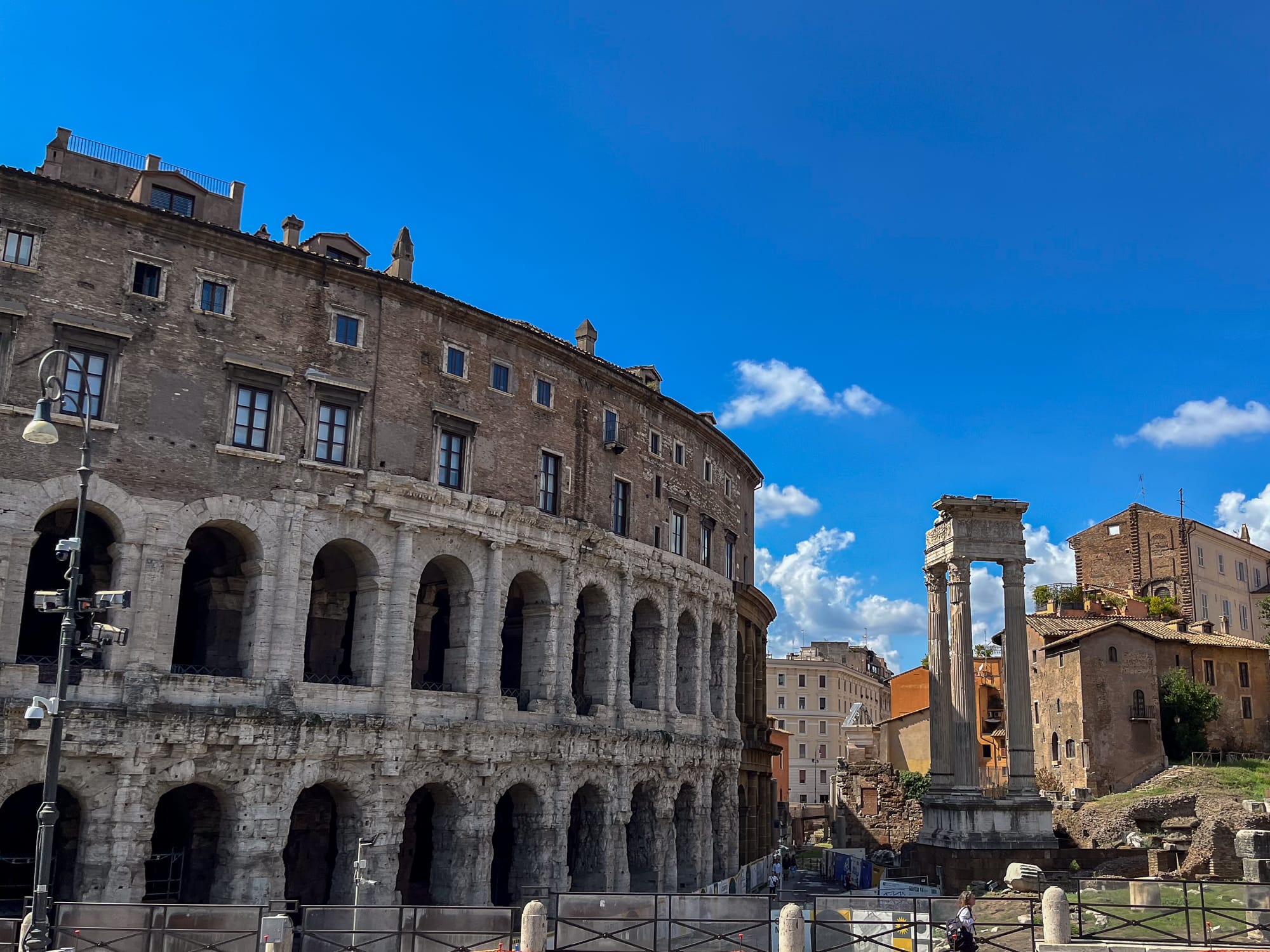
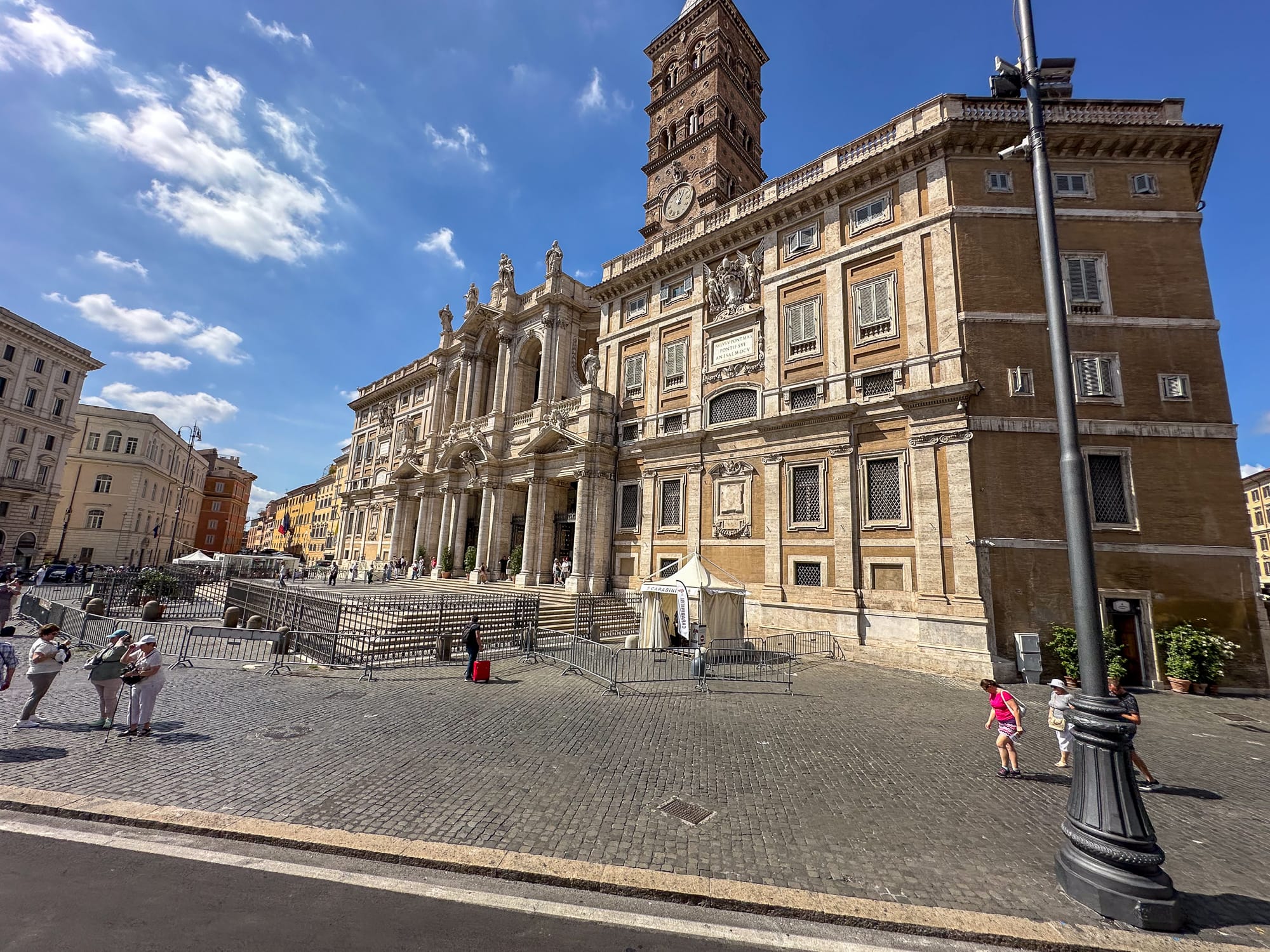
There are so many ancient things here. After the bus tour, we grabbed a light lunch overlooking Navona Plaza then walked to the Colosseum (3o mins) for a 5pm entry.
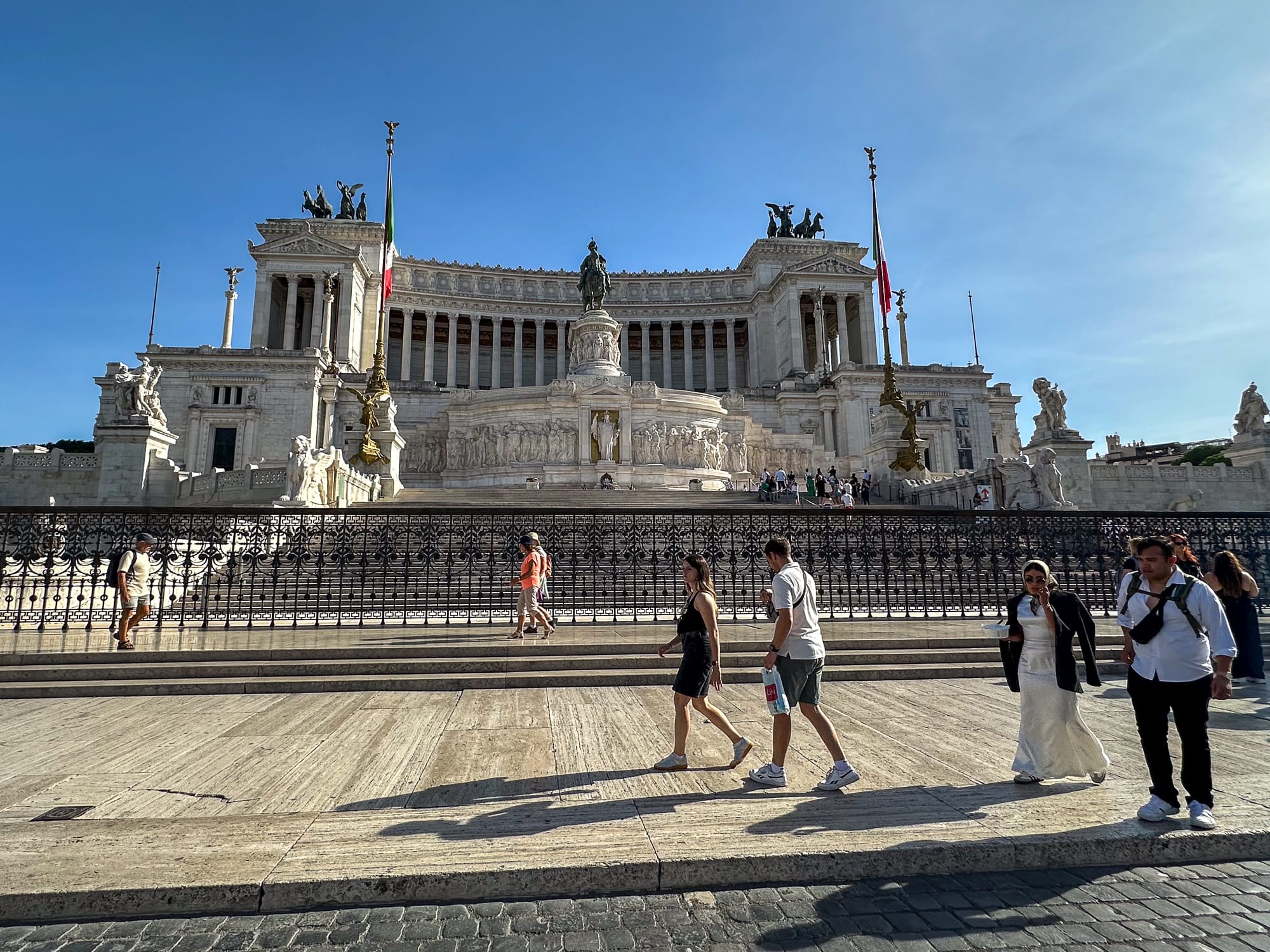
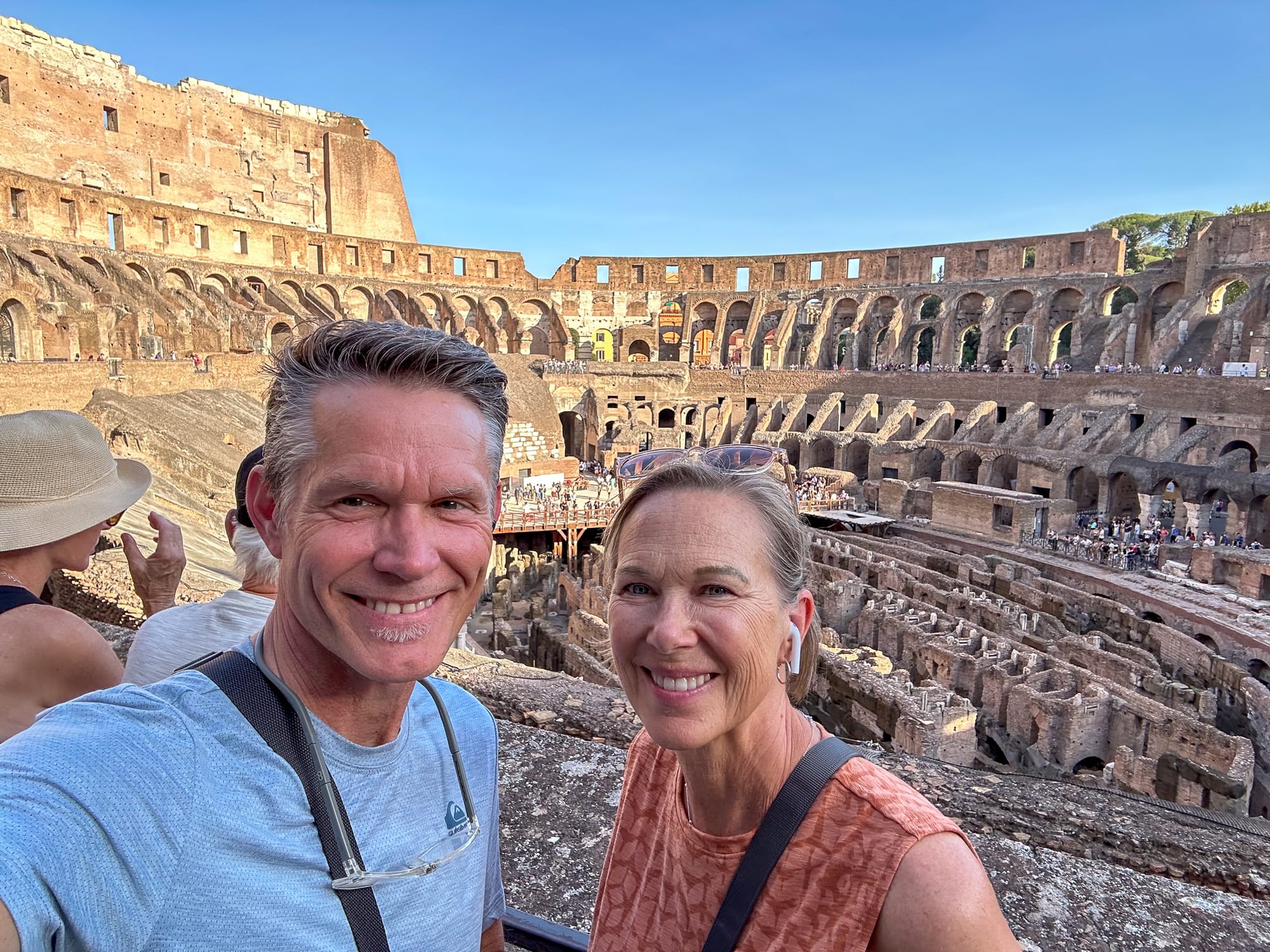
First impressions of the Colosseum... it is big. Of course, you know it's gonna be big, but it feels much larger than I expected.
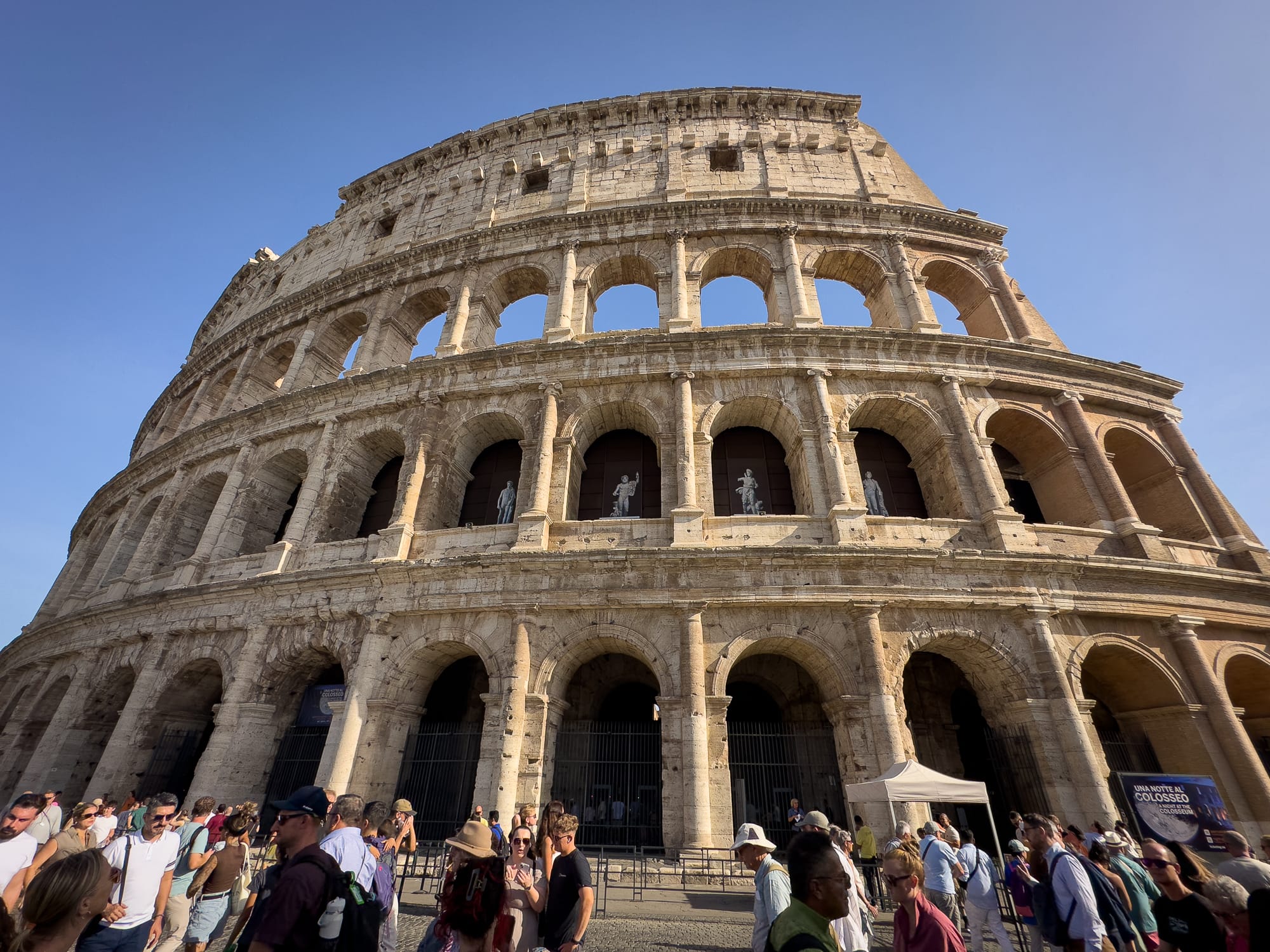
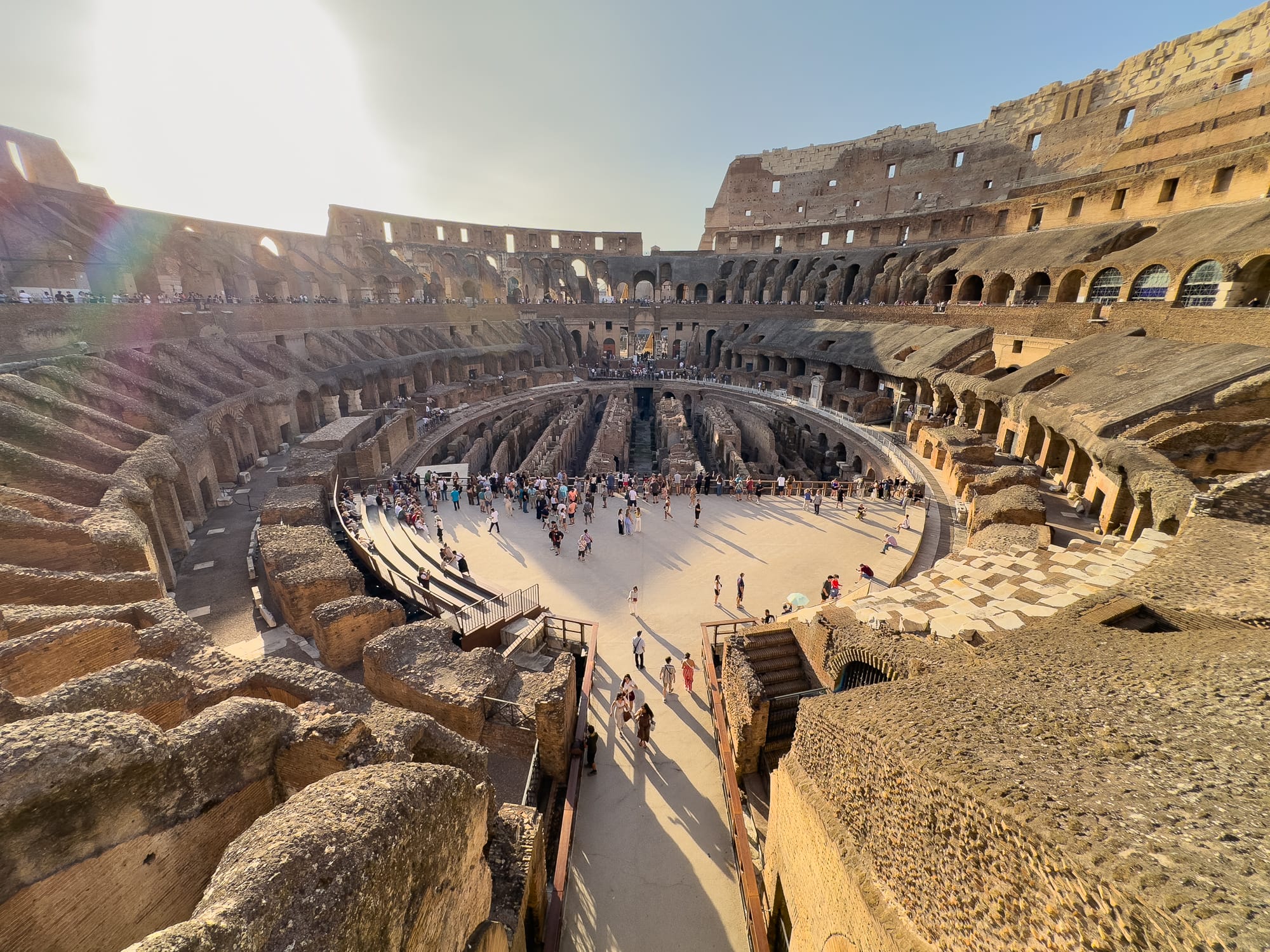
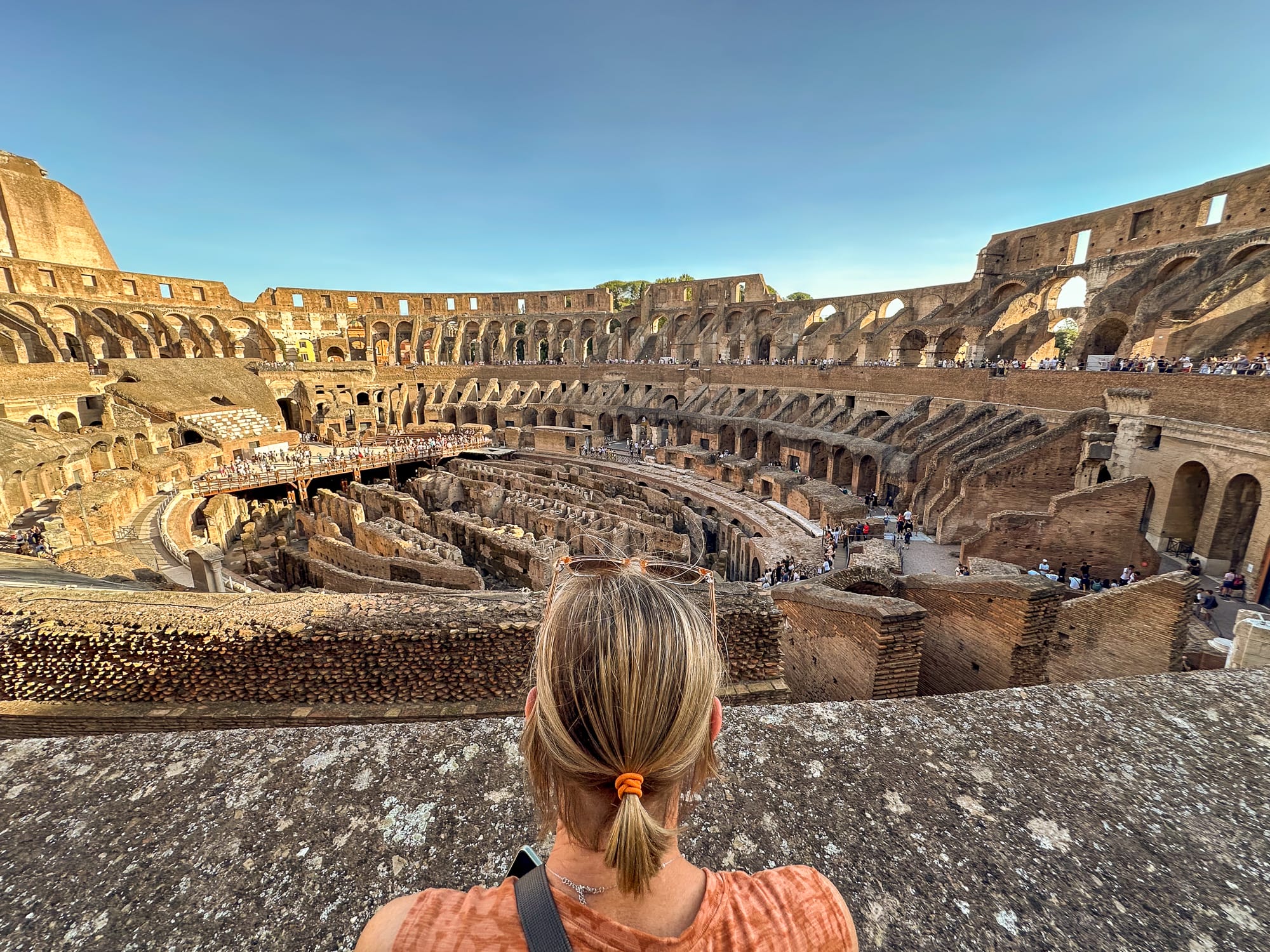
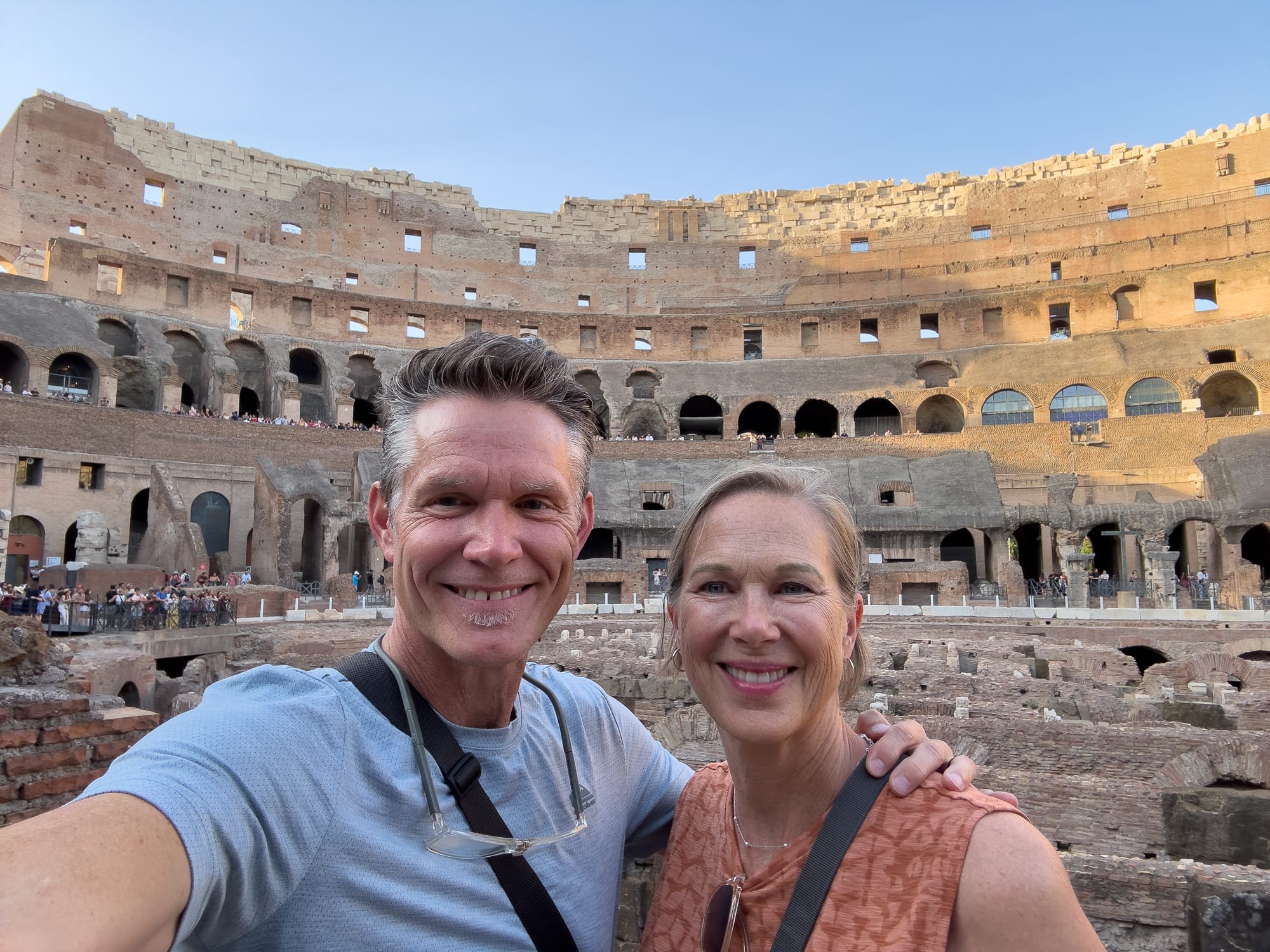
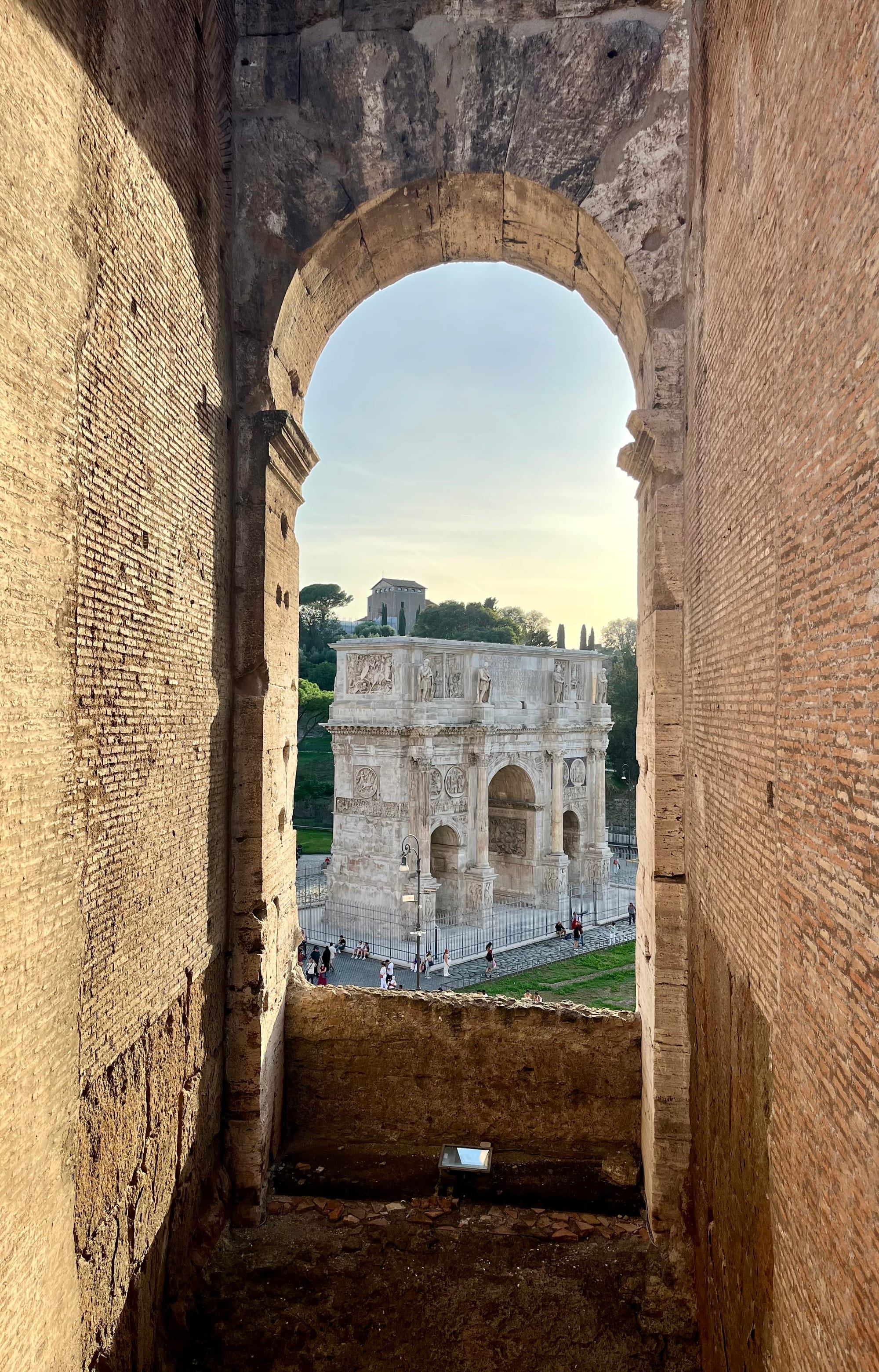
The Colosseum, built between 72–80 AD under emperors Vespasian and Titus, is the largest ancient amphitheater ever constructed, holding up to 50-70,000 spectators (with free admission). Its site was chosen to replace Nero’s former palace lake, symbolizing a return of public space to the people. The arena hosted bloody gladiator battles, wild animal hunts, and mock naval battles for Roman entertainment, with as many as (wild estimates) 400,000 people and 1 million animals believed to have died here over centuries.
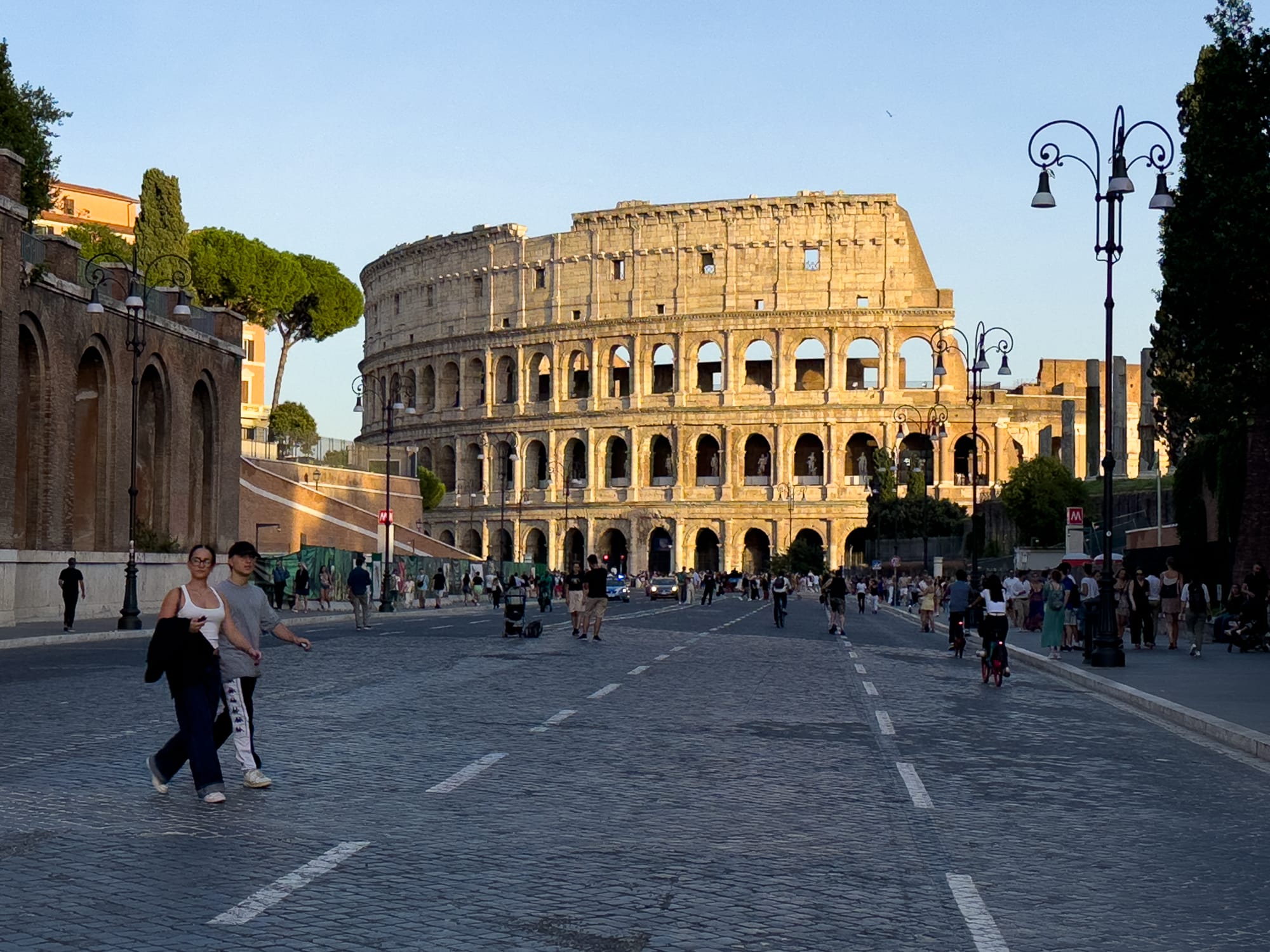
Headed back towards lodging shortly before sunset, but stopped to look at more ruins along the way.
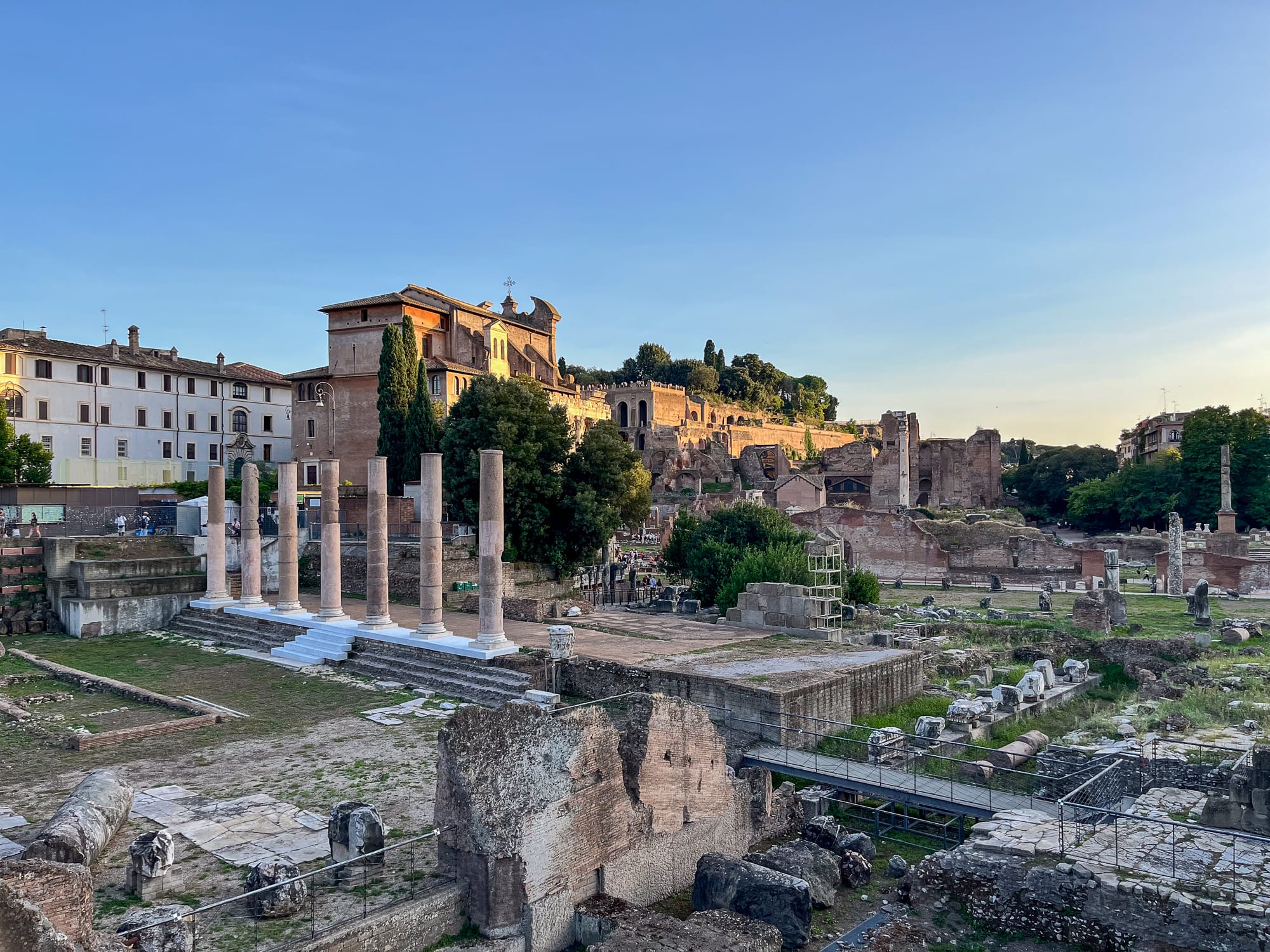
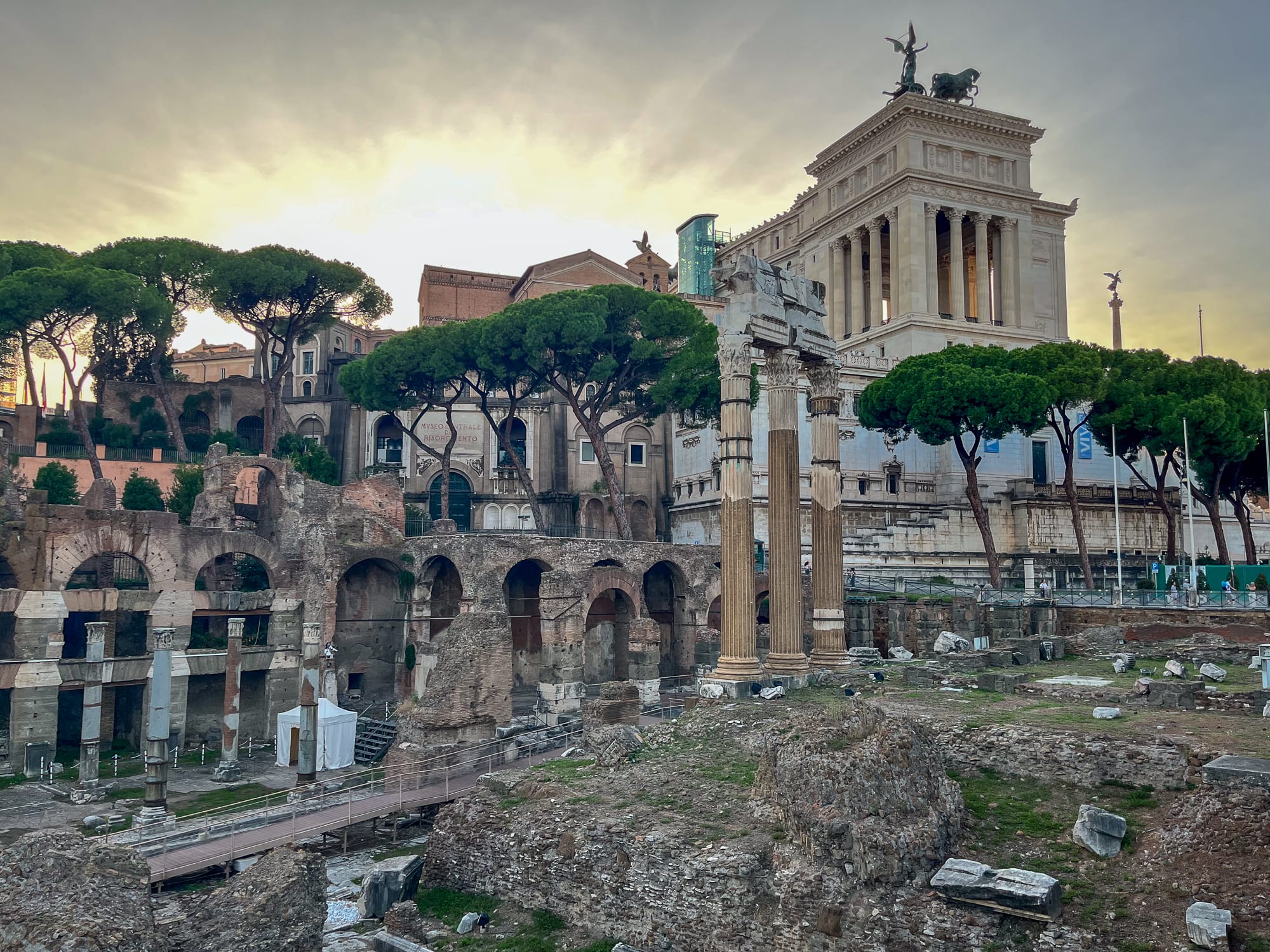
Grabbed some breakfast yogurt in a grocery store along the walk and across the street was the Theatre of Pompey. This is where Julius Caesar was assassinated!
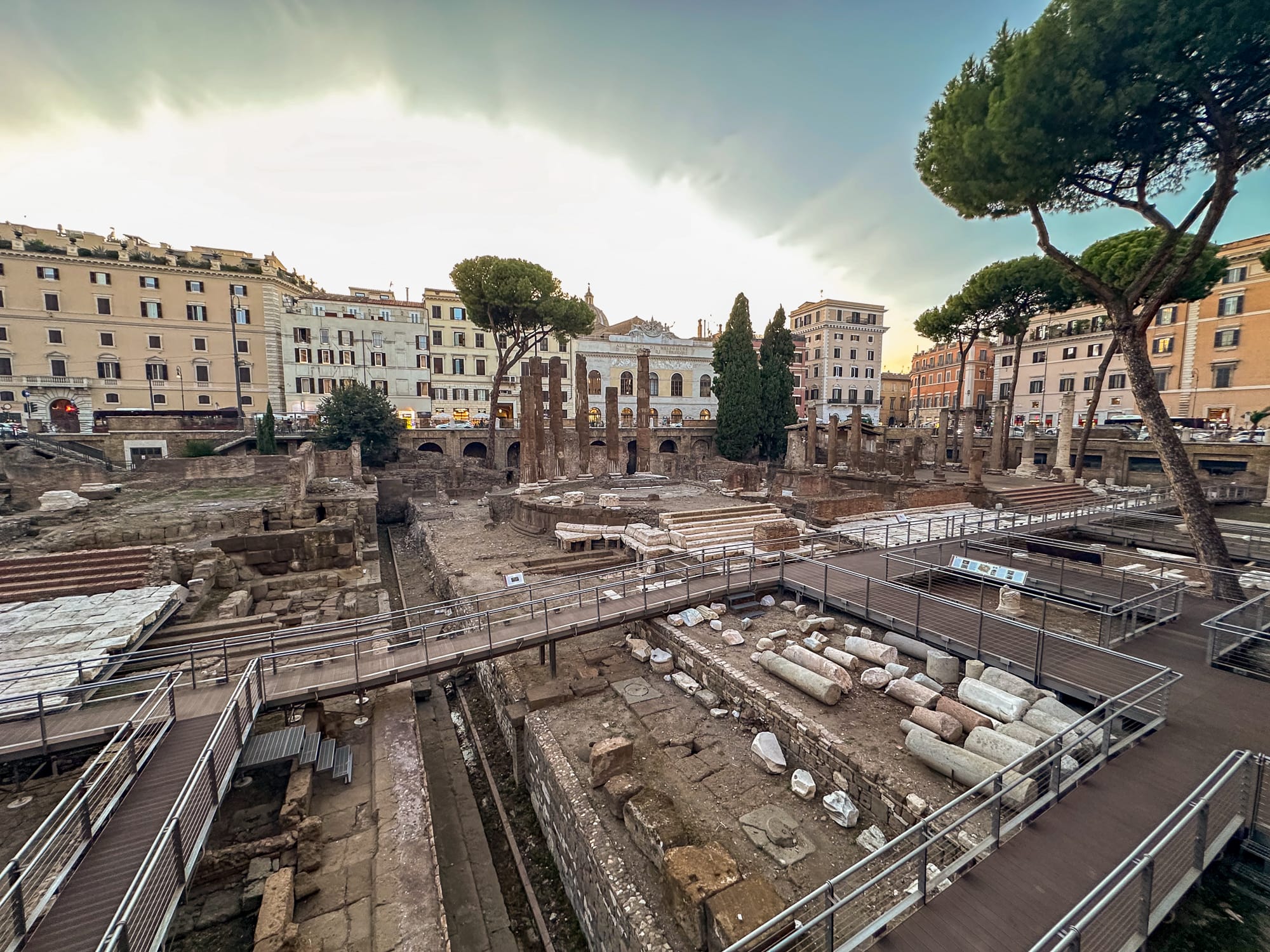
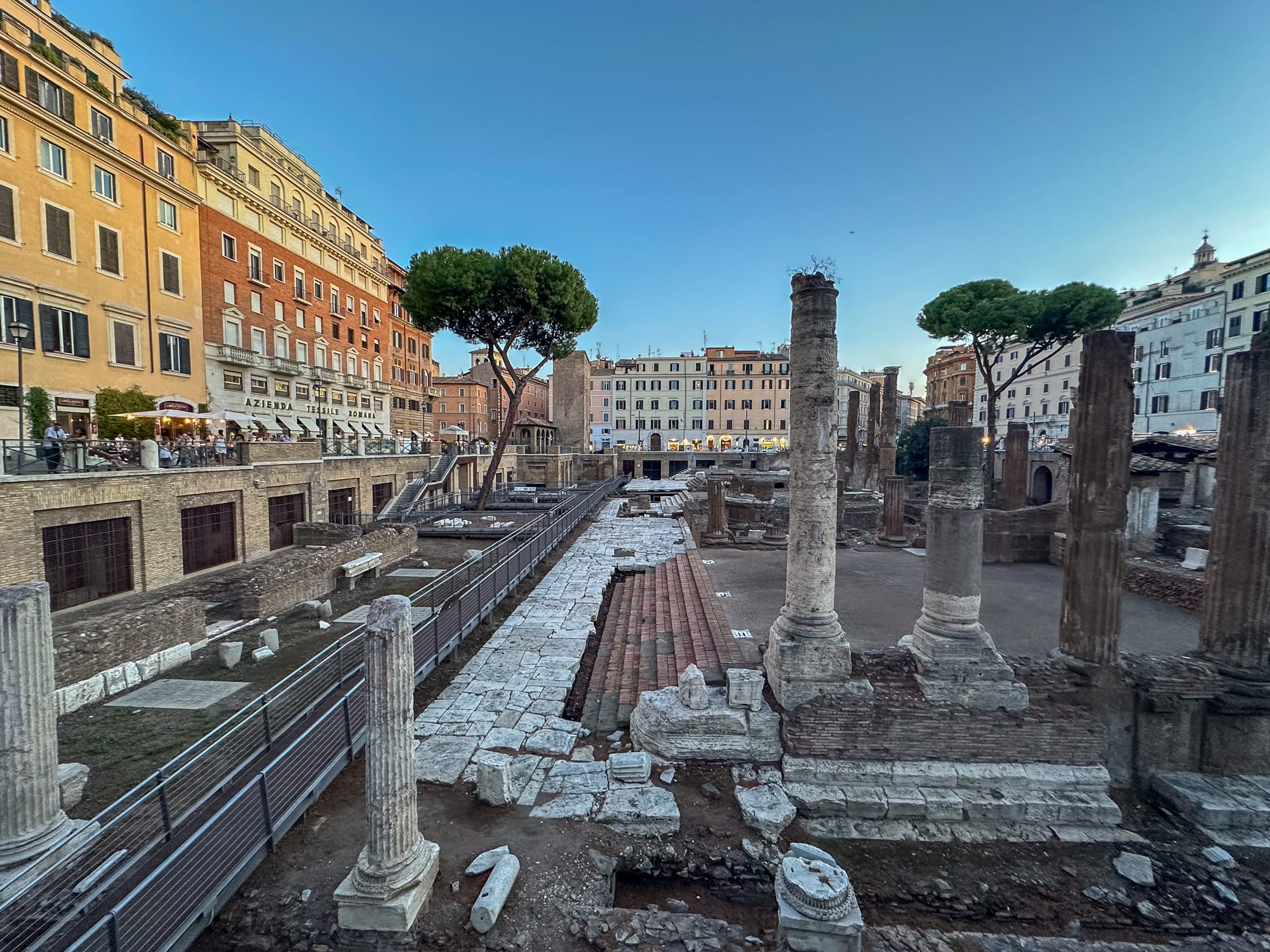
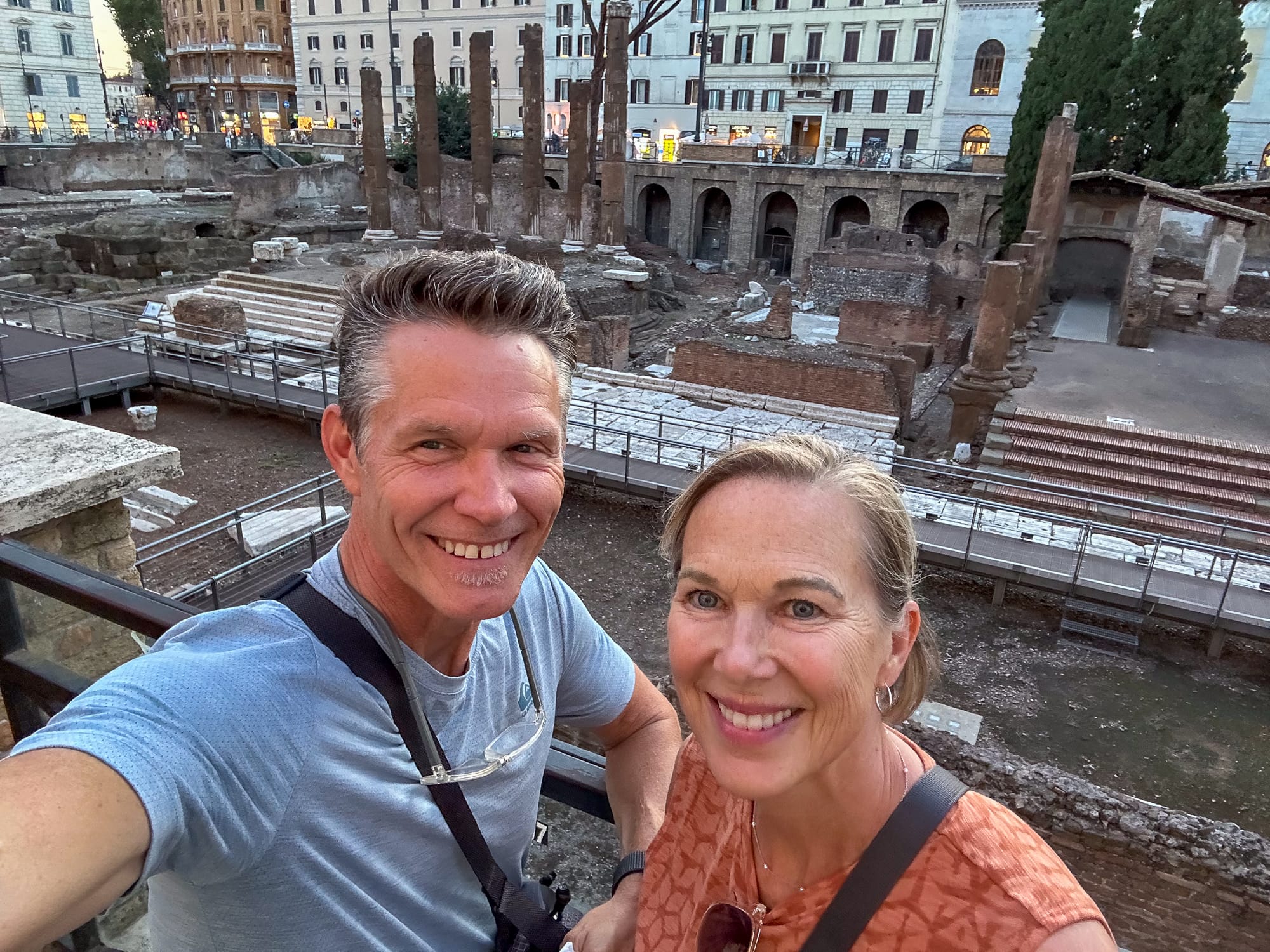
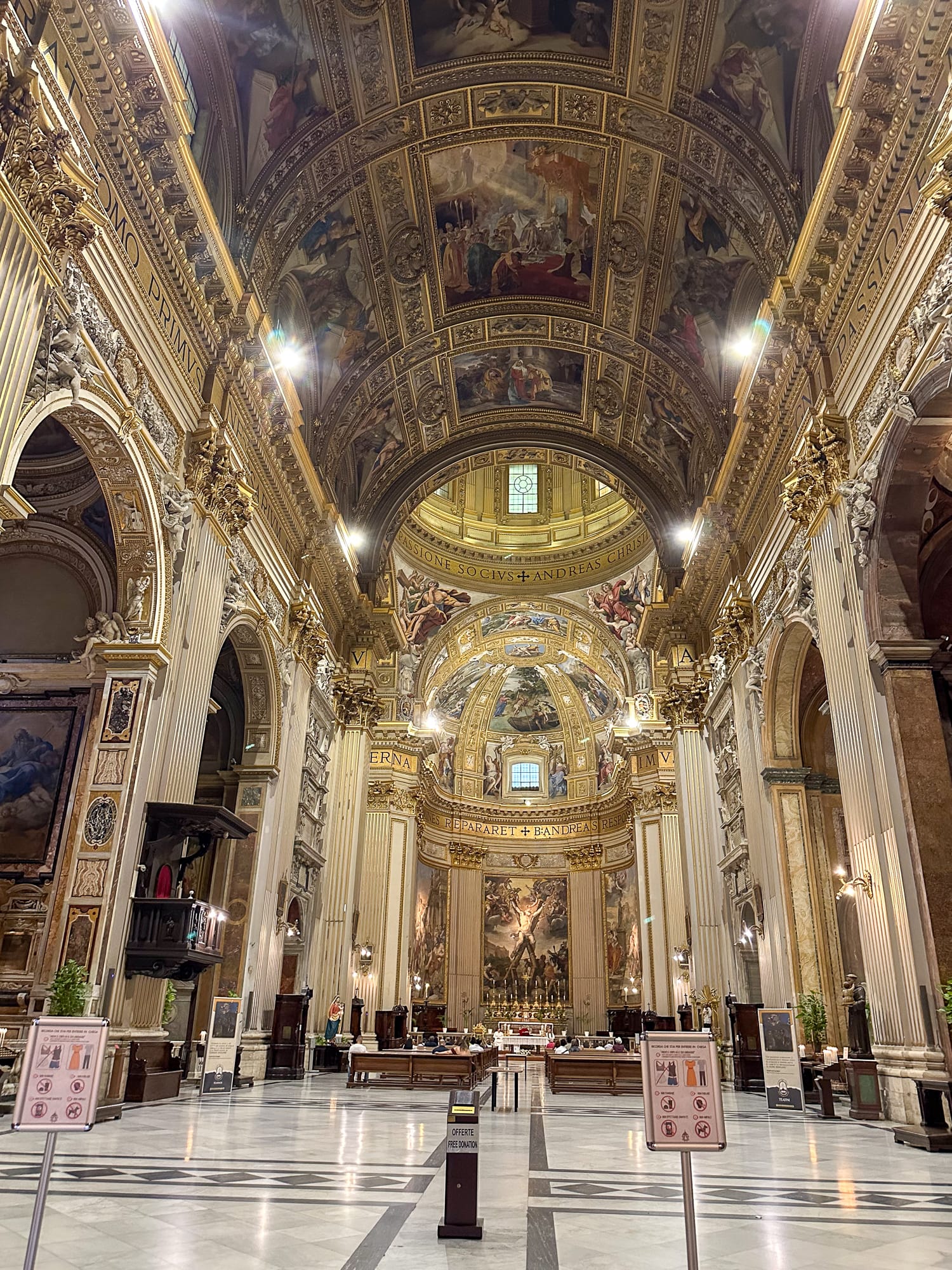
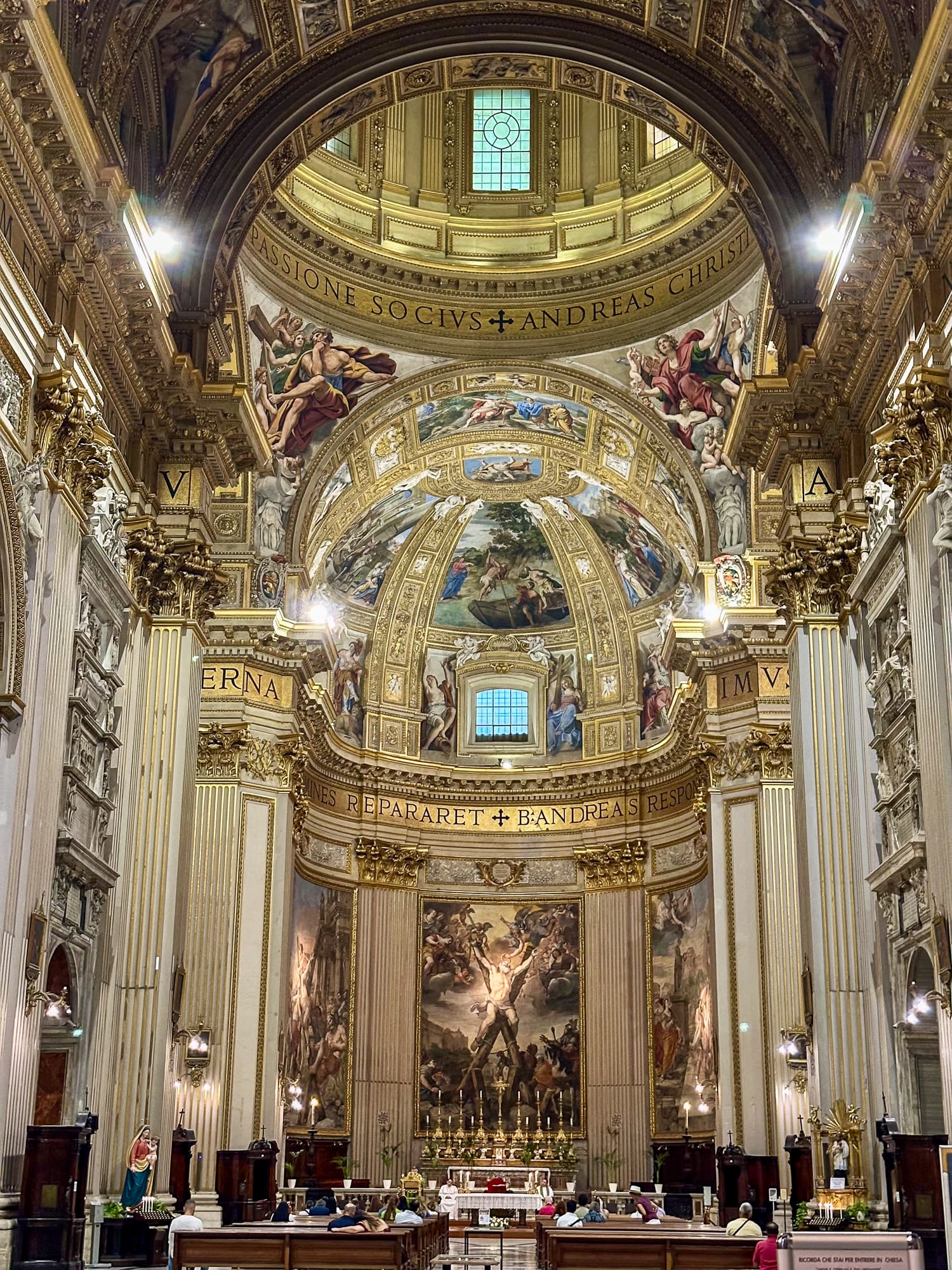
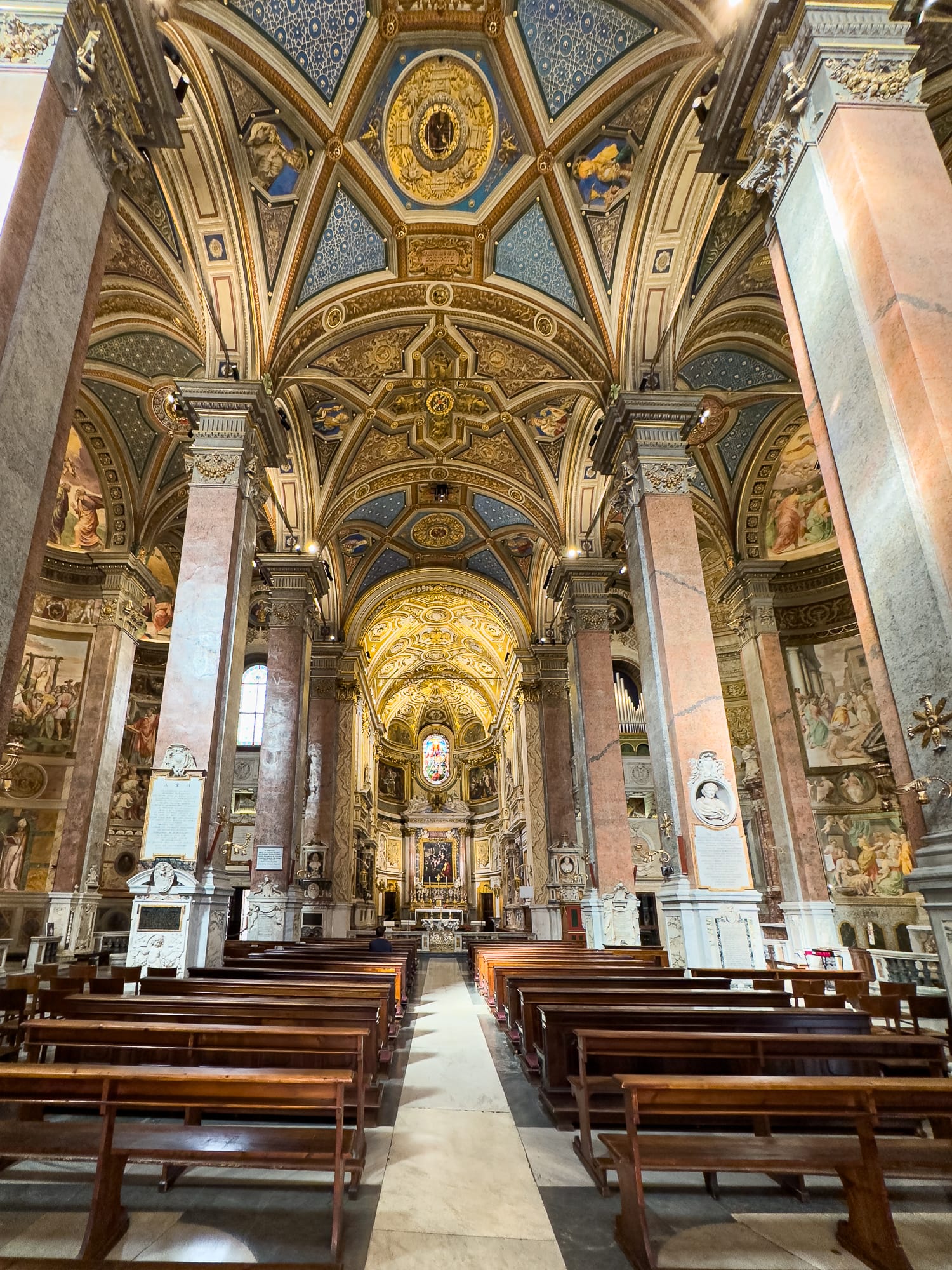
A couple of blocks more and we stepped off the street into the Basilica di Sant'Andrea della Valle. "A soaring, frescoed dome tops this imposing 17th-century church, with an elaborate Baroque interior." There are AMAZING churches on every street.
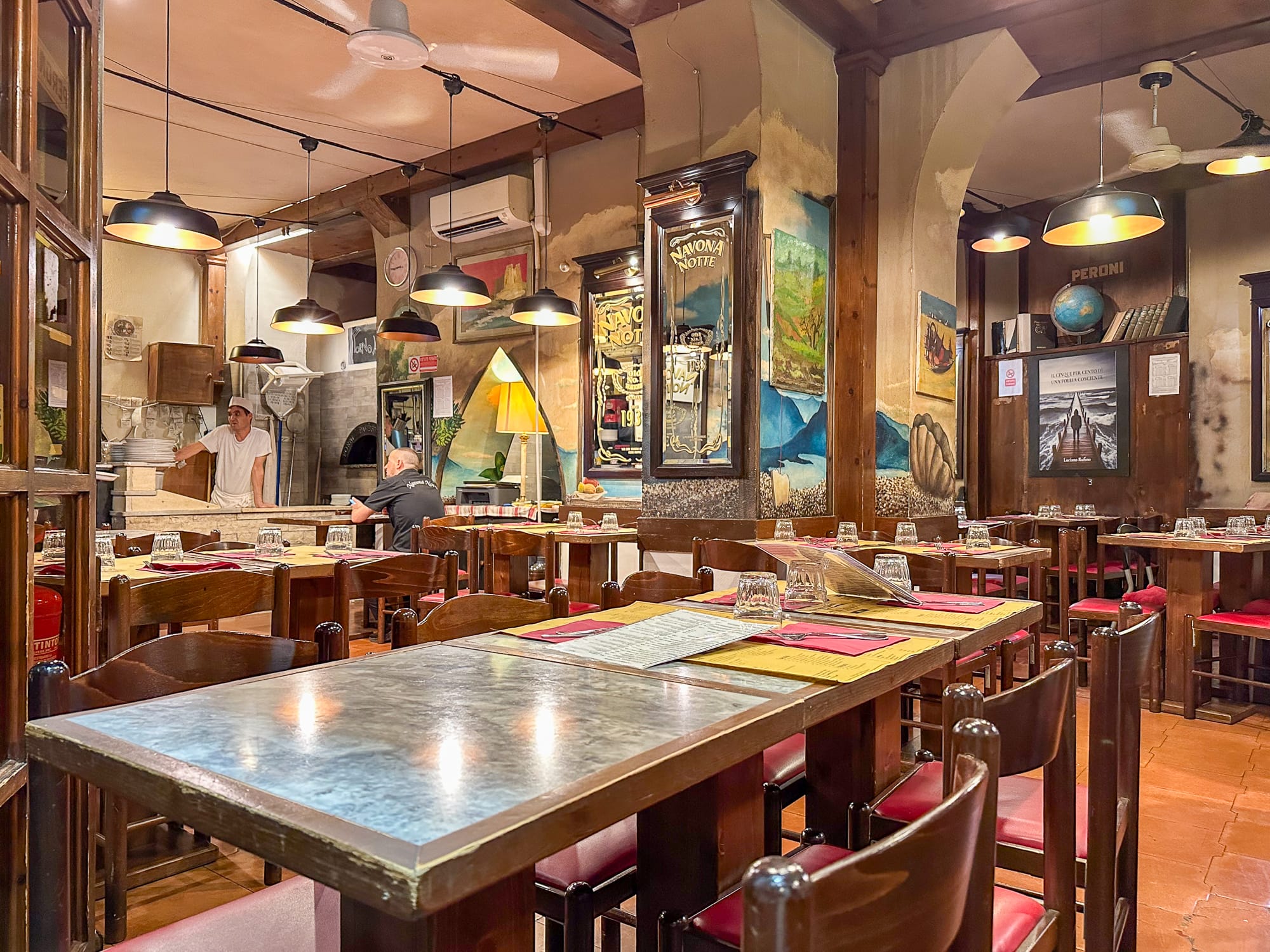
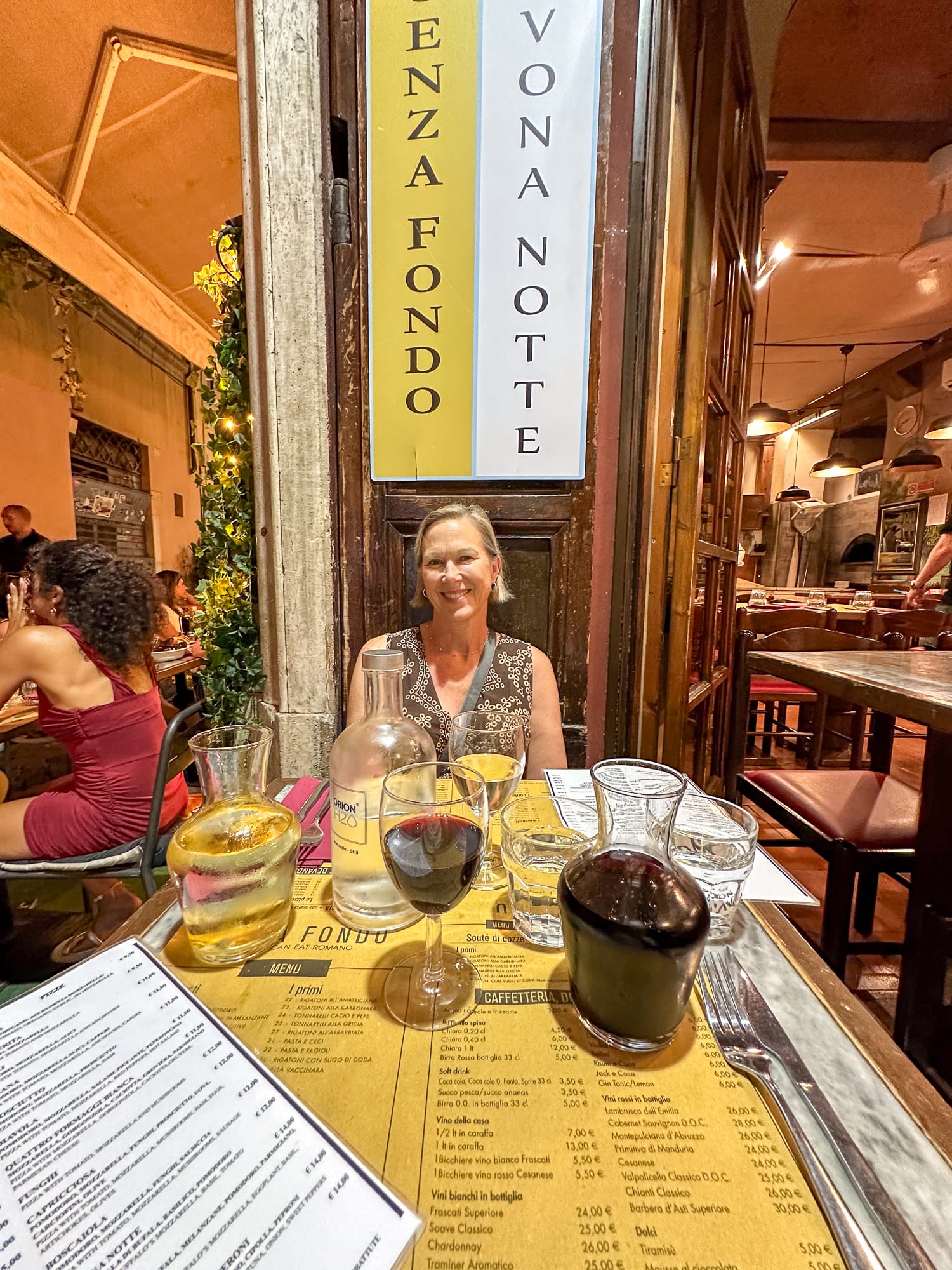
Lastly, we finished off the night at one of the myriad of restaurants near our lodging. BEST OF THE TRIP, so far. Ristorante Pizzeria Navona Notte. Delicious & great value. In business since 1933.
Vatican & Others
Thursday, Sept 18
Very tiring day (24k+ steps)
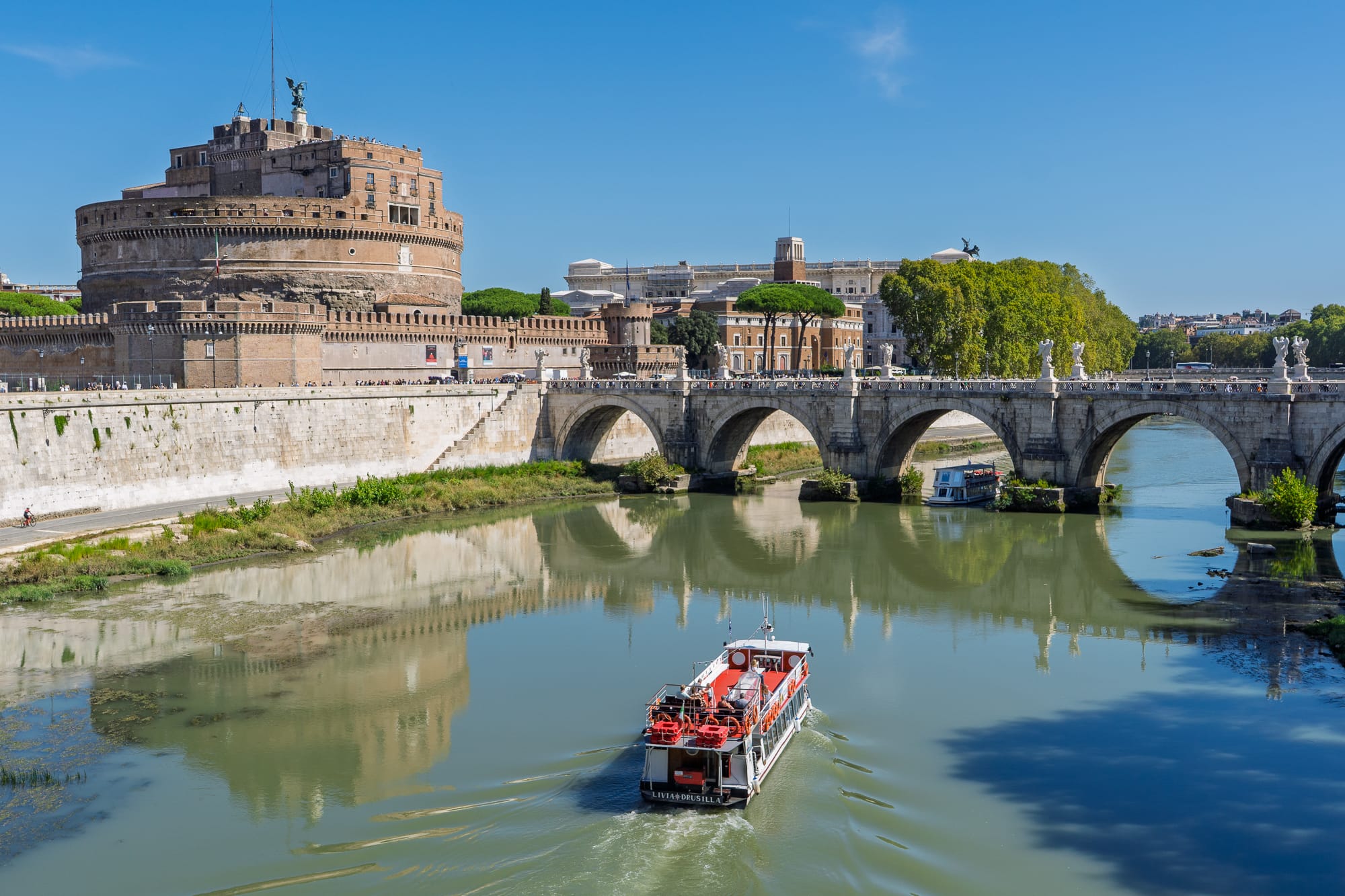
First up... walked to the Vatican (30 mins west). Interesting sights along the way. More churches, the Tiber river and ancient buildings like the Castel Sant'Angelo (circular, 2nd-century castle).
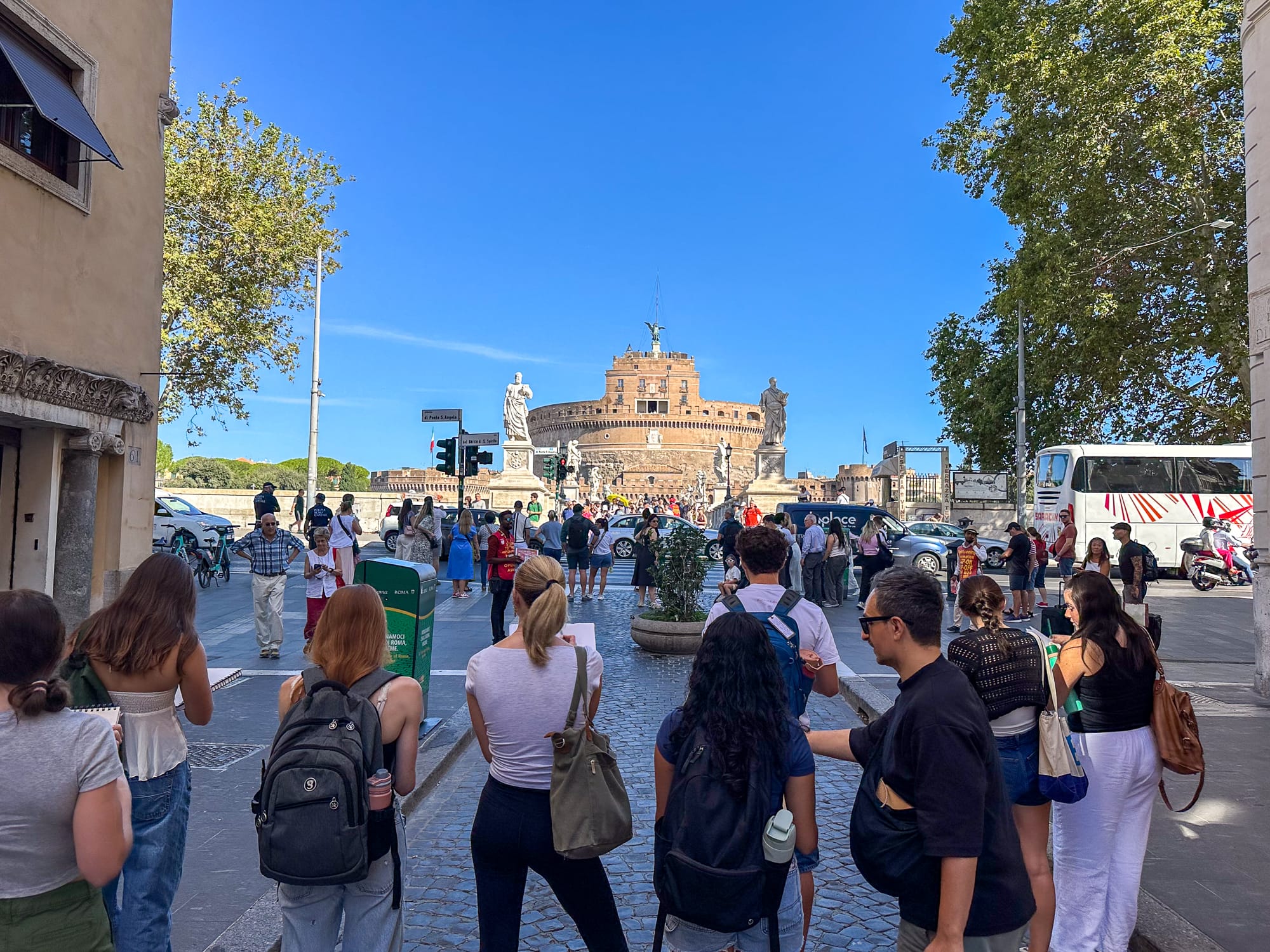
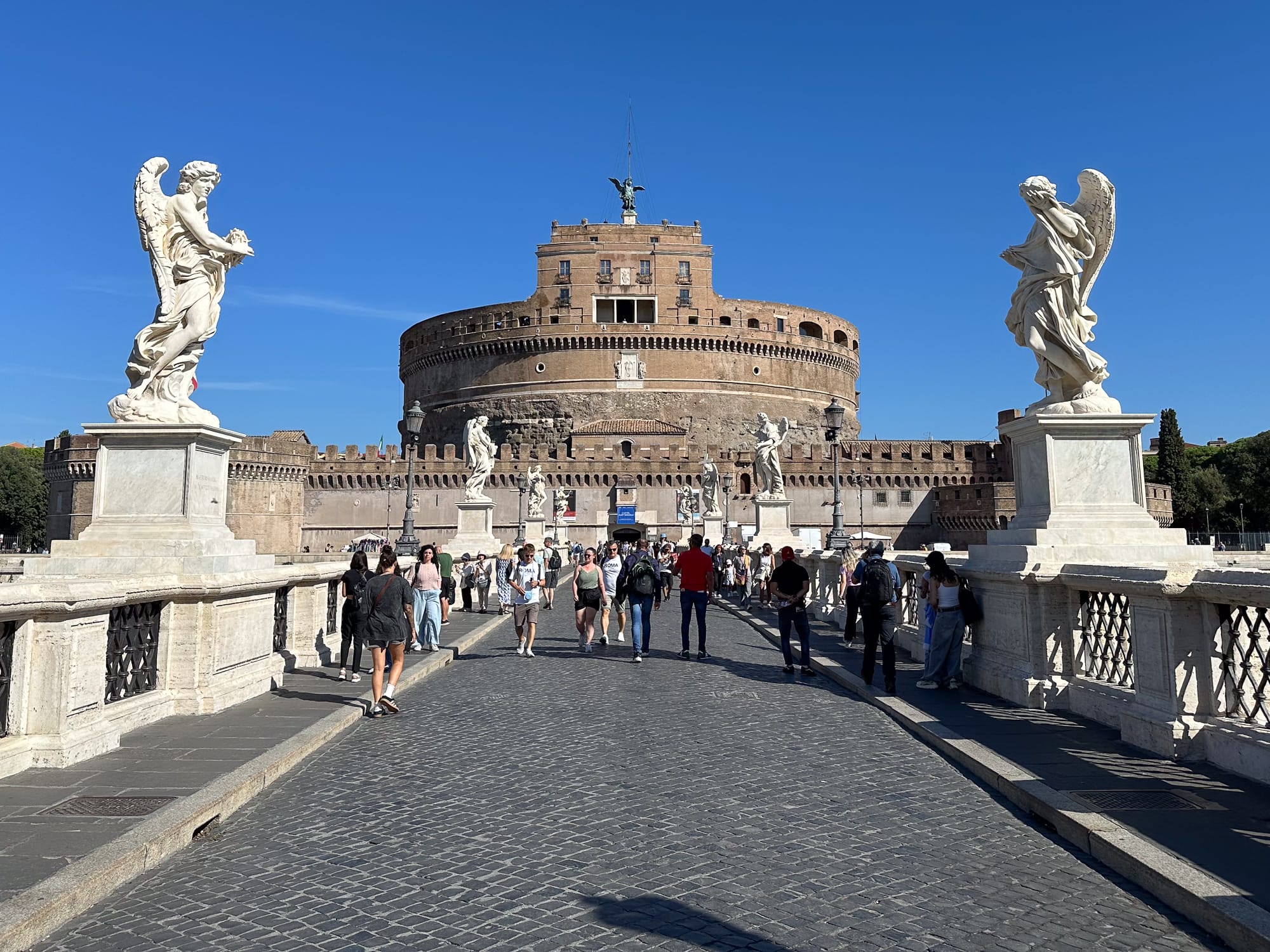
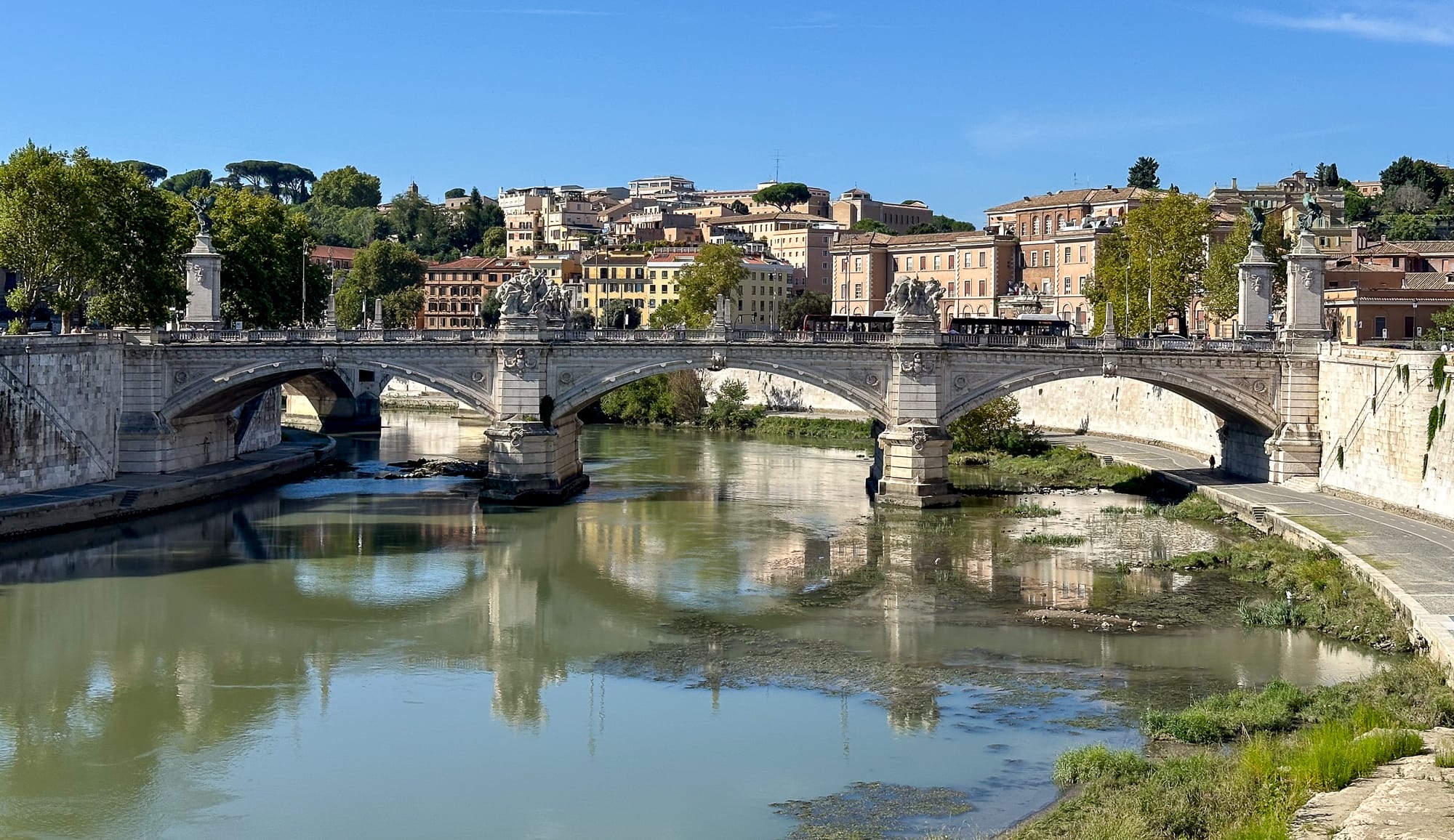
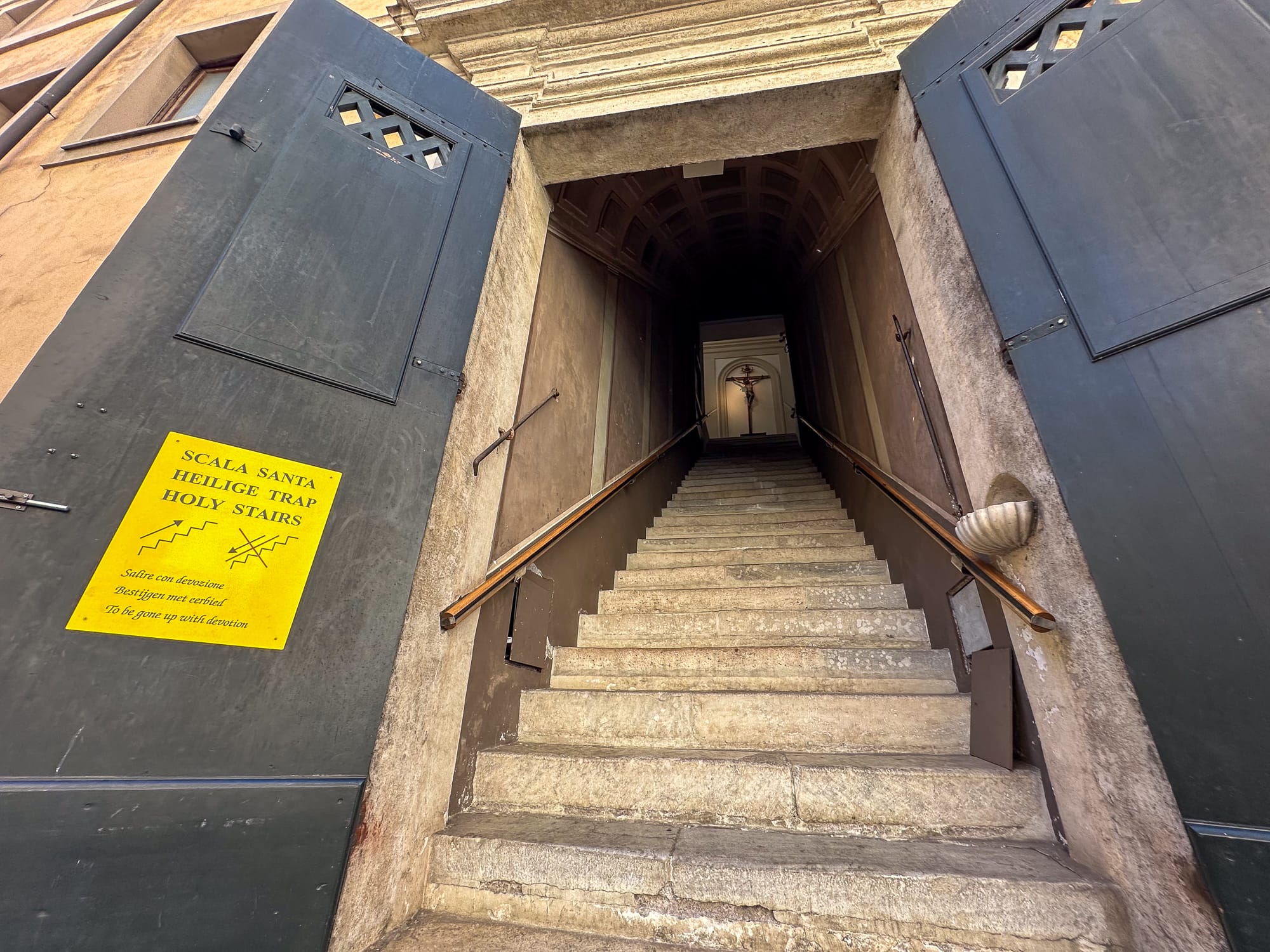
Saint Peter’s Basilica
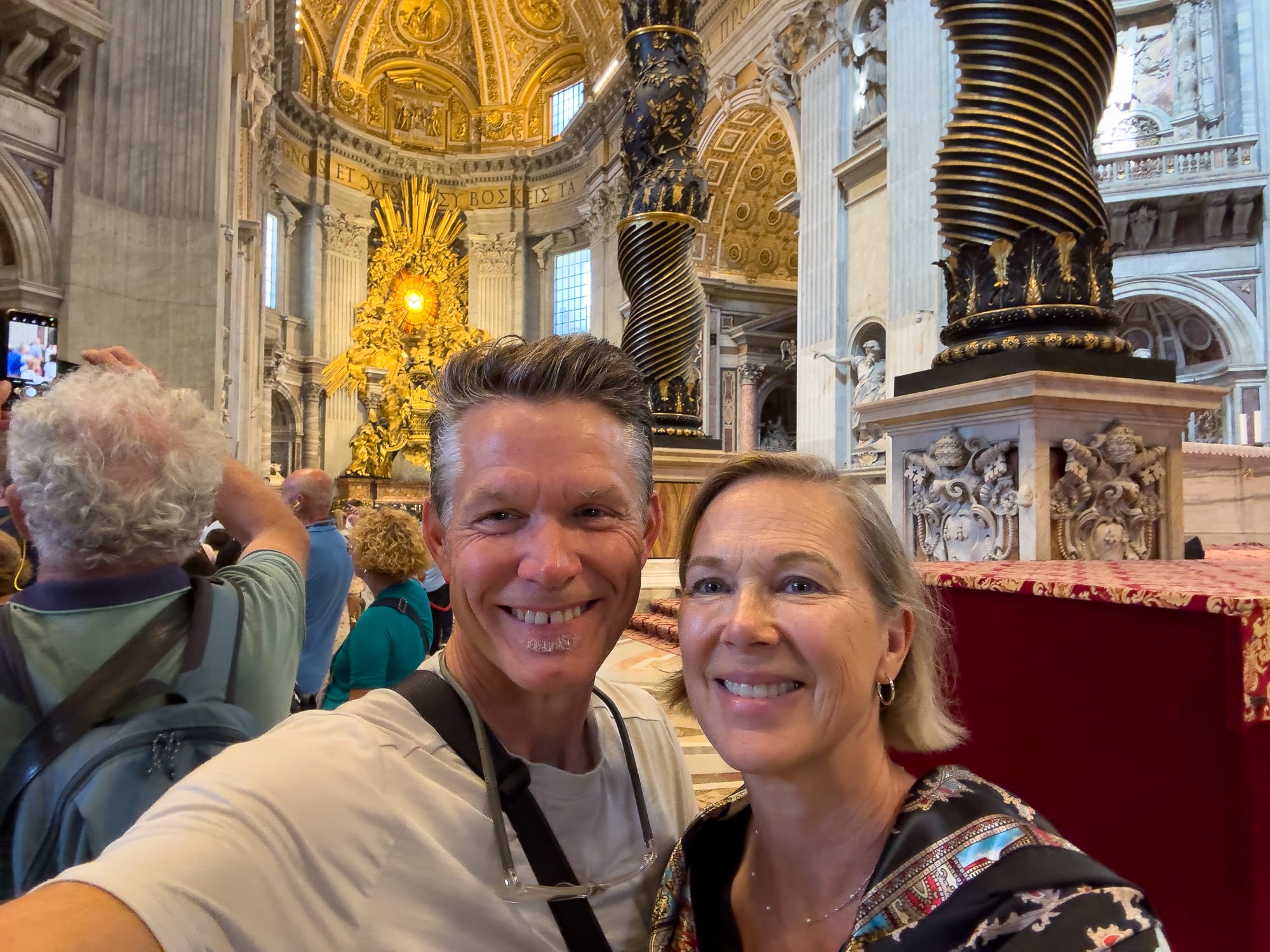
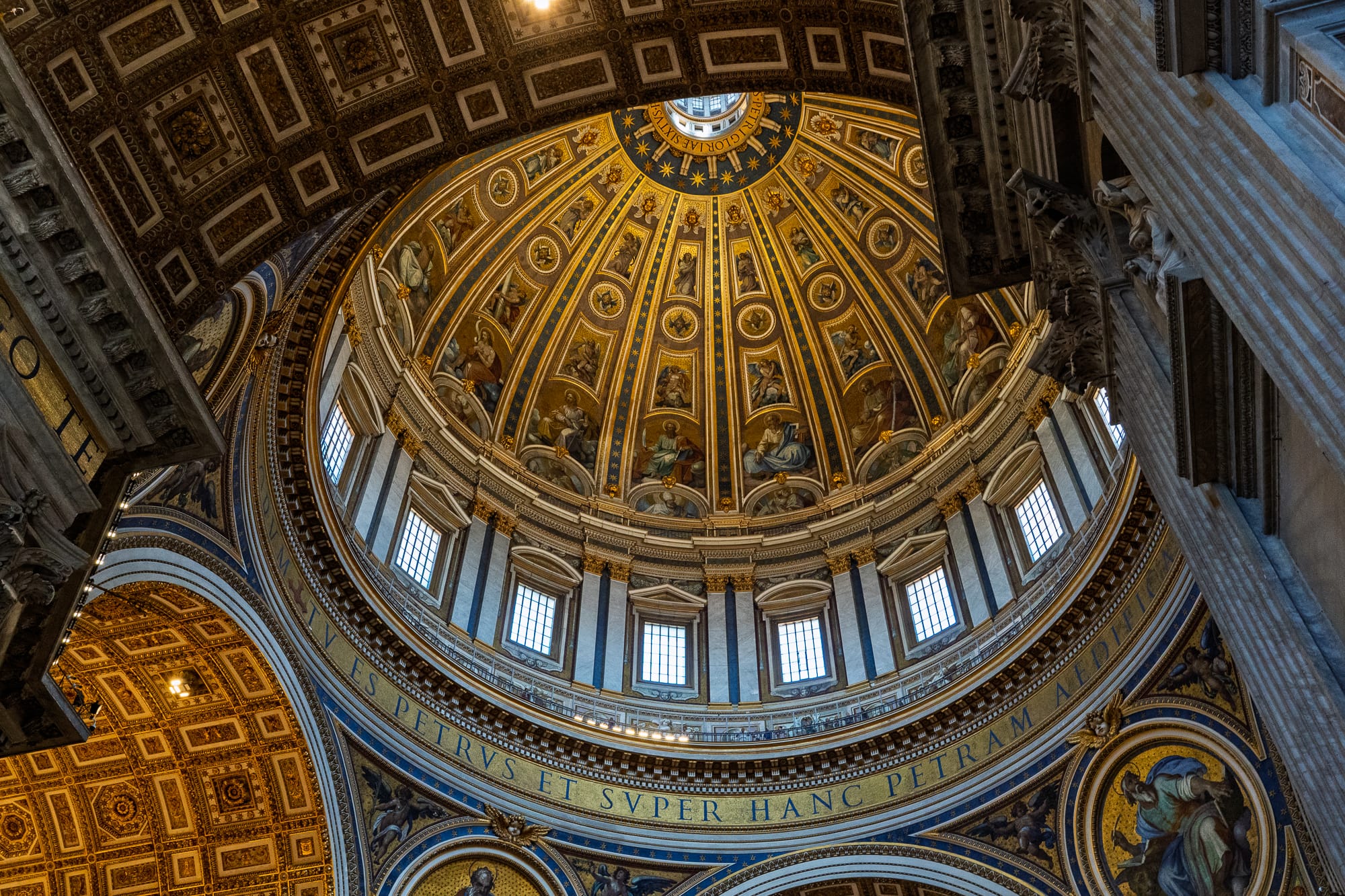
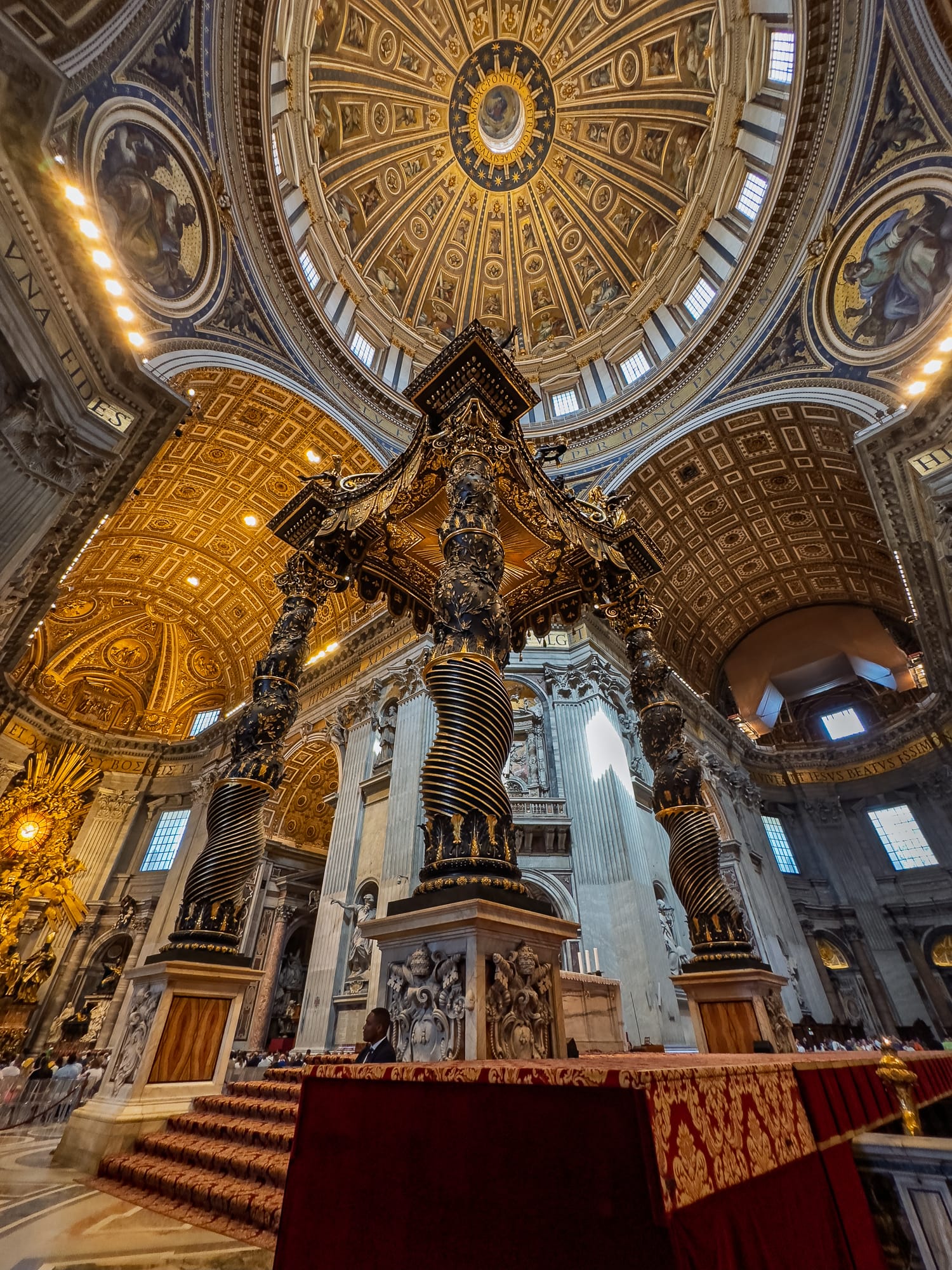
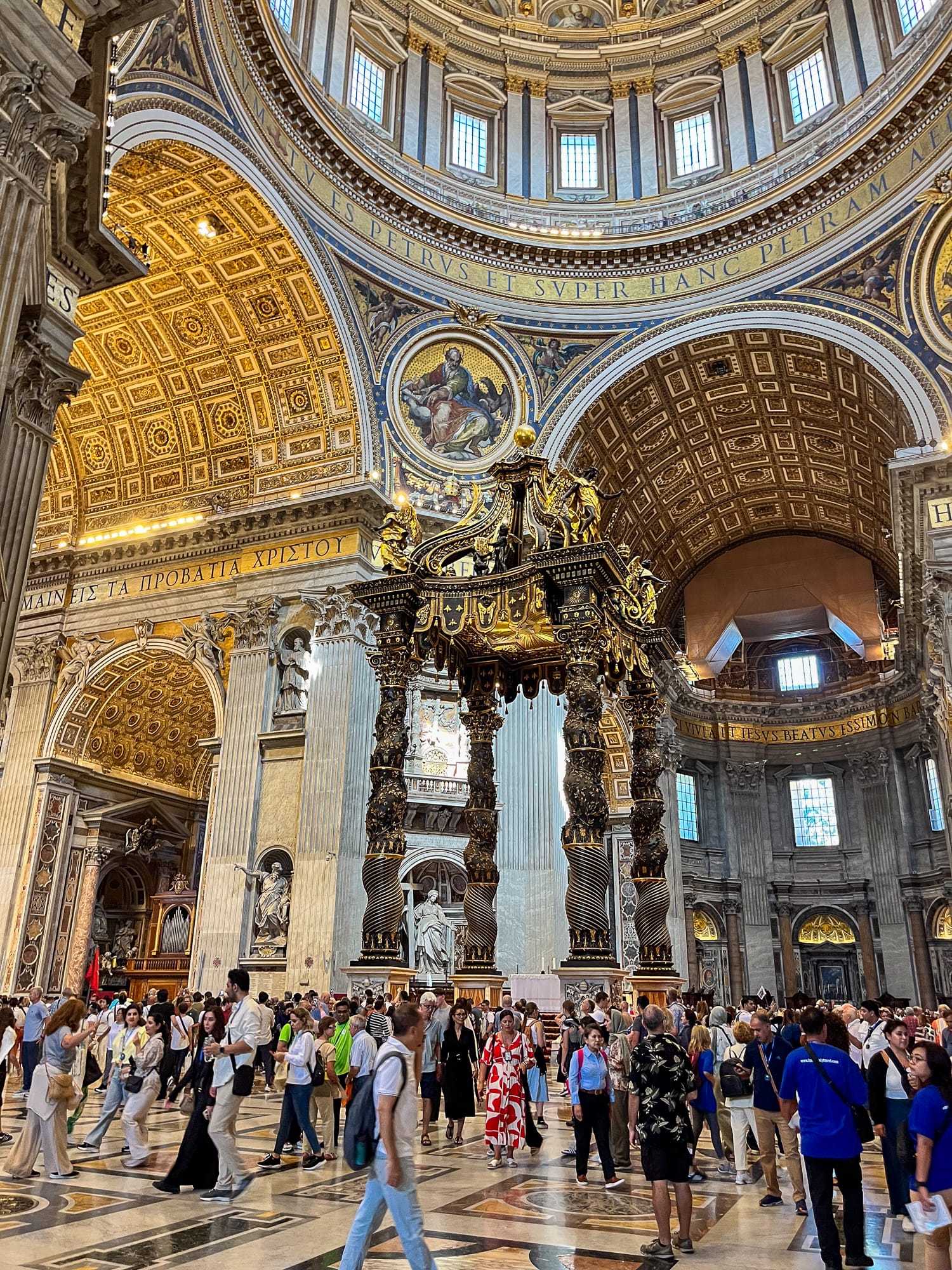
Vatican City felt chaotic: thousands of visitors waited in long lines, passing through metal detectors and splitting off to different areas. Groups of fifty or more pilgrims, led by someone carrying a cross, made processions while singing or reciting scripture, forcing other tourists to pause until they passed. We almost passed out from the heat while waiting in the catacombs before climbing the steps up to the basilica. Inside, multiple religious services took place at the same time in Latin, each drawing large audiences, while the general crowd milled about talking and taking photos. It was a beautiful spectacle. The experience was visually stunning, but the amount of money and resources devoted to building and maintaining this grandeur made us wonder if that effort might serve people better elsewhere.
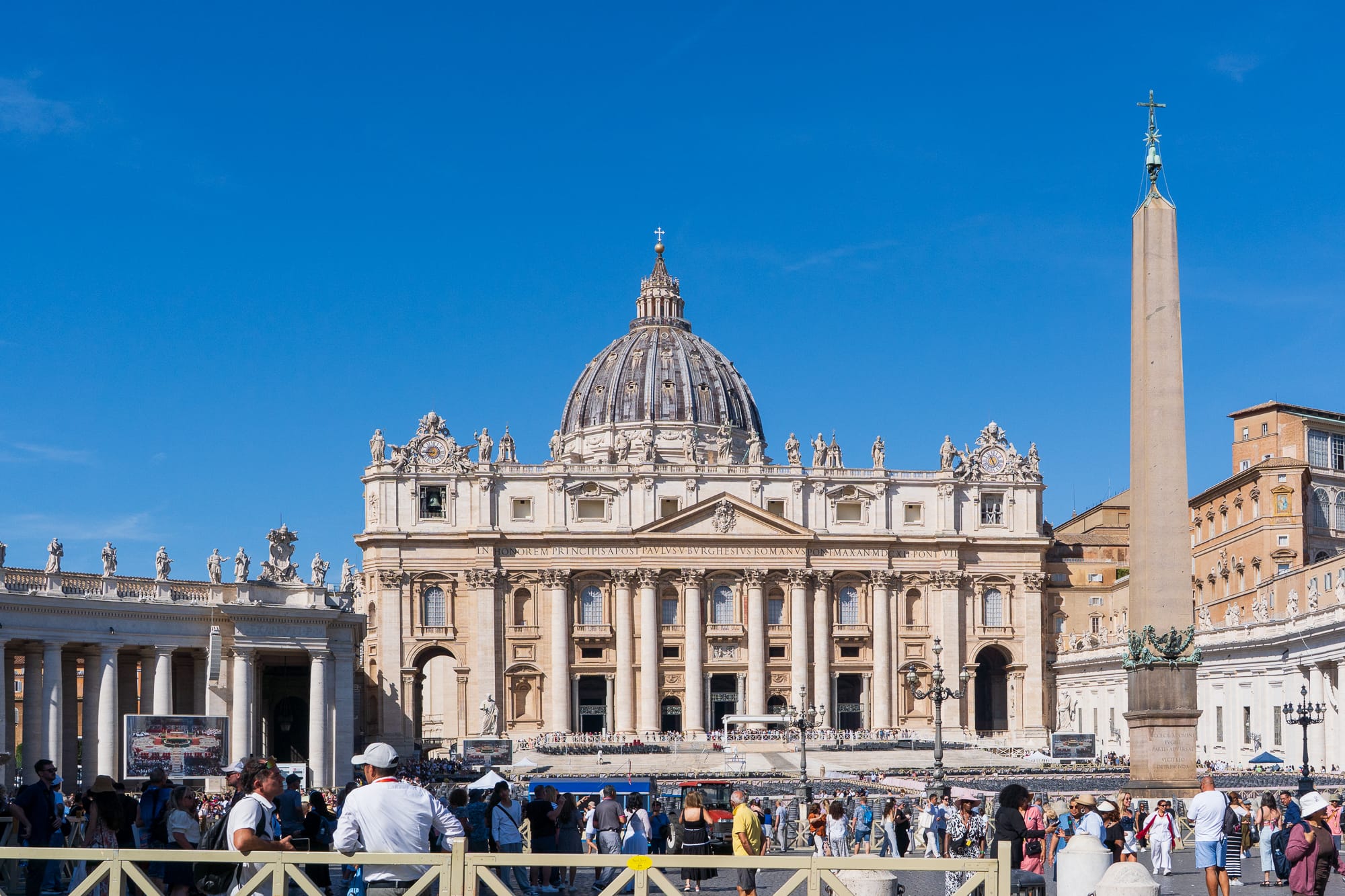
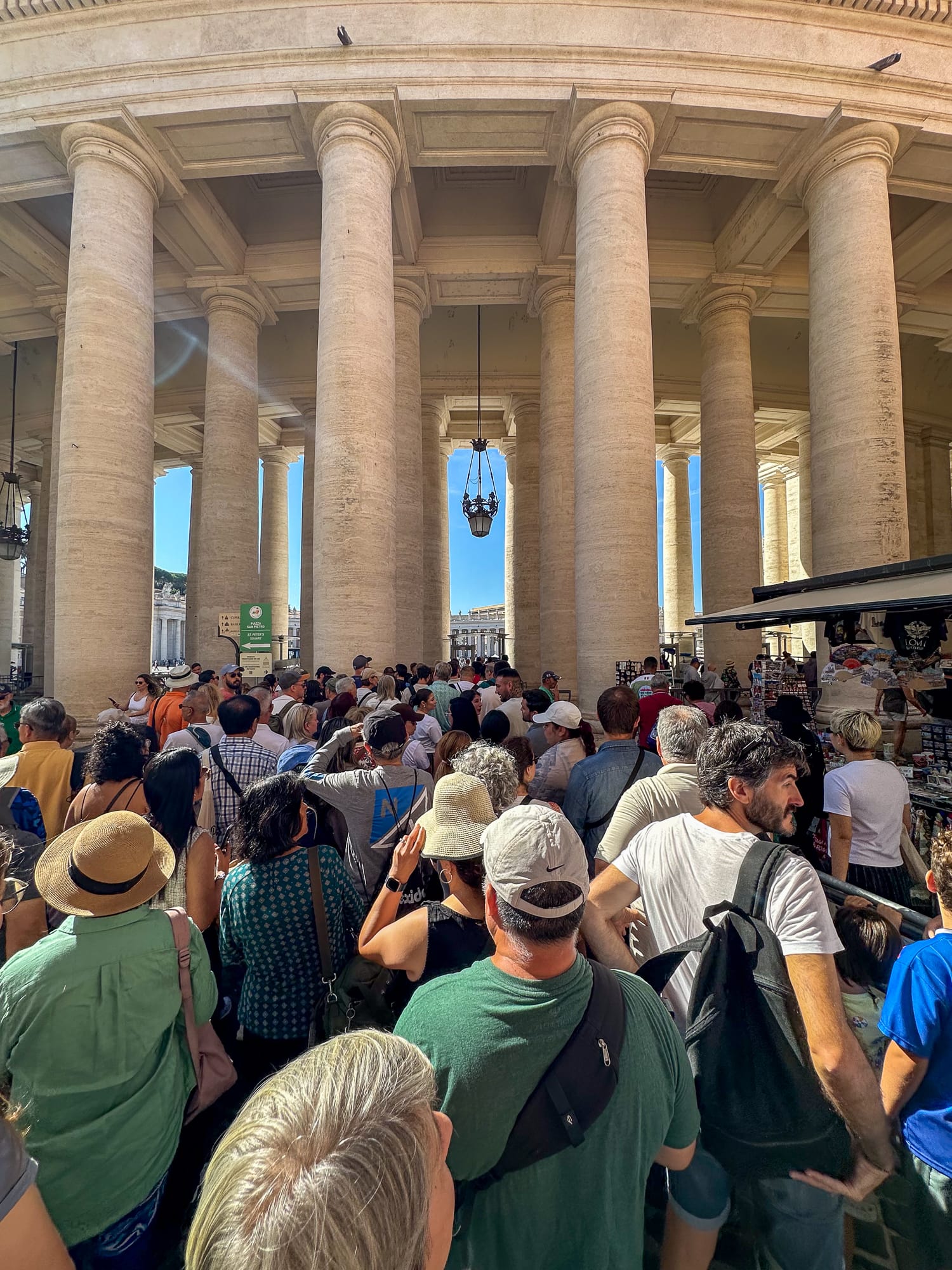
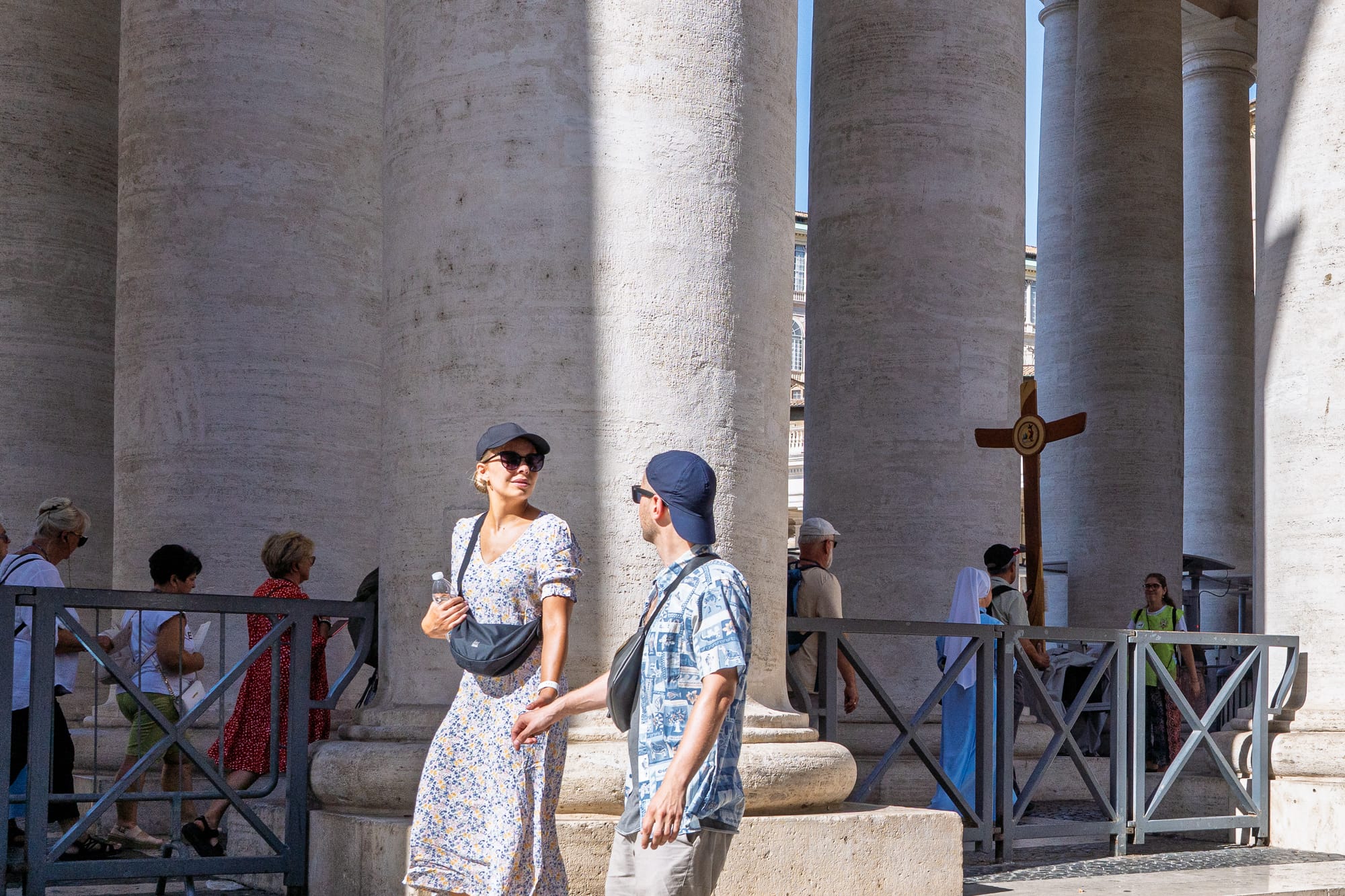
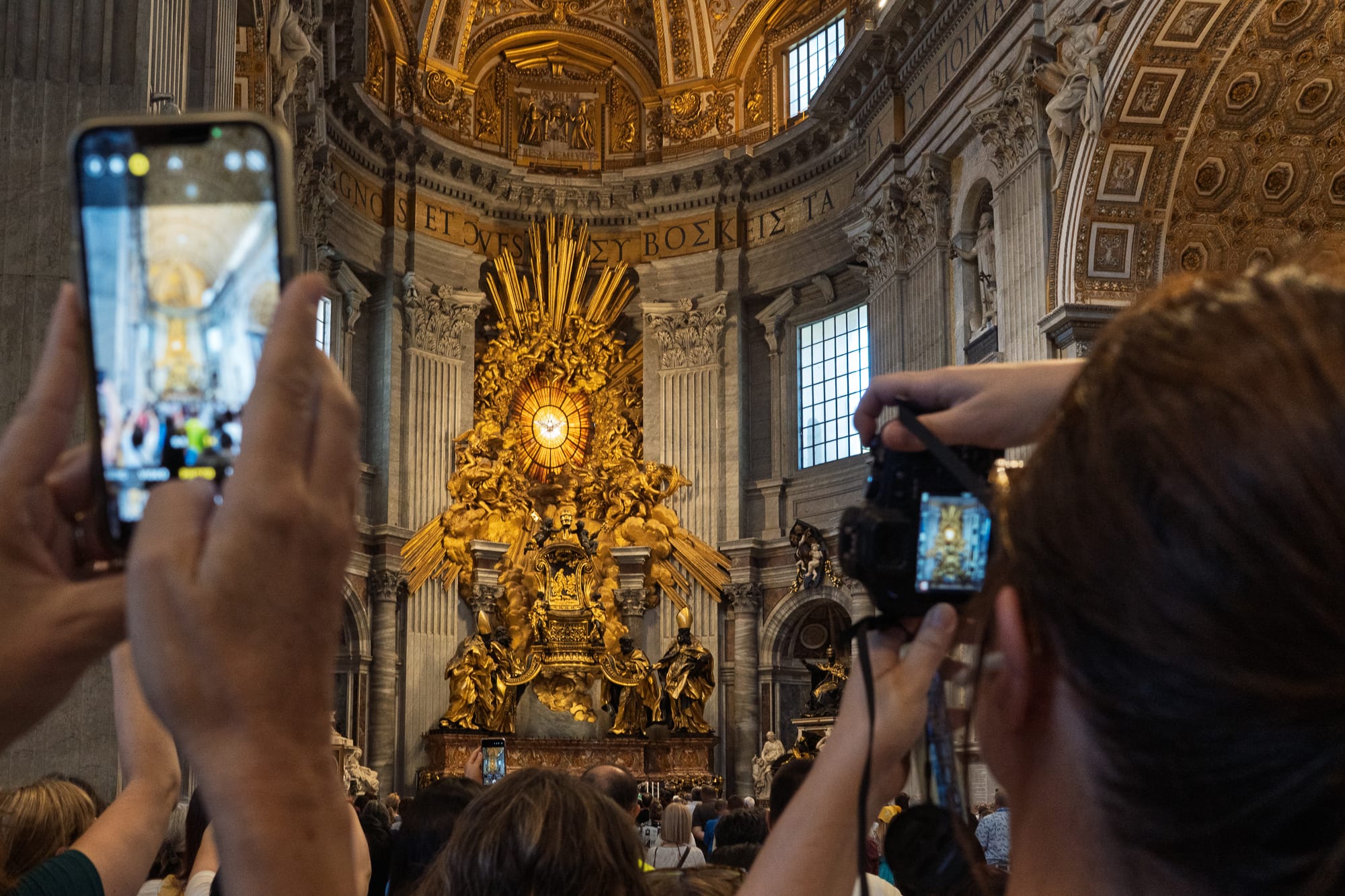
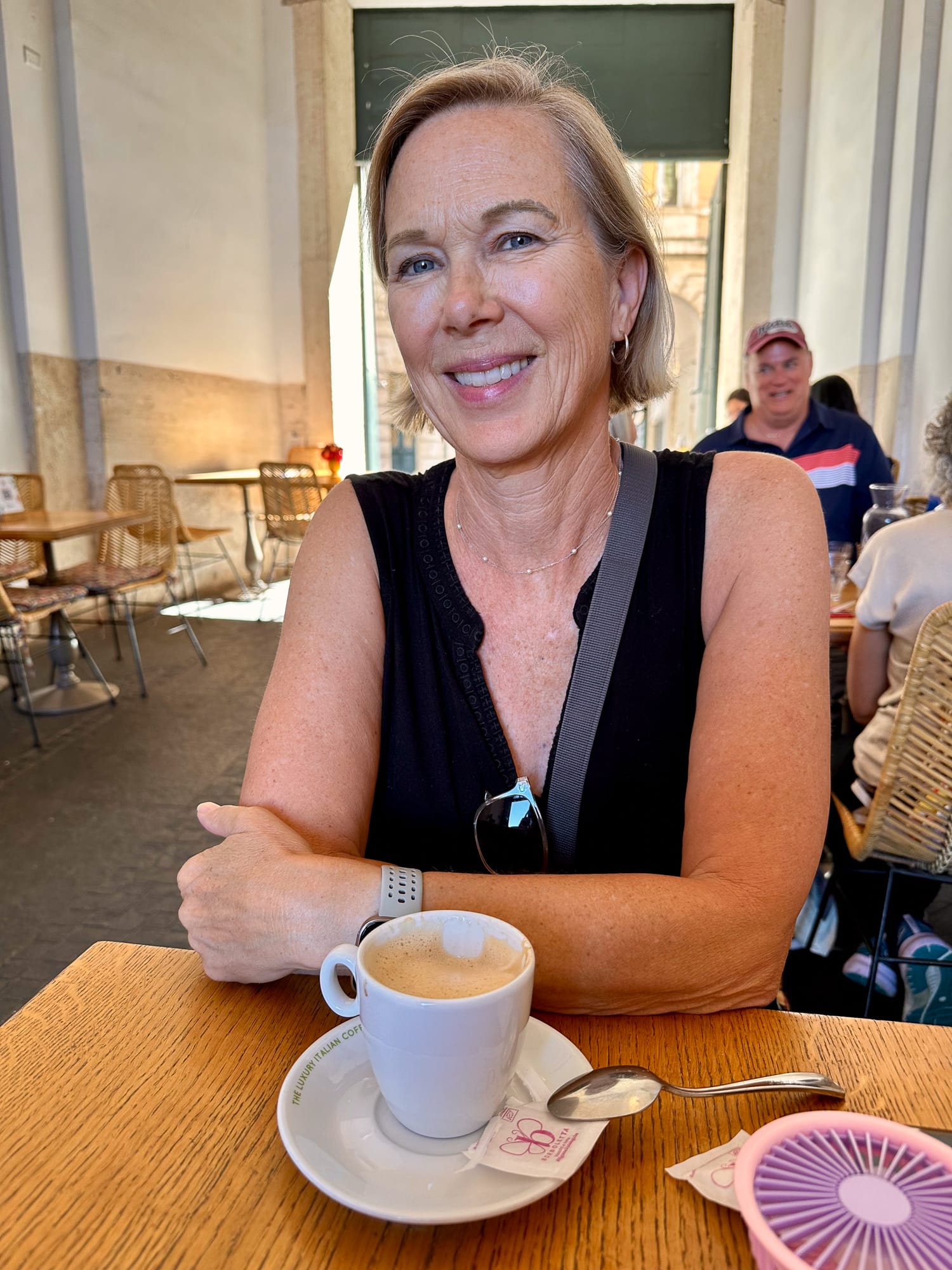
Stopped for a light lunch on the way back. Then after a short rest, we stopped for another cappuccino (our preferred drink in Italy) and a tiramisu at our local Navona Plaza.
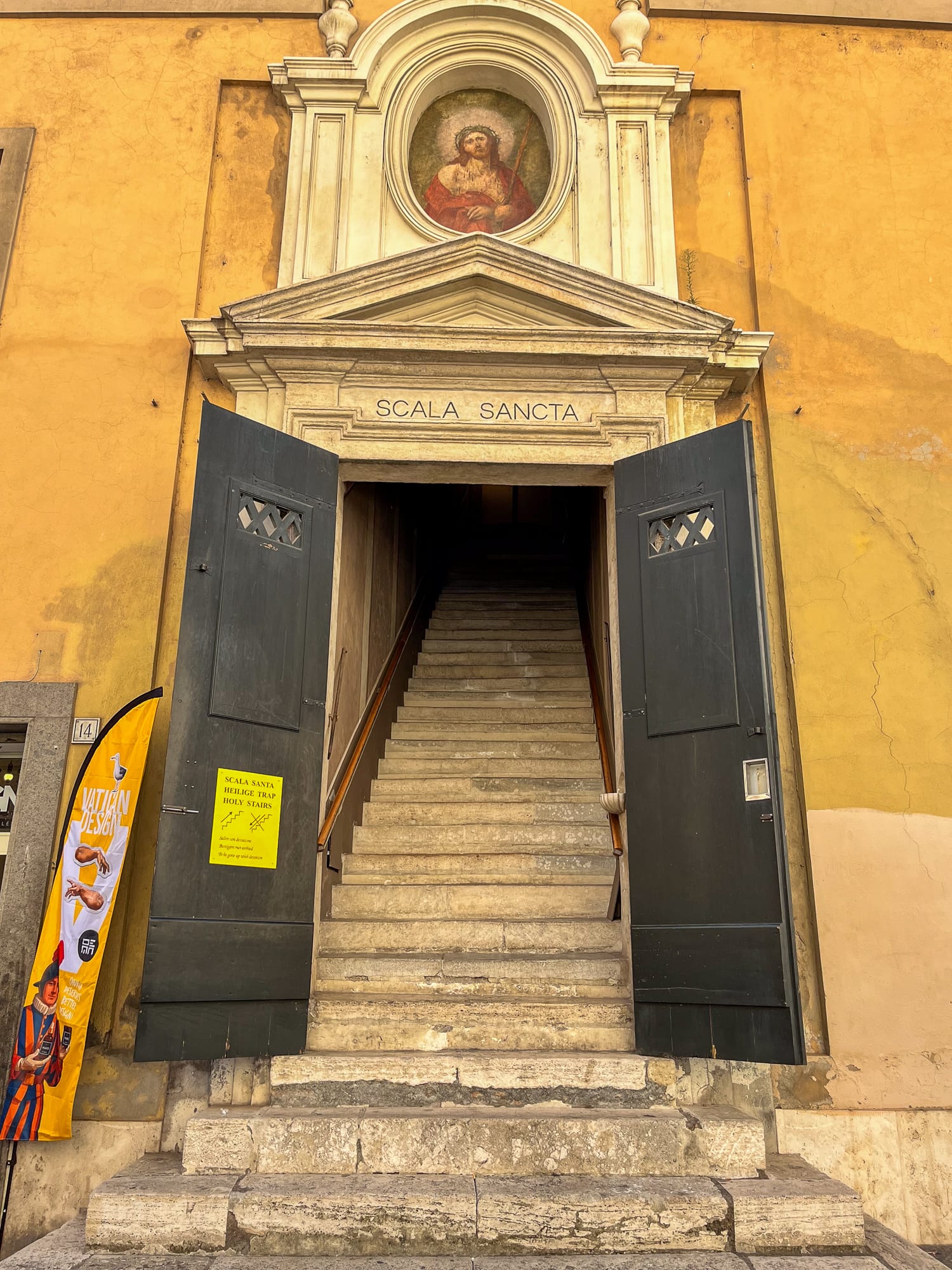
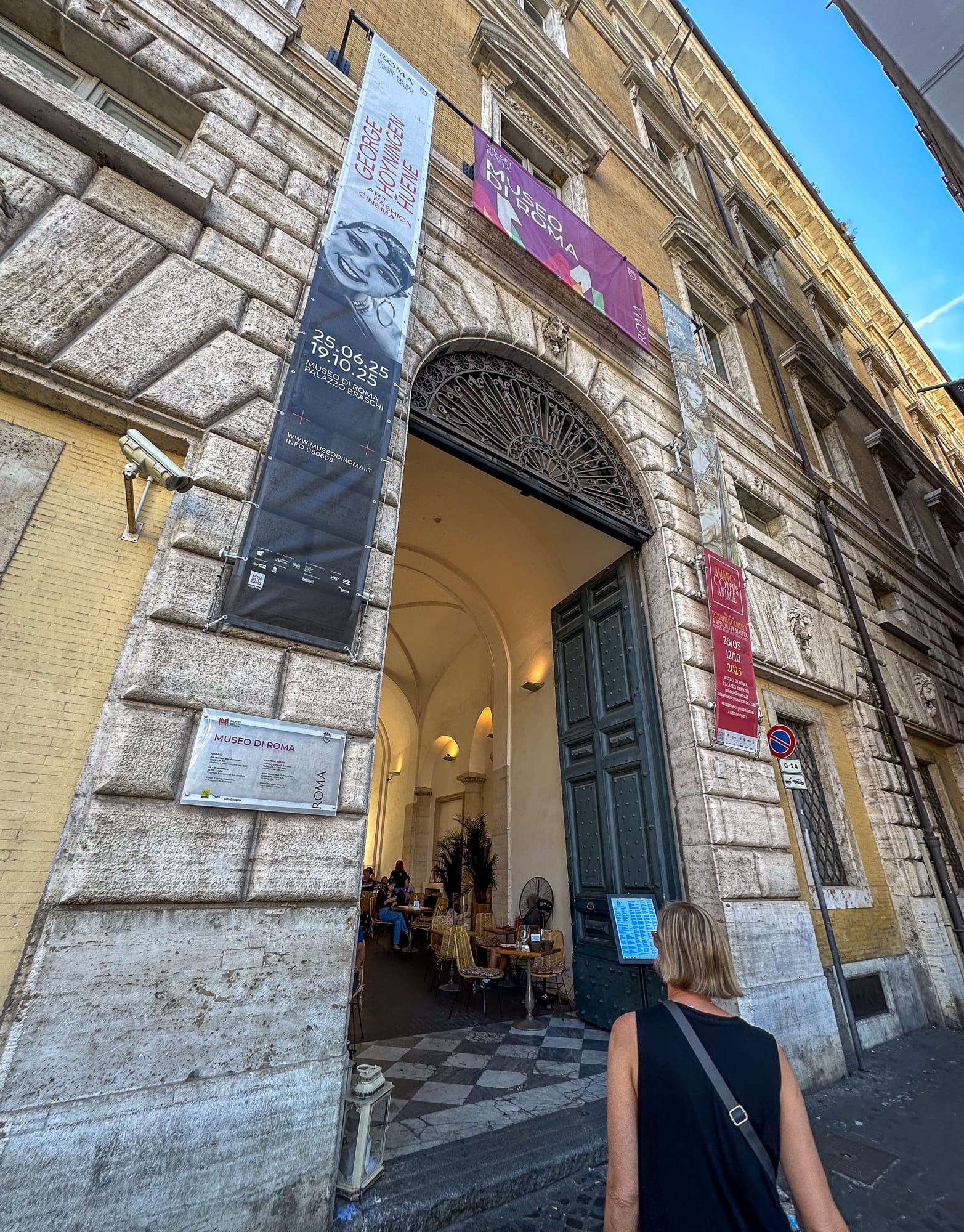
Pantheon & Trevi Fountain
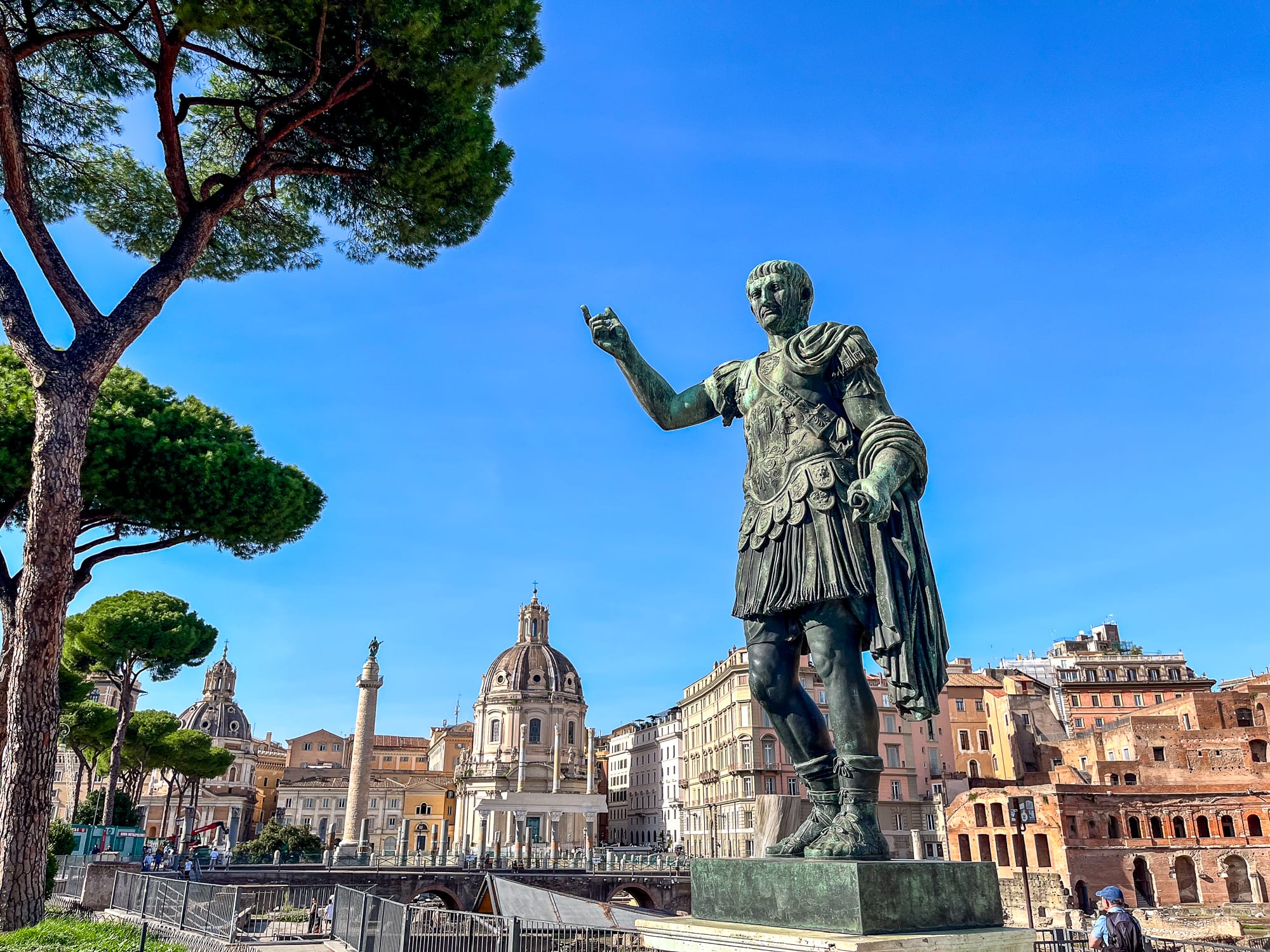
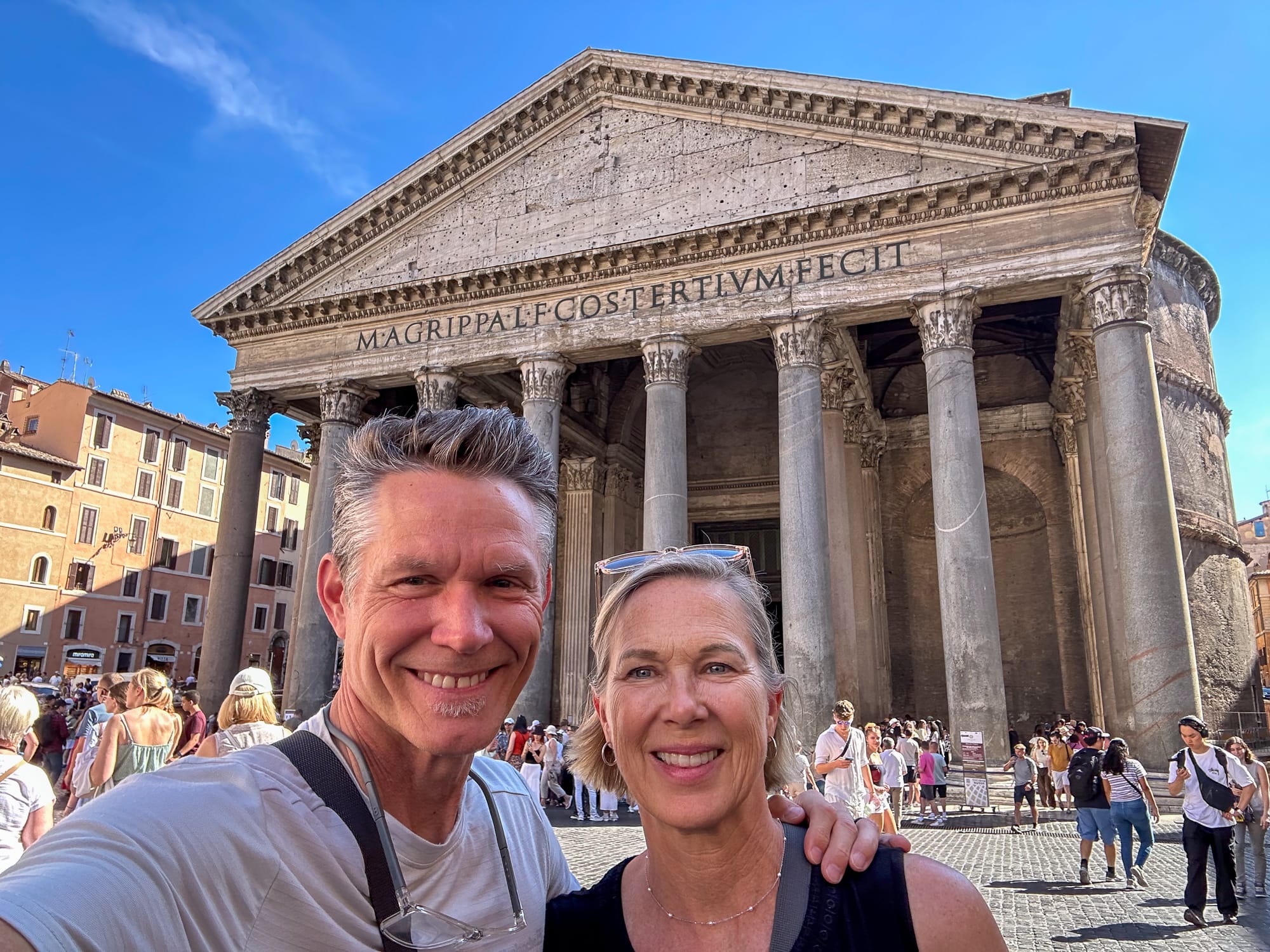
Next up, a walk by other nearby attractions, 30 minutes the other direction; the Pantheon (built ~125 A.D.) and Fontana di Trevi (completed in 1762). Meh. Also stopped at Trajan's Column.
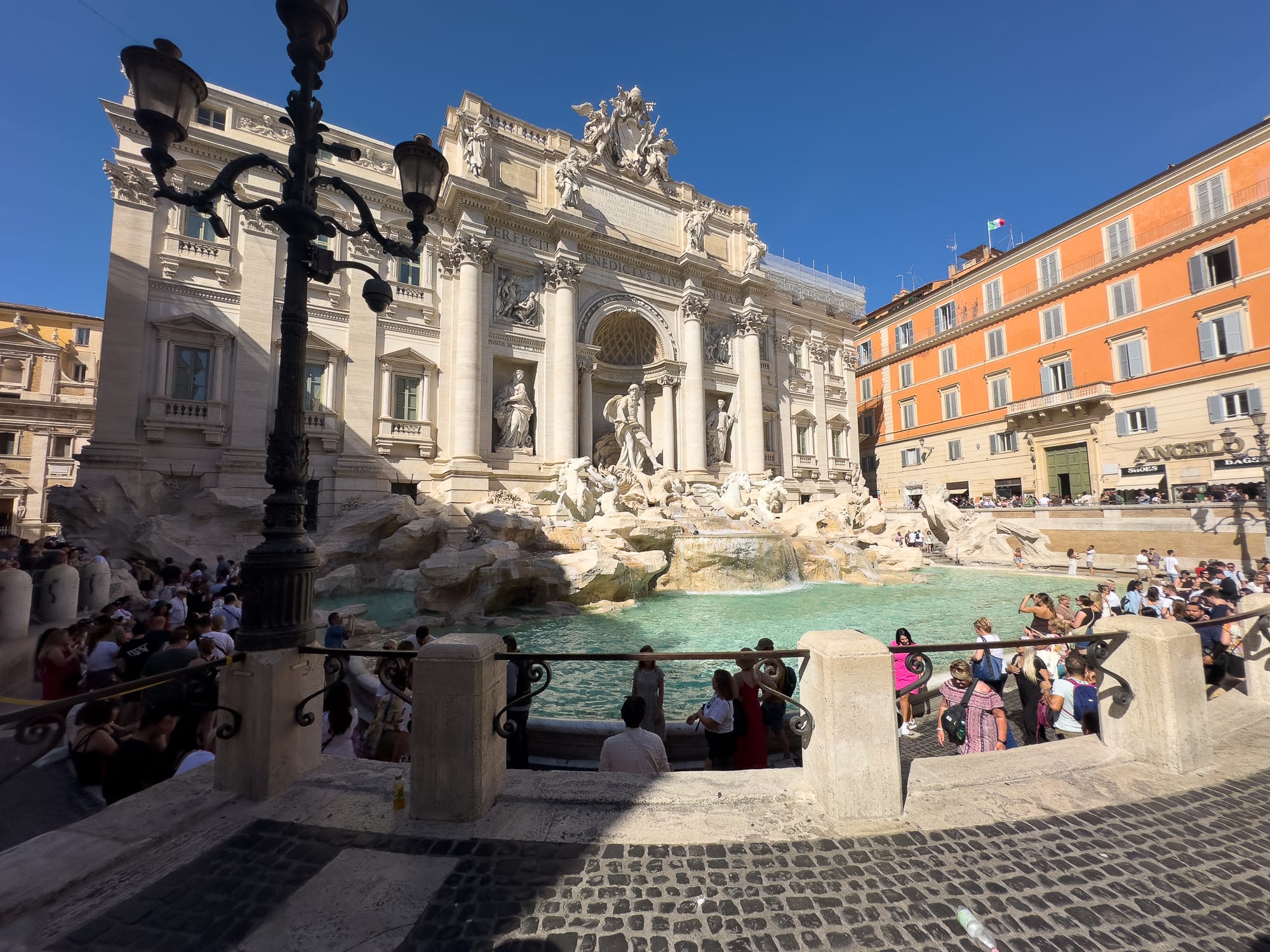
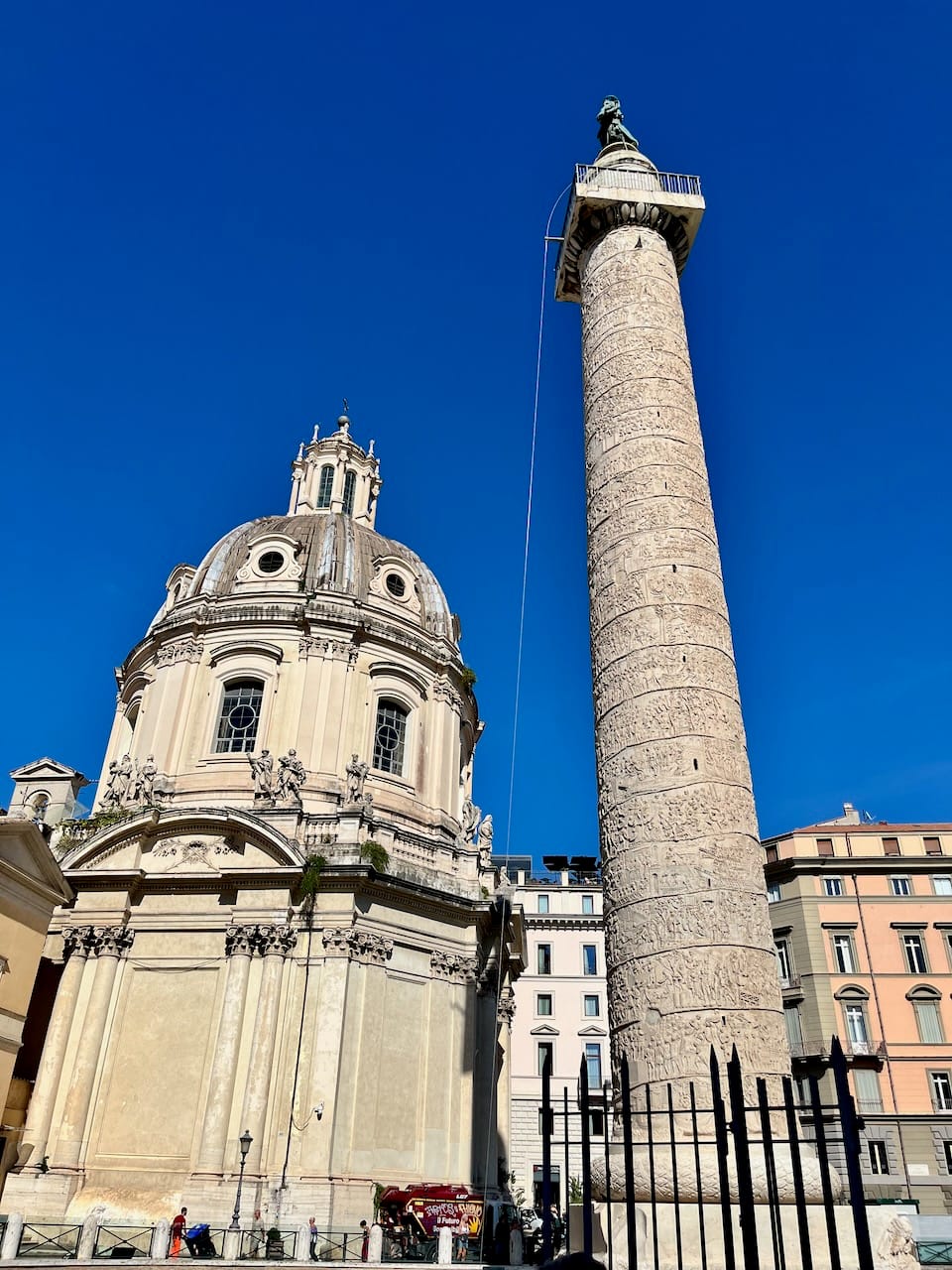
Roman Forum
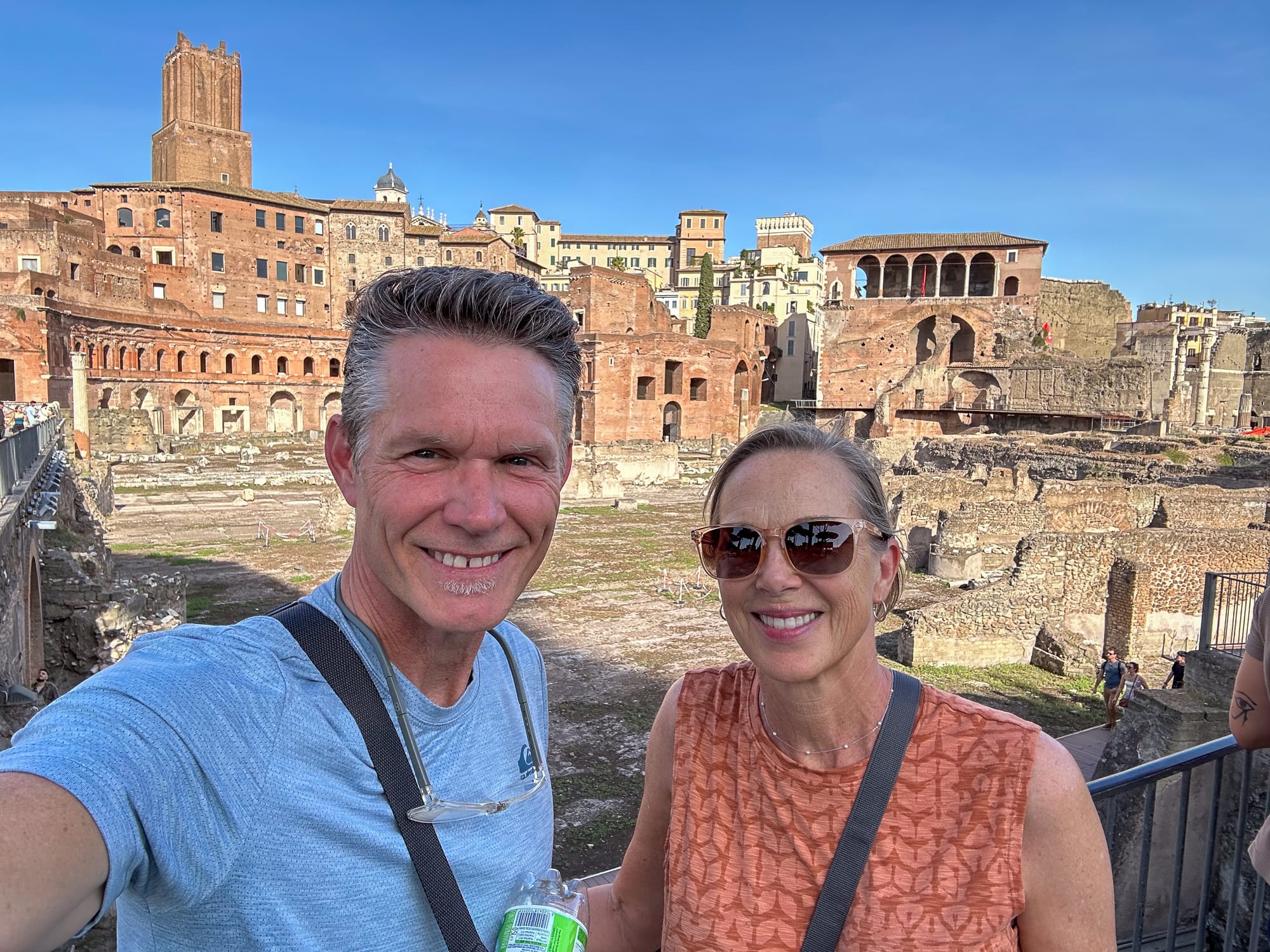
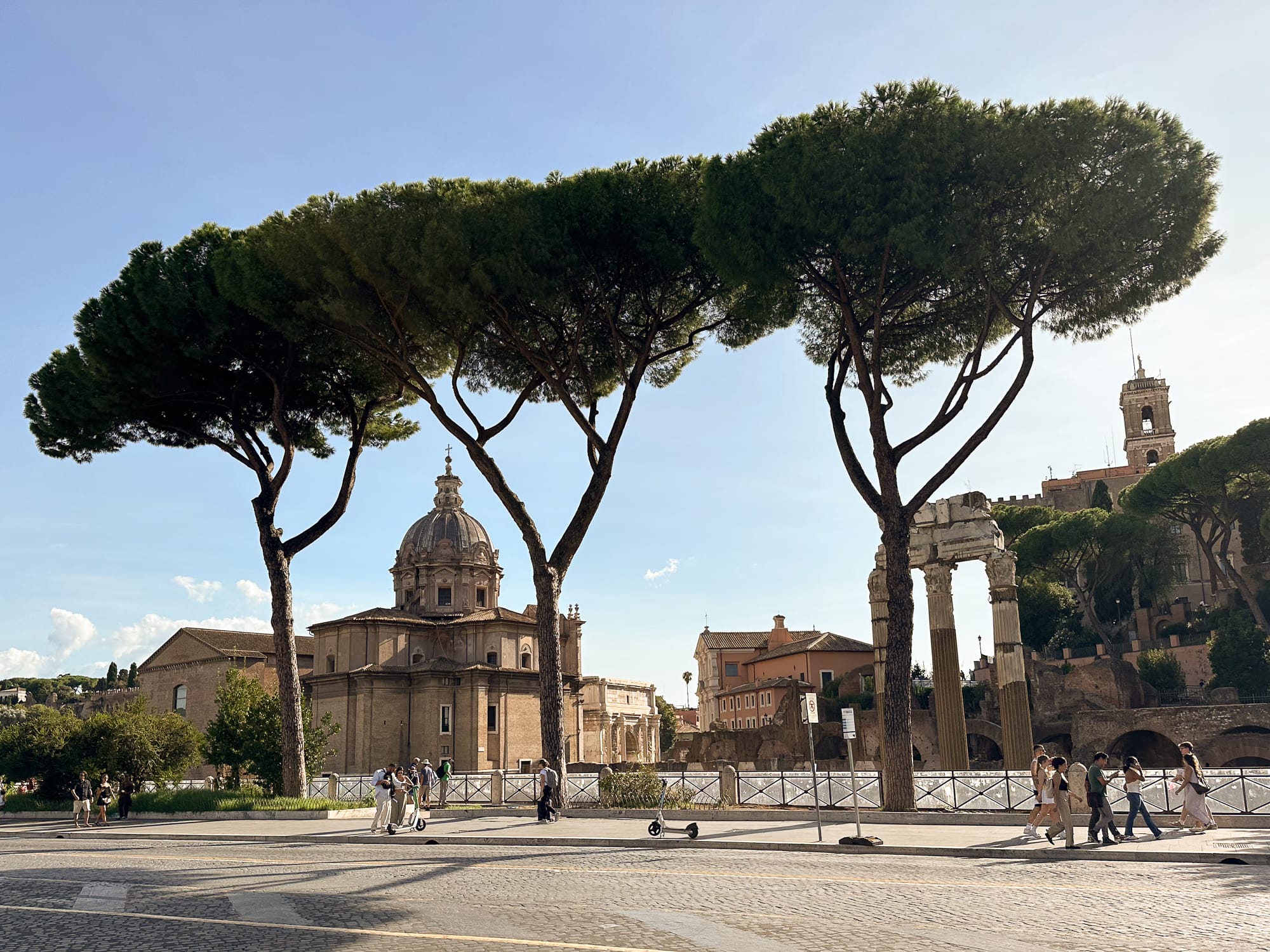
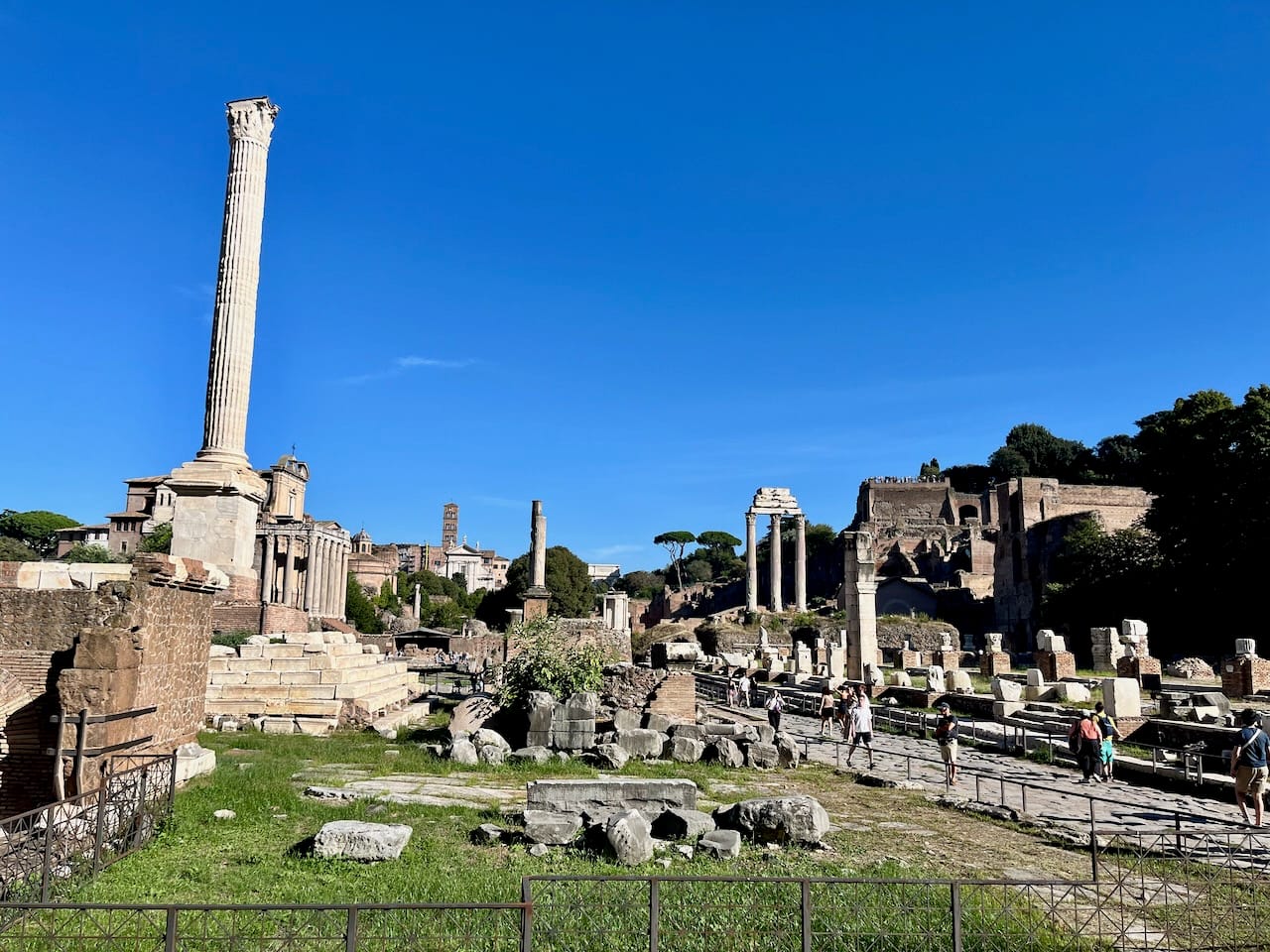
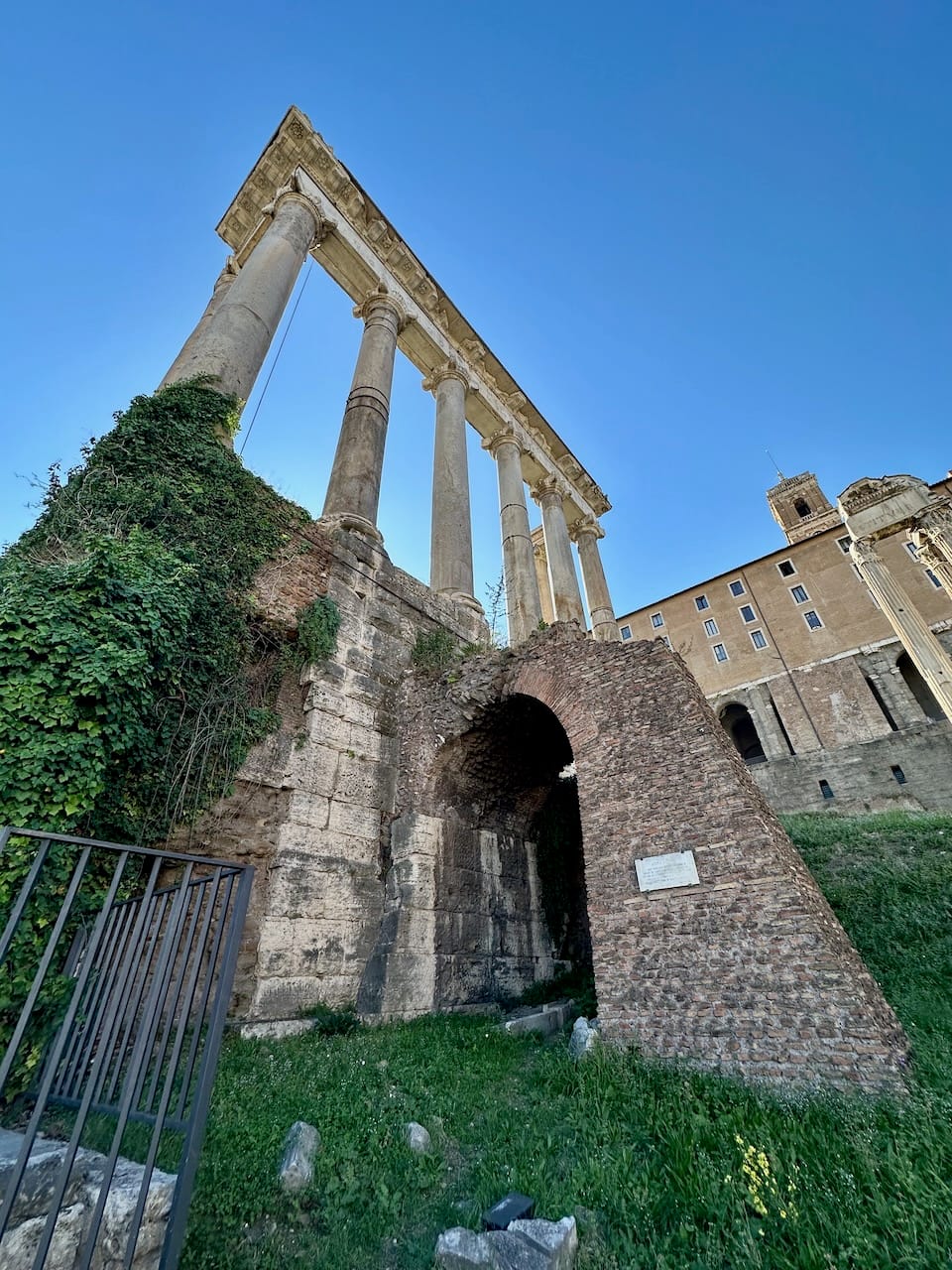
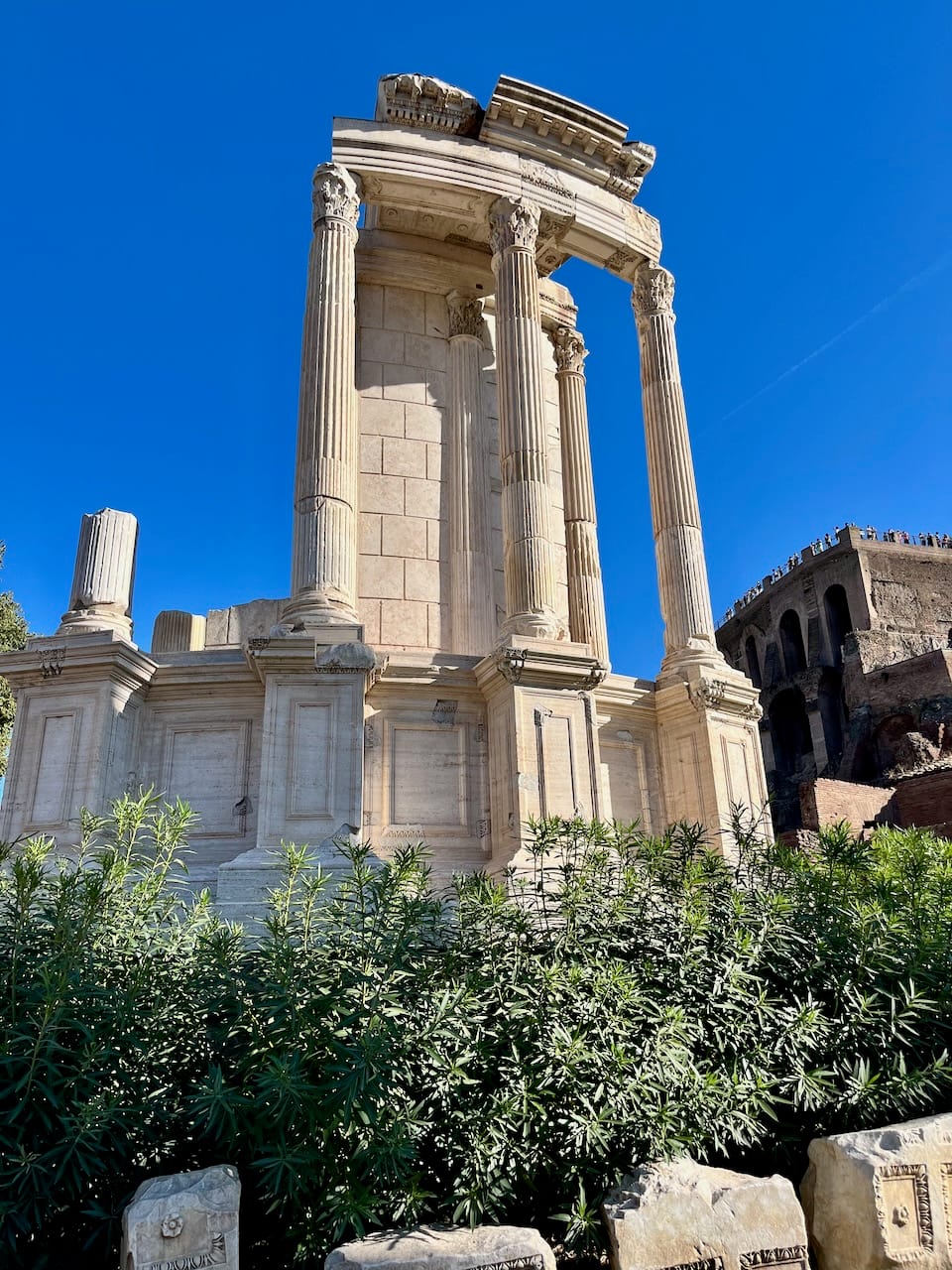
Lastly, the Roman Forum (a vast excavated area of Roman temples, squares & government buildings, some dating back 2,000 years). Impressive.
The Roman Forum was the heart of ancient Rome, serving as the main center for political, judicial, religious, and commercial activities. Initially a marketplace, the Forum evolved into the venue for public speeches, government business, law courts, triumphal processions, elections, and major social gatherings.
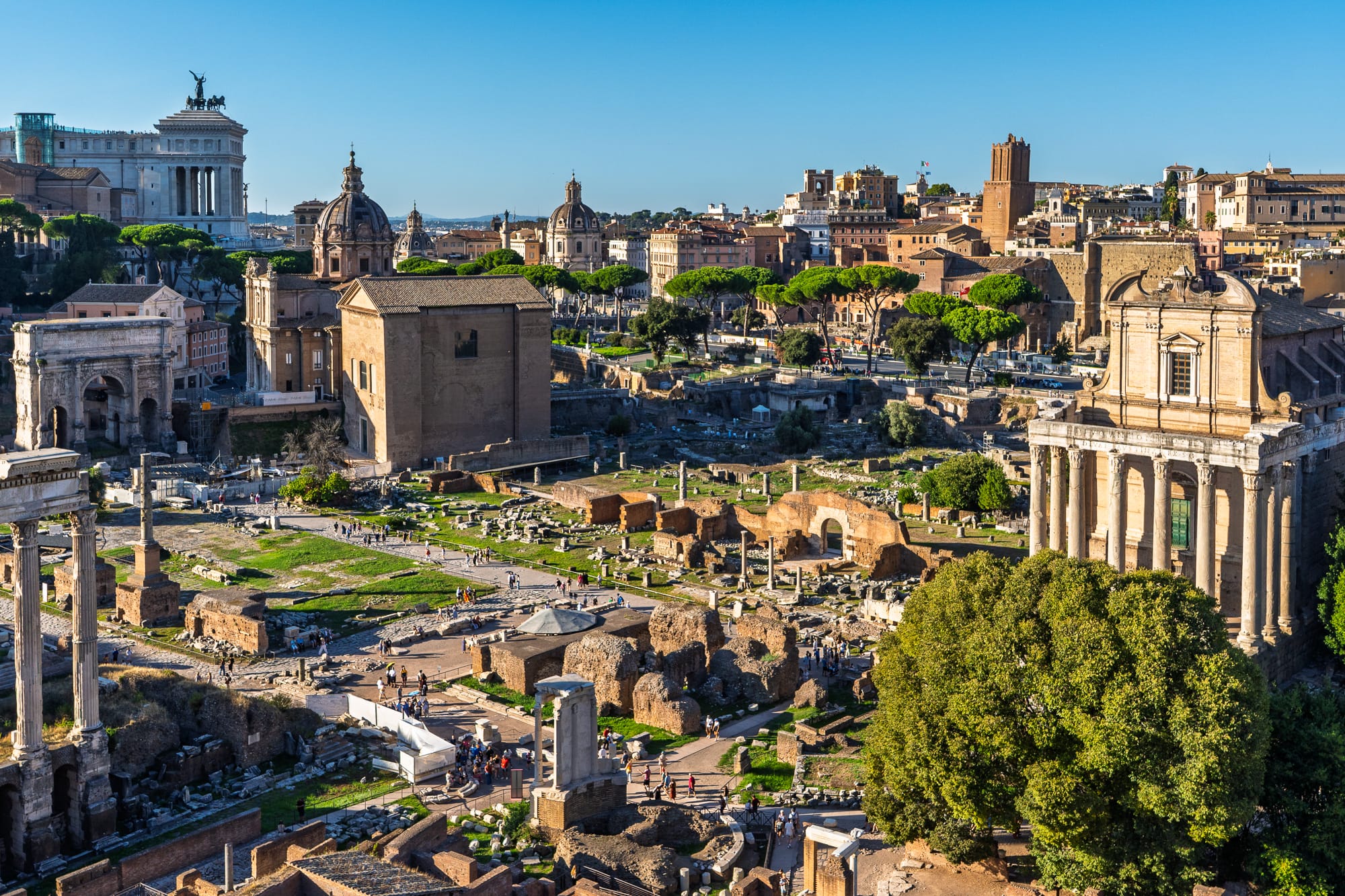
We bought an audio tour which provided a lot of helpful details as we walked around. So much incredible history here.
We previously saw the place where Julius Caesar was killed. Here, we saw the site where Mark Antony delivered his oration (and displayed Caesar's bloody toga), at Caesar's funeral. We also saw the location of the funeral pyre where Caesar was burned.
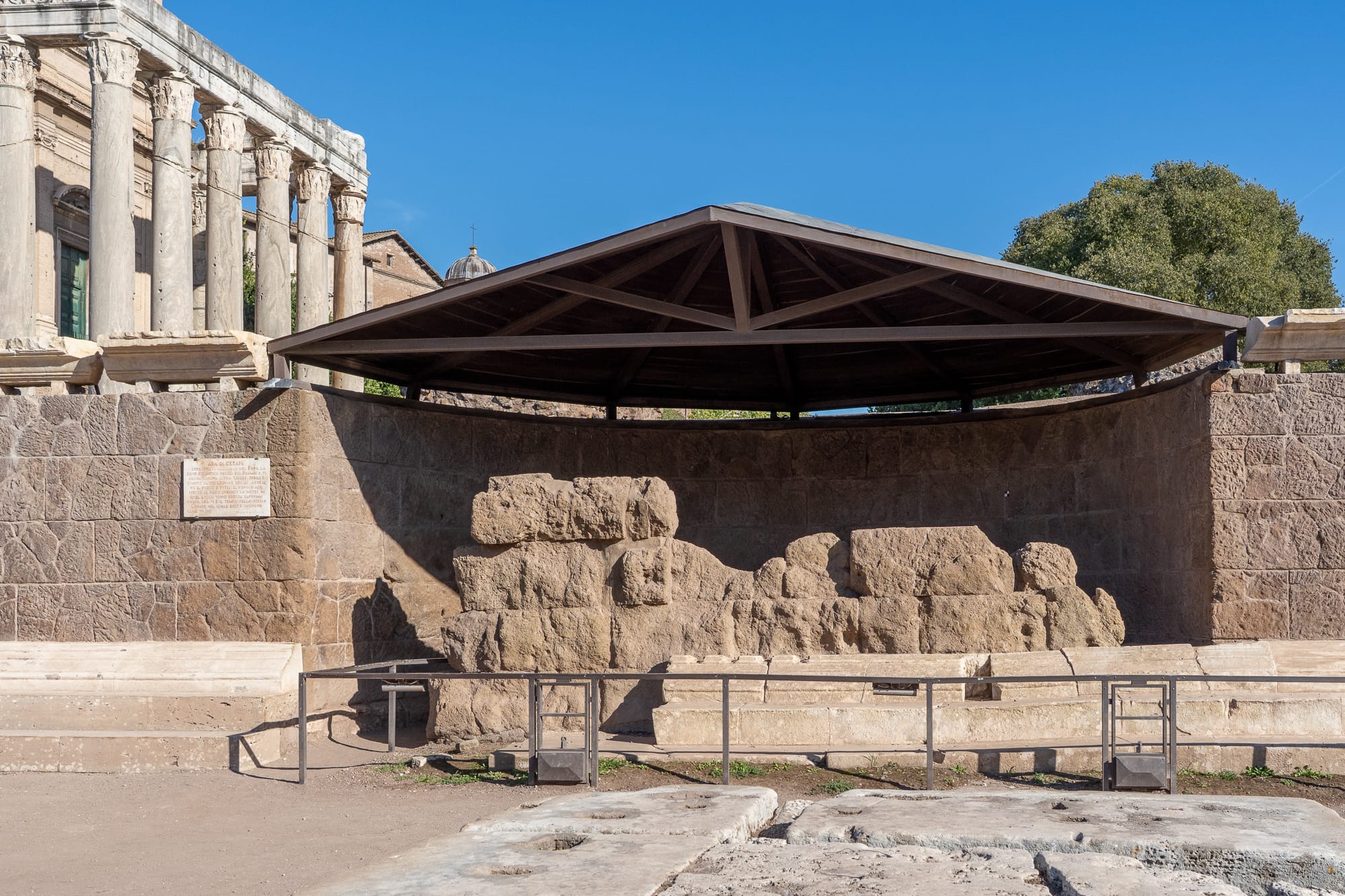
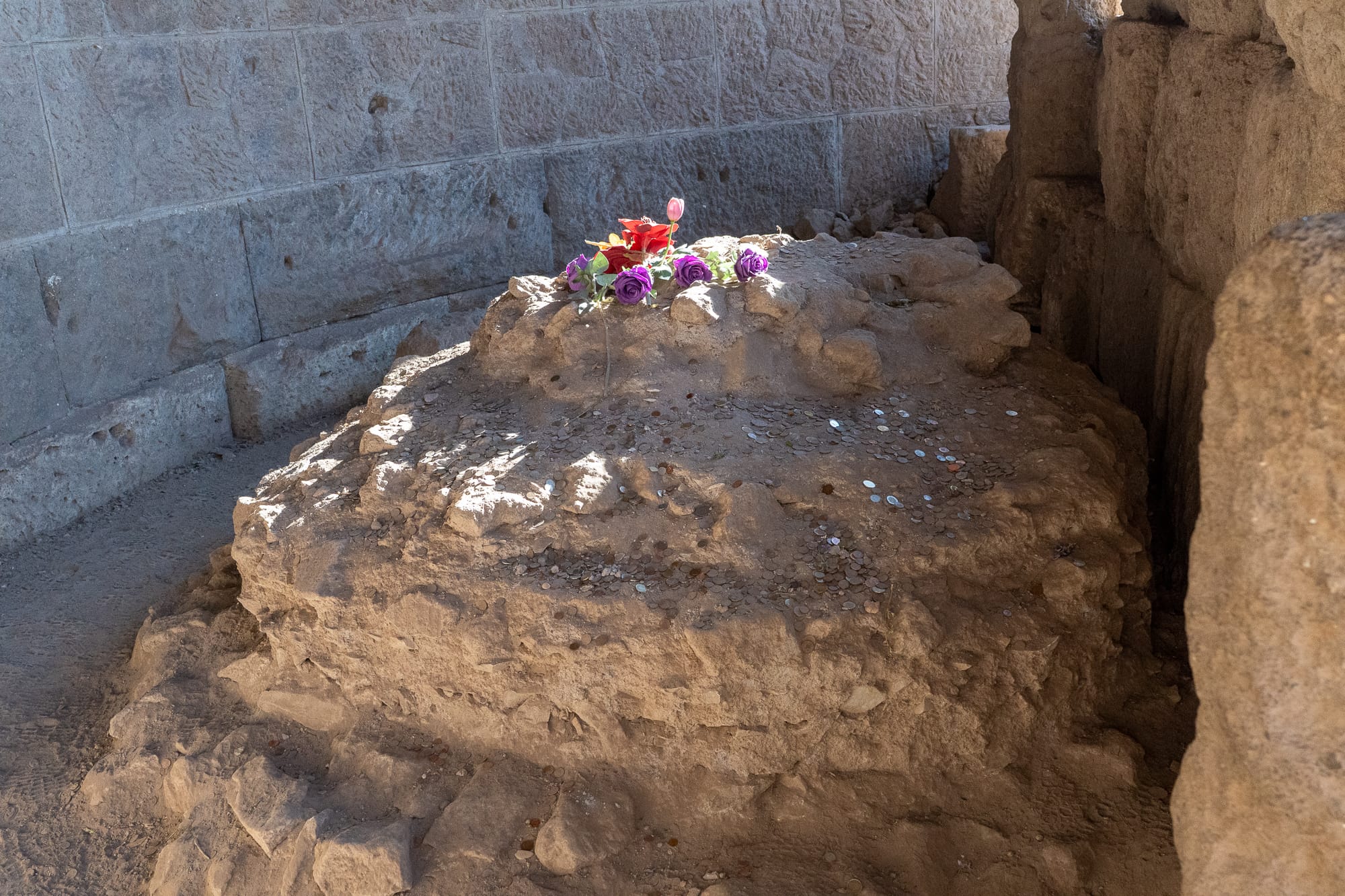
The oldest structure mentioned was Temple of Saturn, probably built ~500 BC.
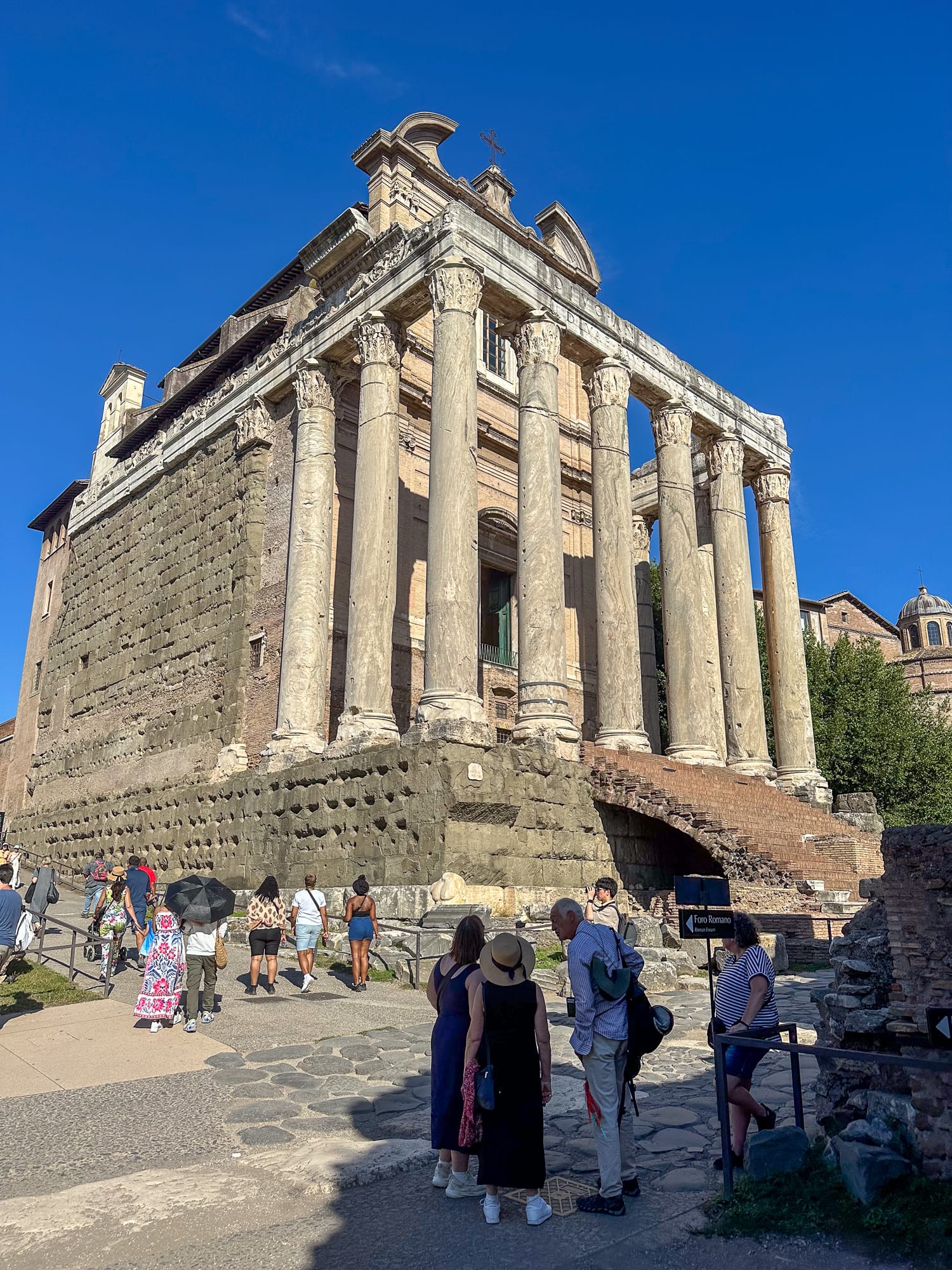
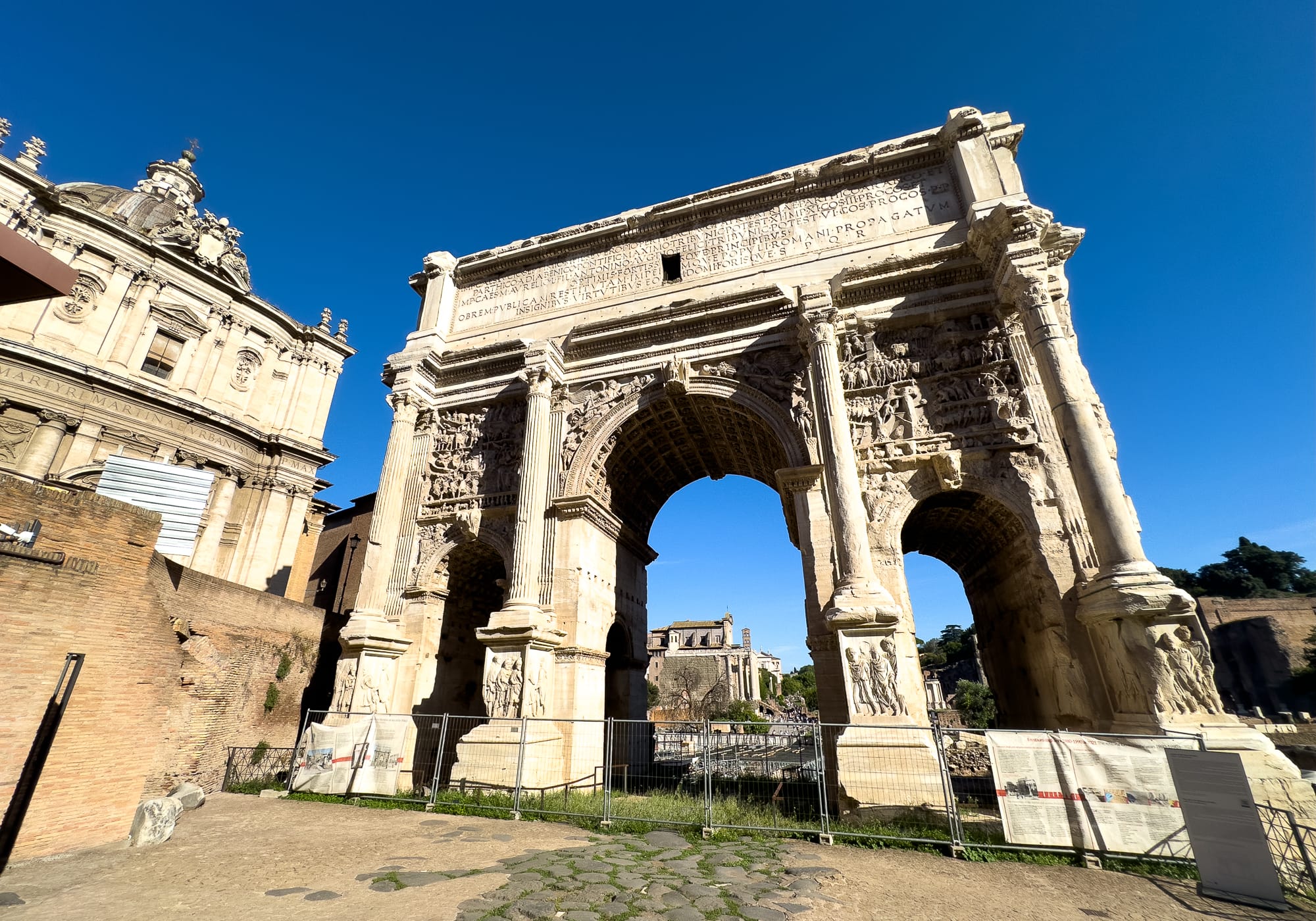
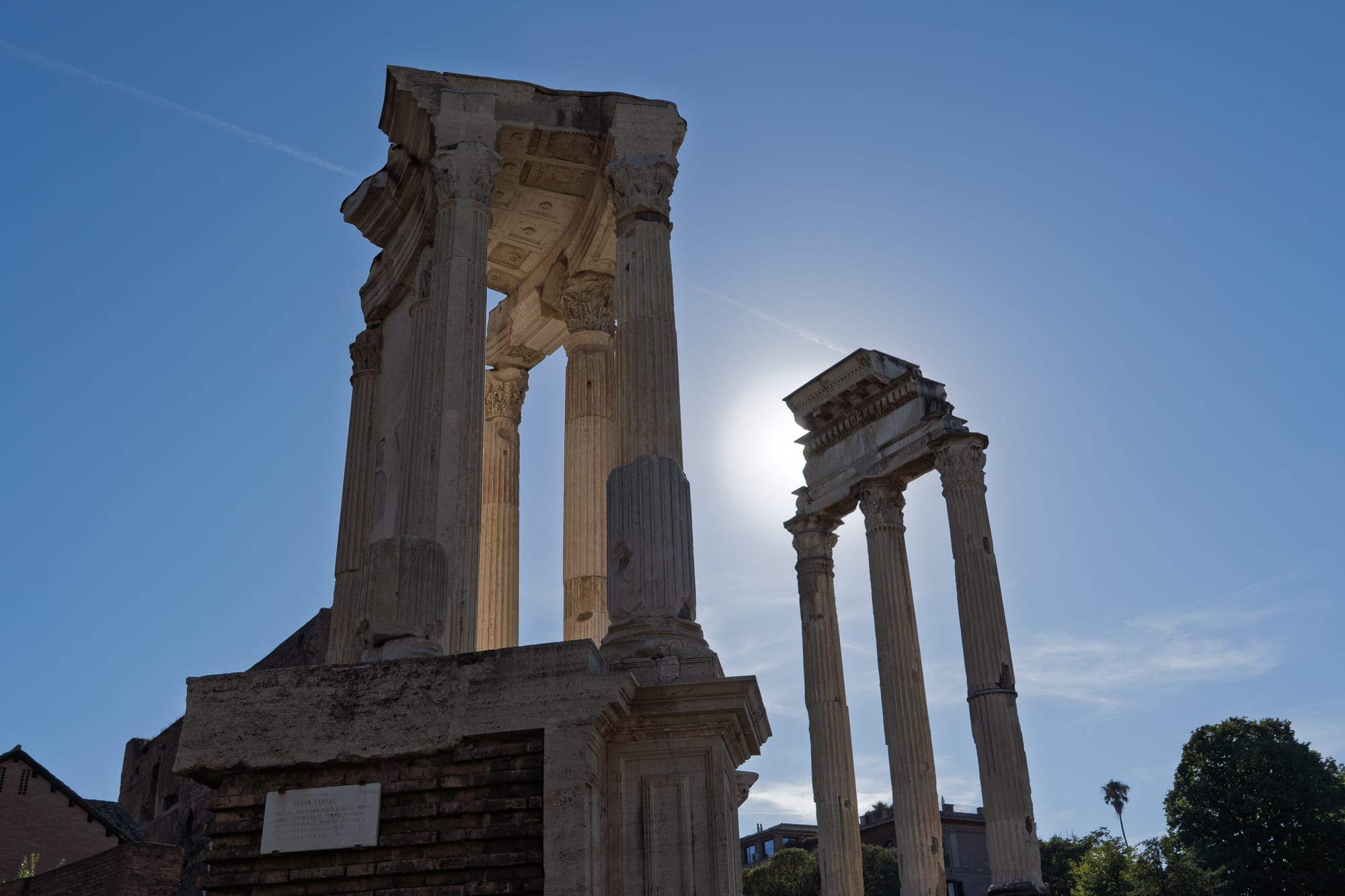
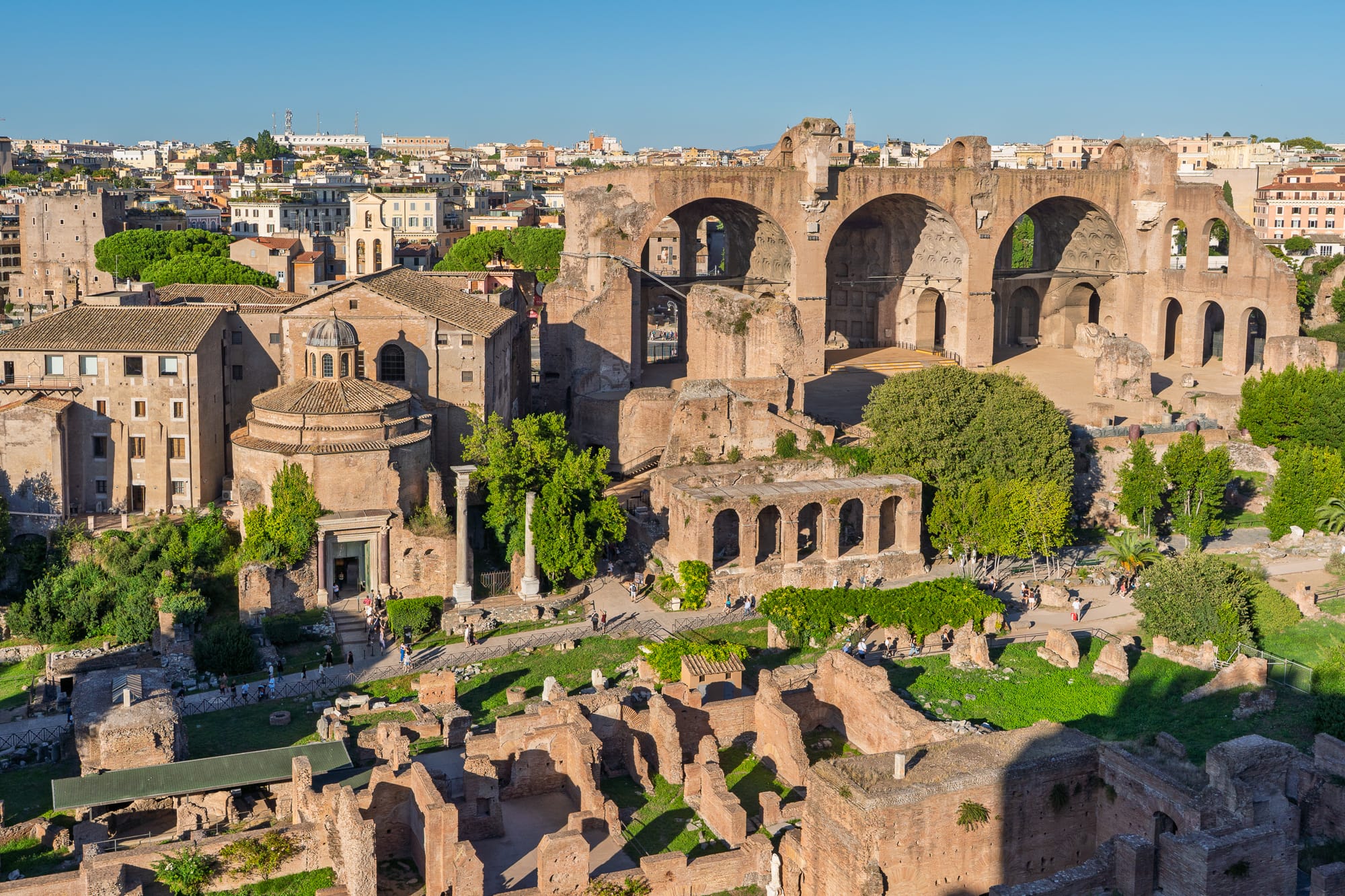
Palatine Hill was the prime residential site for Rome’s emperors, featuring a series of grand imperial palaces and gardens, including those of Augustus, Tiberius, and Domitian. The area overlooks the city and Circus Maximus. As the seat of imperial power, it became a symbol of luxury and authority, and its name, “Palatine” (Latin: Palatium), is the direct source of the English word “palace.”
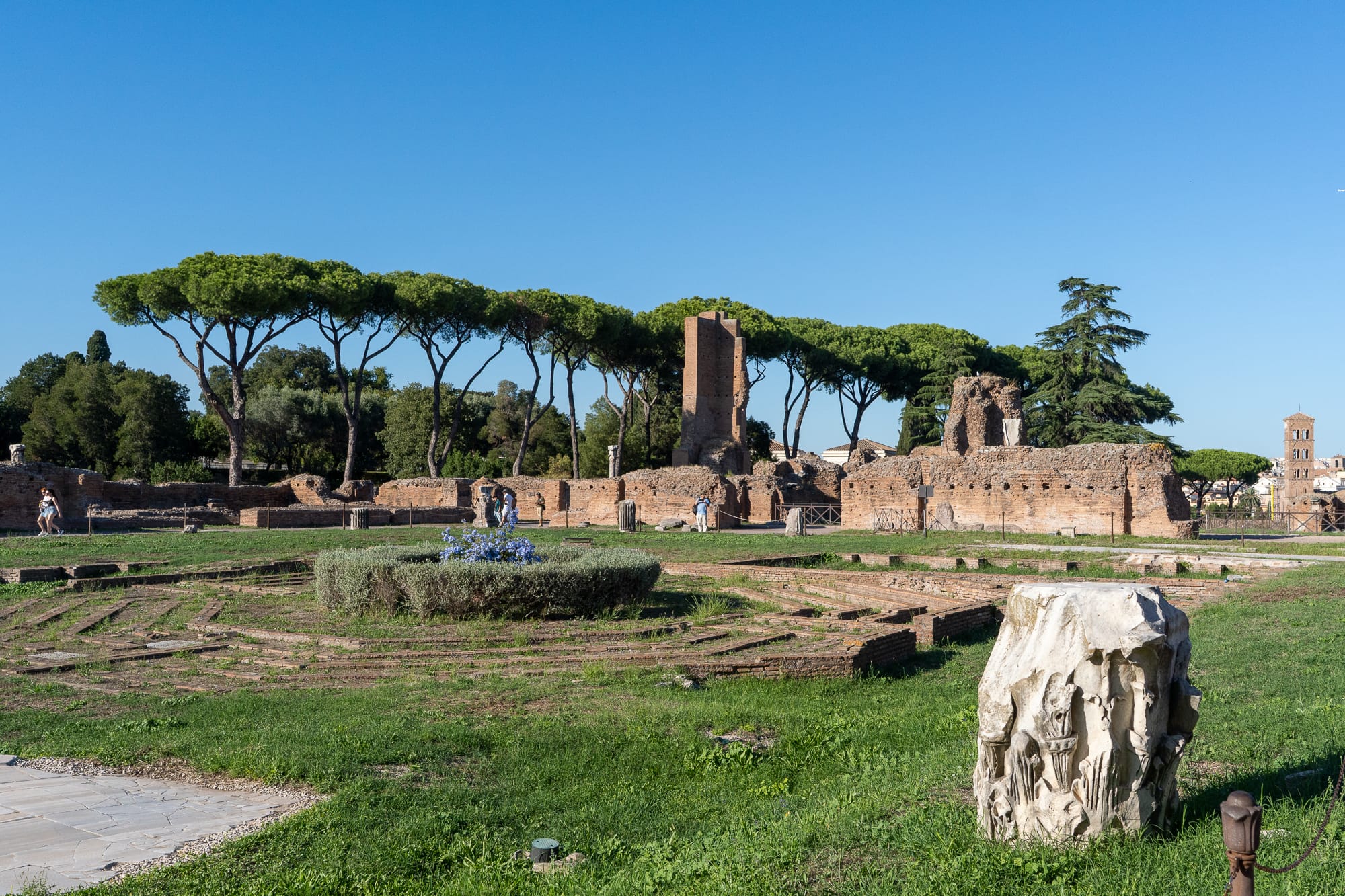
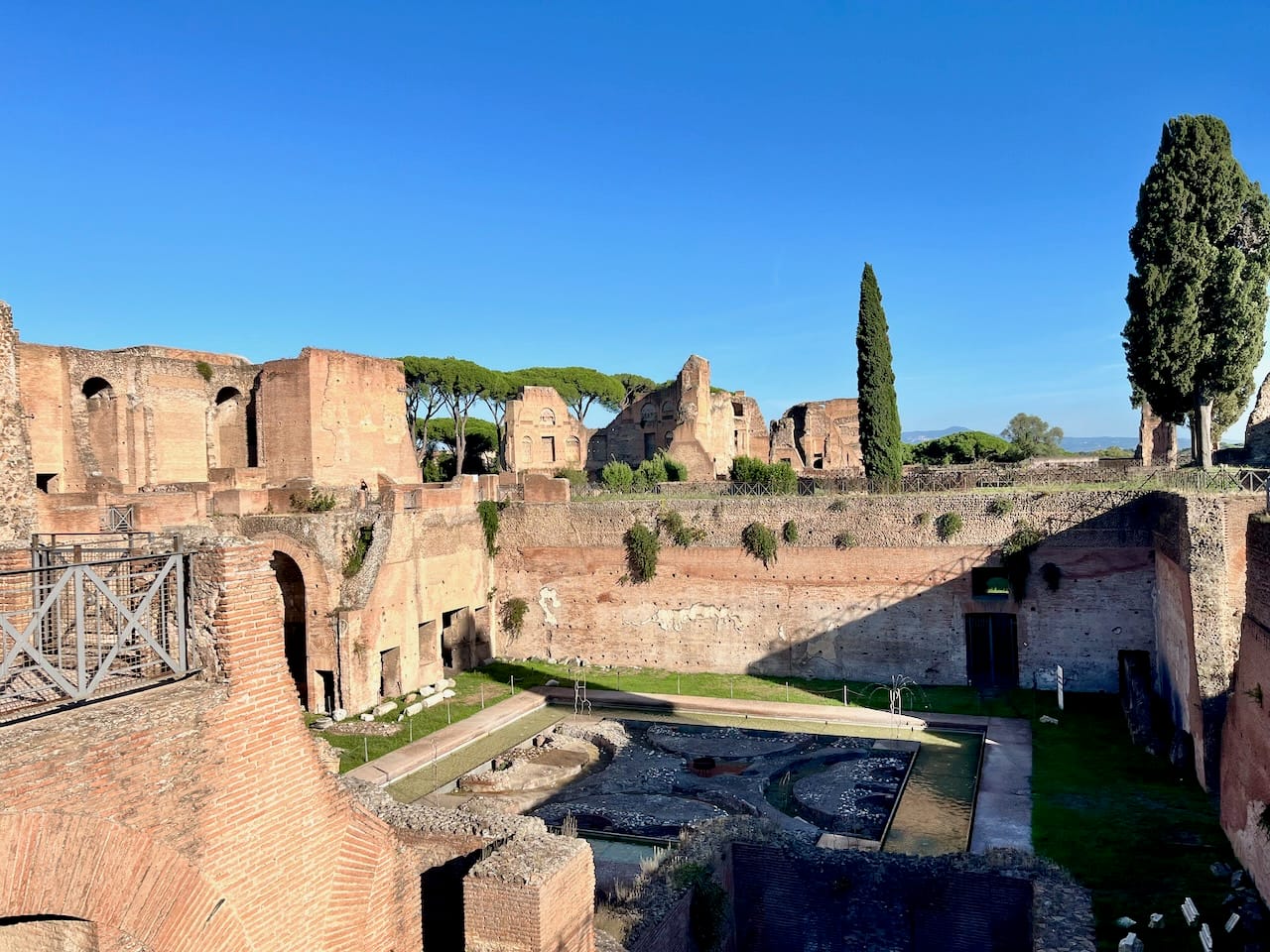
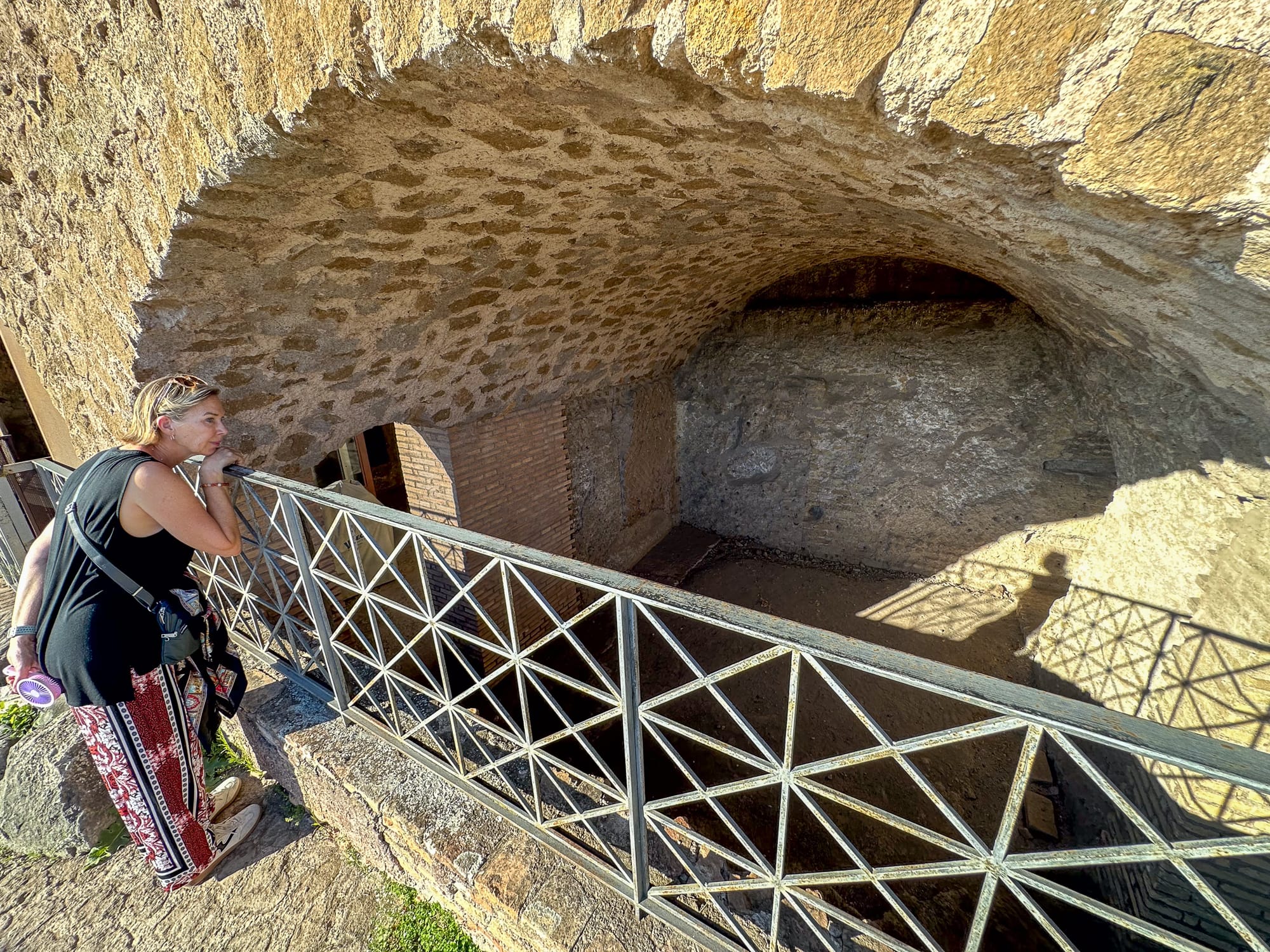
The Forum and the Colosseum were Ronnie's favorite things. Kelley liked the energy of the city and the people.
Over 14 miles of walking today. On our last route home, we stopped for a cool refreshment then went to dinner at our favorite local place, near our lodging. We'll be sad to leave. :(
Train to Sorrento
Sept 19
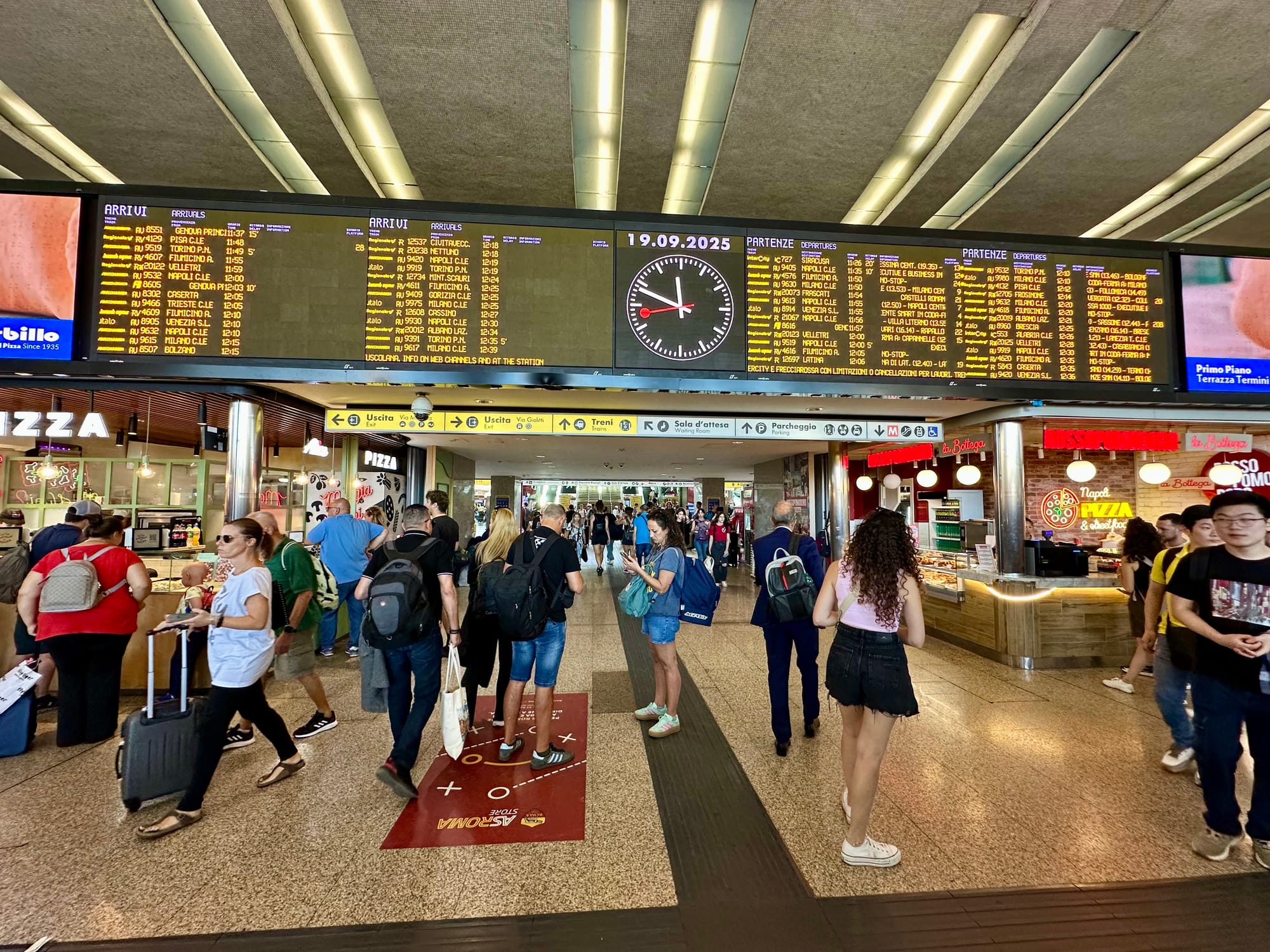
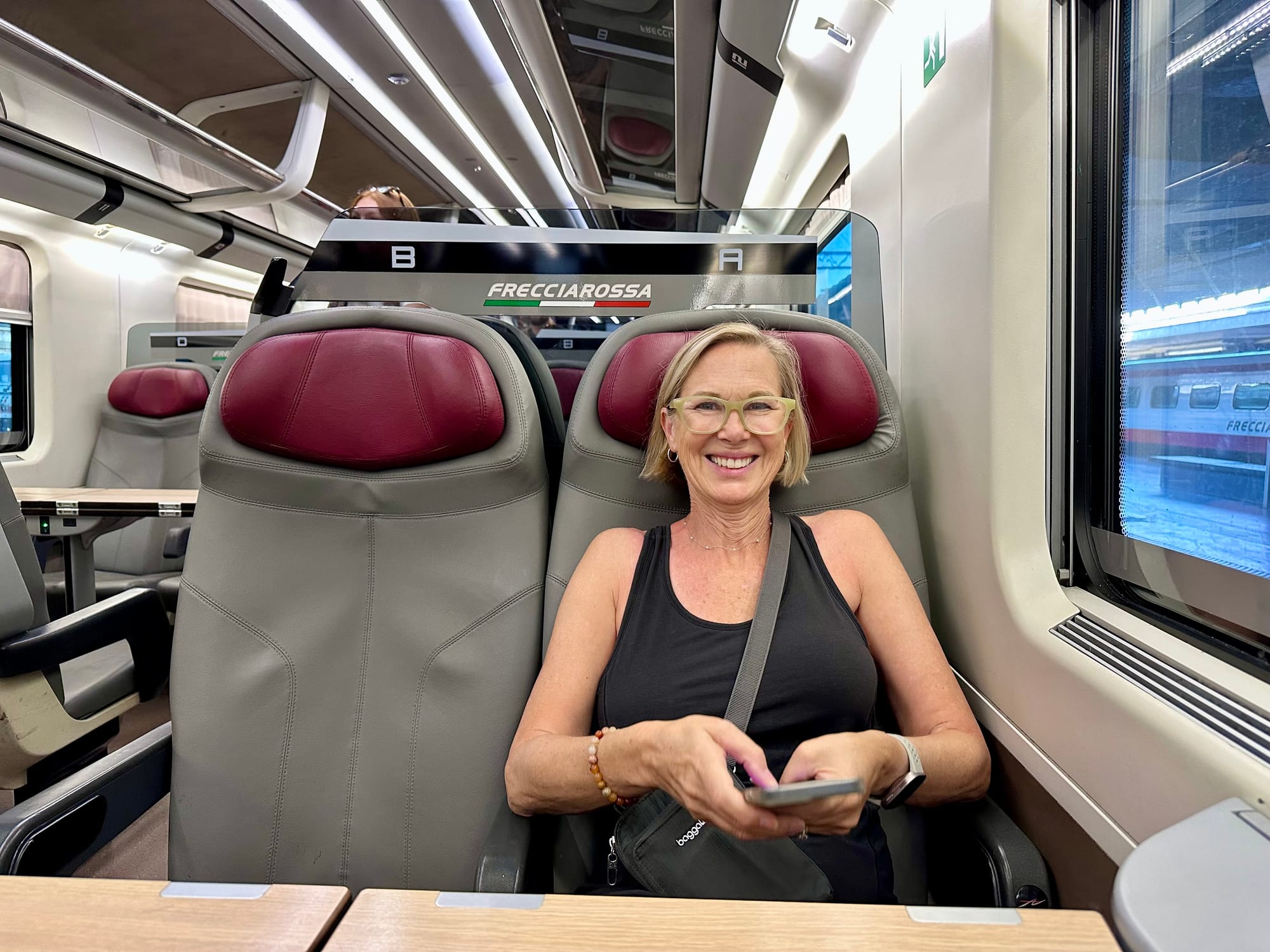
Americano breakfast at a cute outdoor bistro, then took a cab to Roma Termini for a train to Sorrento. The train was late and the reader board wouldn't show us the gate until 5 minutes before boarding! But... we made it.
Next Stop...
 Ronnie